By The Zagosa Team. Published .
Reviewed or updated .
Plenty of British owners assume a healthy spa comes down to clear water alone, but there is a fair bit more to it. Work by the University of Portsmouth points to how hot tubs, managed well, can be good for your wellbeing. With so many myths still doing the rounds about soak times, heat and water care, knowing what actually makes a hot tub clean and genuinely good for you is what keeps it safe and enjoyable.
In This Guide
- What A Healthy Hot Tub Really Means
- Water Care, Hygiene And Chemicals
- Getting Temperature And Soak Time Right
- The Wellbeing Side And When To Check First
- The Common Risks And How To Avoid Them
- UK Standards And HSG282 In Brief
The Main Points
| Point | Details |
|---|---|
| Using It Sensibly | Healthy use means moderation, safe temperatures, and a word with your GP if you have particular health conditions. |
| Water Treatment Matters | Regular testing and balanced chemistry are what keep the water safe and hygienic and head off waterborne illness. |
| Safety Guidelines | Keep sessions to 15-20 minutes and watch for signs of heat-related problems to stay safe. |
| Meeting the Rules | Following UK standards such as HSG282 supports safe management and prevents the health risks of poor water care. |
What a healthy hot tub really means
A healthy hot tub is far more than a nice garden luxury. It is a carefully balanced environment set up to support wellbeing while holding to strict safety standards. University of Portsmouth researchers are looking into the possible health benefits of regular use, especially for older adults, which suggests these tubs may offer more than just a chance to unwind.
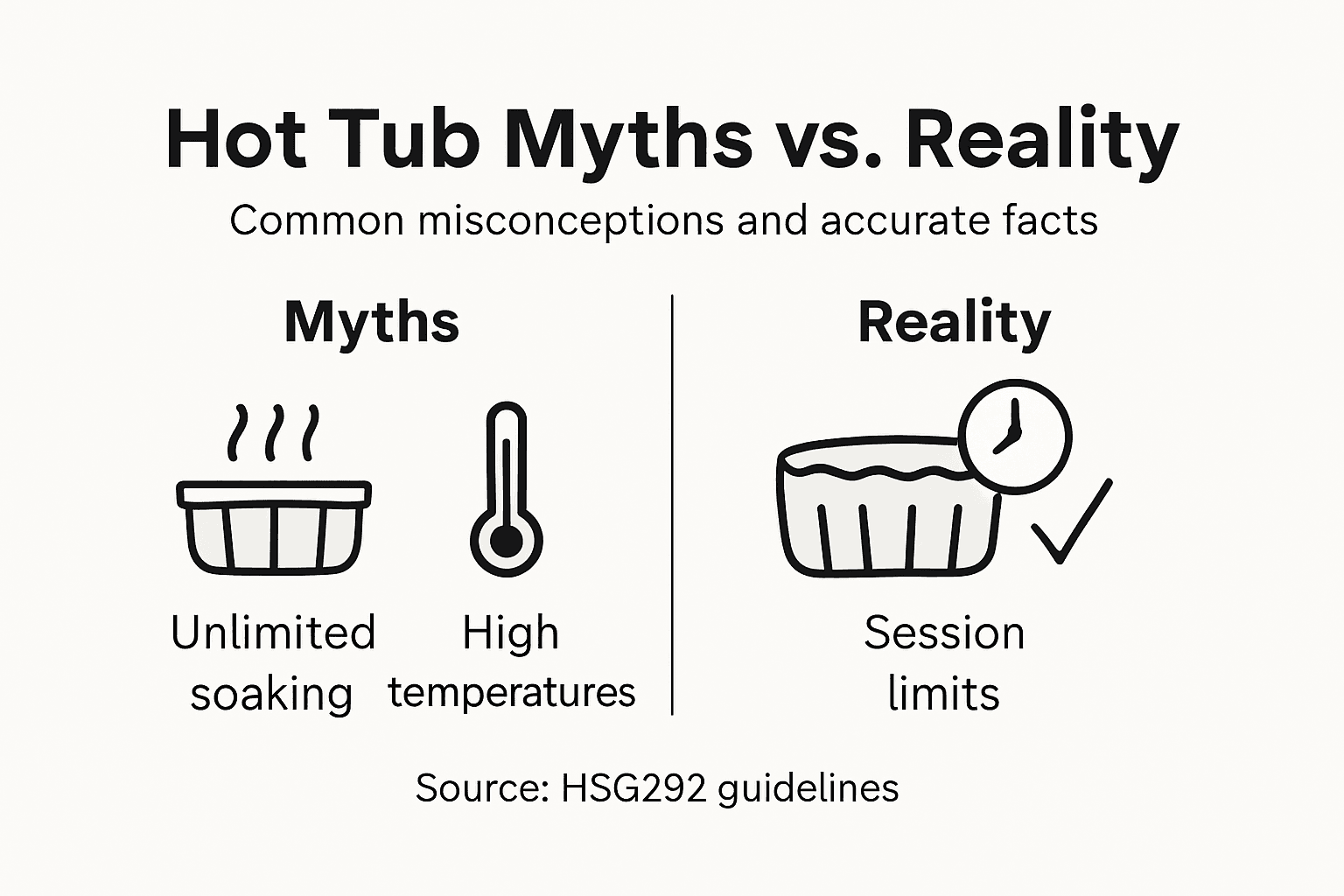
Despite what many think, healthy use is not about endless soaking or cranking up the heat. It is about knowing the conditions that do you good without putting your health at risk. A lot of myths persist about the benefits and dangers, usually built on hearsay rather than evidence. They range from overblown claims of miracle cures to unfounded fears about hidden hazards.
The things that really make for a healthy soak are the right water temperature, well-balanced chemistry, good hygiene and an honest sense of your own limits. For example, anyone with a heart condition or who is pregnant should speak to a healthcare professional before using a tub regularly. The idea is to build a relaxing, supportive environment that puts your safety first.
The table below sets out the main myths against the facts on hot tub health and use:
| Common Myth | Reality | Why It Matters |
|---|---|---|
| Longer soaking is safer | Short sessions are healthiest | Reduces overexposure risks |
| High heat offers more benefit | Moderate heat is optimal | Prevents heat stress and exhaustion |
| All users can use hot tubs safely | Some medical conditions require caution | Protects vulnerable individuals |
| Hot tubs do not require frequent care | Regular testing and treatment vital | Ensures hygienic, safe environment |
Pro tip: Always test water temperature and chemical levels before entering your hot tub, and limit initial sessions to 15-20 minutes to allow your body to adjust gradually.
Water care, hygiene and chemicals
Good water treatment is the bedrock of a safe, hygienic tub. Control of Substances Hazardous to Health regulations set out proper risk-management steps for handling chemicals, which protects users and keeps the water in good order. They ask operators to take a systematic approach that goes well beyond a quick clean.
Effective care is a multi-step routine covering chemistry and hygiene. That means regularly testing pH, sanitiser levels and total dissolved solids. The essentials are holding the right chlorine or bromine level, balancing alkalinity and keeping bacteria from taking hold. Waterborne disease prevention protocols stress how important steady monitoring and precise treatment are for clearing out health risks.
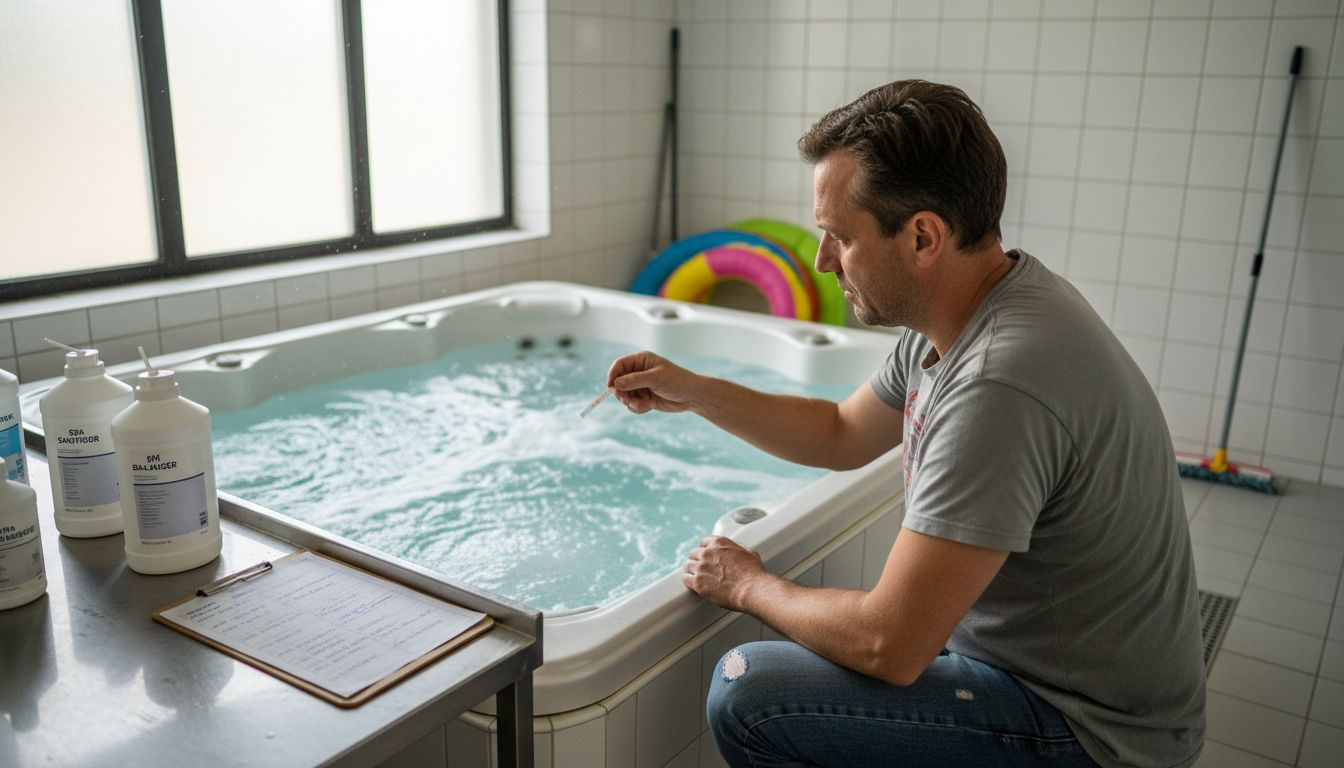
Good practice pulls together a few techniques: shock treatments to clear contaminants, a reliable testing kit, an understanding of how the chemistry interacts, and a regular cleaning schedule. Owners should also keep an eye on water hardness, mineral content and any environmental contaminants that could spoil water quality and put users at risk.
Pro tip: Invest in a comprehensive water testing kit and establish a weekly maintenance routine to ensure consistent water quality and chemical balance.
Getting temperature and soak time right
Managing the heat is central to safe use, and heat-related health risks need watching carefully. A good working range is usually 37 to 40 degrees Celsius, which balances comfort and safety for most healthy adults. Knowing your own tolerance and any health conditions really matters when you settle on a temperature.
The guidance is to keep a continuous session to 15 to 20 minutes, with extra thought for particular groups. People who are more vulnerable, such as pregnant women, those with heart conditions and older adults, need tighter temperature control and safety measures. The key things are keeping track of how warm you feel, staying hydrated and spotting the early signs of heat exhaustion or discomfort.
In practice this means knowing your limits, easing in gradually and staying aware while you soak. Fit a reliable thermometer, set clear rules for use and make sure the space is well ventilated. It also helps to have someone around for longer sessions, keep emergency contact details nearby and take a structured approach to noticing how your body responds to the heat.
Pro tip: Install a waterproof timer near your hot tub to track session duration and remind yourself to take regular breaks and hydration intervals.
The wellbeing side and when to check first
Research into the possible benefits points to some encouraging uses for different groups. Regular soaks may bring real physical advantages, such as looser muscles, better circulation and less tension. Those go beyond simple relaxation and may support heart health and offer a gentle, low-impact option for people with limited mobility.
Medical caution comes first, though. Anyone with an existing condition such as heart disease, breathing problems or pregnancy should speak to a healthcare professional before making hot tub use part of their routine. Particular reasons to hold off include uncontrolled high blood pressure, serious heart conditions and certain neurological disorders that might react badly to temperature swings or long spells of heat.
The benefits touch several areas: easing stress, helping muscles recover and possibly improving sleep. The mix of warm water, gentle pressure and a controlled setting can make for a genuinely restful experience for body and mind. Even so, it is best treated as something that complements your wider health routine, not a substitute for professional medical care.
Pro tip: Consult with your healthcare provider to develop a personalised hot tub wellness strategy tailored to your specific health profile and medical history.
The common risks and how to avoid them
Using a hot tub carries a handful of health and safety risks that are worth staying on top of. Heat-related health risks call for solid prevention, particularly for more vulnerable people. The main ones are dehydration, heat exhaustion, strain on the heart and exposure to waterborne germs. Knowing about them lets you put the right protections in place and keep the tub safe.
Good prevention rests on methodical hazard spotting and risk control. That covers regular water testing, keeping the chemistry balanced, sound filtration and strict cleaning routines. Specific steps include watching the temperature, capping session length, drinking plenty of water and setting clear rules that account for individual health conditions.
The risks are not only physiological, though. Physical safety matters too: slips, electrical hazards and possible chemical exposure all need care. Fit non-slip surfaces, make sure the electrics are installed properly, keep clear emergency plans and make sure everyone using the tub knows the potential dangers. Good risk management is ongoing, with regular checks, routine equipment care and a shared sense of safety among users.
Pro tip: Create a visible safety checklist near your hot tub that outlines key risk prevention steps, emergency contacts, and recommended usage guidelines.
UK standards and HSG282 in brief
HSG282 is the Health and Safety Executive's definitive guidance for managing hot tub and spa-pool safety in the UK. This framework sets out the key standards for preventing waterborne diseases, Legionella in particular, and gives operators a structured way to manage risk. It applies to both commercial and home settings, laying down a clear routine for water treatment, upkeep and protecting users.
Meeting HSG282 involves several parts, including full risk assessments, careful water quality management and firm monitoring routines. Operators need to put systematic testing in place, covering regular chemistry checks, bacterial screening and maintenance records. This goes beyond simple cleaning, calling for a proactive approach to finding and reducing the health risks that come with hot tub use.
The key parts are precise record-keeping, staff training and ongoing risk review. Operators should keep detailed records of water tests, chemical treatments, equipment servicing and any incidents or corrective steps. The standards highlight how much local factors matter, such as how many people use the tub, the water temperature and possible sources of contamination. Falling short can bring serious legal and health consequences, so careful adherence really counts for responsible management.
This summary sets out the main UK compliance measures for safe management:
| Standard | Core Requirement | Impact on Safety |
|---|---|---|
| HSG282 | Routine water testing | Prevents disease risk |
| COSHH | Chemical risk assessment | Minimises exposure hazards |
| Staff Training | Safety and operation education | Ensures correct procedures |
| Maintenance Logs | Detailed records and audits | Aids accountability and response |
Pro tip: Create a dedicated compliance folder with all HSG282 documentation, including weekly water test results, maintenance logs, and risk assessment records to demonstrate systematic safety management.
Lift Your Hot Tub Wellbeing with Zagosa Spa & Pool
Keeping a healthy hot tub is what lets you enjoy all its benefits safely. As we have covered, managing water treatment, chemical balance and temperature is central to avoiding health risks and getting the most out of your soak. Zagosa Spa & Pool understands these challenges and offers a full range of quality water treatment products made to keep your tub clean and safe every time.

Take charge of your hot tub care today with Zagosa's trusted solutions. Whether you need particular hot tub chemicals or tools to keep your water spot on, our products help you meet standards like HSG282 and COSHH without the fuss. Visit Zagosa Spa & Pool to browse the full range. Never cut corners on safety or wellbeing, build your ideal soak with Zagosa's water treatment options and relax with real peace of mind.
Frequently Asked Questions
What are the benefits of using a hot tub?
Regular use may bring several benefits, including looser muscles, better circulation, less stress and possibly better sleep. It is best treated as a complement to professional medical care rather than a replacement for it.
How do I keep my hot tub water safe?
Test the pH, sanitiser level and total dissolved solids regularly. Stick to a steady routine of treatment and cleaning to keep the water quality high.
What temperature should a hot tub be?
A good range is usually 37 to 40 degrees Celsius. Bear in mind your own tolerance and any health conditions when choosing a temperature that is safe and comfortable for you.
What are the risks of using a hot tub?
The main ones are dehydration, heat exhaustion and exposure to waterborne germs. To keep them in check, cap soak time at 15 to 20 minutes, stay hydrated and watch your water quality and temperature.
Recommended
- Complete Guide to Safe Hot Tub Usage UK - Zagosa Spa & Pool
- How Hot Are Hot Tubs? Understanding Temperature and Comfort - Zagosa Spa & Pool
- The Essential Guide to Hot Tub Safety UK - Zagosa Spa & Pool
- Hot Tub Relaxation Benefits: Complete Guide UK - Zagosa Spa & Pool
- Pool Heater Repair - Lucas Air Conditioning and Heating