By The Zagosa Team. Published .
Reviewed or updated .
A soak in warm, moving water does more than feel nice at the end of a long day. Some studies suggest regular use can lift sleep quality by around 10 percent, and for many people it is the easiest way to ease tense shoulders and a busy head. In this guide we look at how heat, buoyancy and gentle massage work together, and how to get the most from your tub.
On This Page
- What Hot Tub Relaxation Really Offers
- The Benefits for Body and Mind
- Hot Tub Styles and How They Help You Unwind
- How to Use Your Hot Tub Safely and Well
- Risks, Myths and UK Safety Rules
The Short Version
| Point | Details |
|---|---|
| Holistic Wellness Tool | Hot tubs provide significant physical and mental health benefits, enhancing relaxation and overall well-being through hydrotherapy. |
| Mental and Physical Health Benefits | Regular use promotes stress reduction, improved sleep patterns, muscle recovery, and better cardiovascular circulation. |
| Variety of Options | Different types of hot tubs cater to specific needs and preferences, impacting relaxation experiences and wellness outcomes. |
| Safety and Maintenance Practices | Proper installation, regular cleaning, and water quality monitoring are essential to ensure safe hot tub usage and prevent health risks. |
What Hot Tub Relaxation Really Offers
A hot tub represents far more than just a luxurious water experience. It's a holistic wellness tool that combines therapeutic warmth, water pressure, and strategic design to deliver thorough physical and mental health benefits. Hot tub relaxation transcends simple enjoyment, offering scientifically supported methods for reducing stress, improving circulation, and promoting overall well-being.
Hydrotherapy, the core principle behind hot tub relaxation, involves strategically using water's unique properties to enhance health. According to uhd, hydrotherapy fundamentally involves moving and exercising in water, leveraging warmth and buoyancy to support physical and mental wellness. The heated water creates a supportive environment where muscles can relax, tension can dissipate, and the body can experience profound therapeutic effects.
Beyond general relaxation, hot tubs offer specific health advantages that make them more than just a recreational tool. Emerging medical research highlights their potential therapeutic applications. Port University revealed promising findings about hot tub therapy, demonstrating its potential to improve insulin effectiveness, support heart health, and help lower blood pressure for individuals with type 2 diabetes.
Key relaxation benefits of hot tubs include:
- Muscle tension reduction
- Stress hormone regulation
- Improved sleep quality
- Enhanced blood circulation
- Mental health support through relaxation
Whether you're seeking physical recovery, stress relief, or a holistic wellness experience, hot tub accessories can elevate your relaxation journey. Understanding these multifaceted benefits transforms a hot tub from a simple luxury into a powerful wellness tool.
The Benefits for Body and Mind
A hot tub transcends mere relaxation, offering profound mental and physical health benefits that extend far beyond simple enjoyment. These therapeutic water environments provide a thorough approach to wellness, combining targeted hydrotherapy techniques with natural stress reduction mechanisms. By creating a holistic healing space, hot tubs offer individuals a powerful tool for thorough health management.
Research highlights significant mental health advantages associated with regular hot tub use. According to British Sauna Society, consistent thermal therapy sessions are linked with improved mental well-being, reduced stress levels, and enhanced sleep quality. The warm water environment triggers a cascade of physiological responses that help regulate stress hormones, promote relaxation, and support mental clarity.
Aston University provides further insights into the physical health benefits, noting that thermal therapy sessions can facilitate muscle relaxation, accelerate post-workout recovery, and effectively reduce stress levels. These therapeutic advantages stem from the unique combination of heat, water pressure, and buoyancy that creates a supportive environment for physical healing and muscular recovery.

Key mental and physical health benefits include:
- Stress hormone reduction
- Enhanced muscle recovery
- Improved sleep patterns
- Better cardiovascular circulation
- Increased mental relaxation
- Pain management support
By integrating strategic hot tub accessories, users can further amplify these health benefits, transforming their hot tub from a simple leisure item into a thorough wellness platform. Understanding and leveraging these multifaceted advantages can significantly improve overall quality of life.
Hot Tub Styles and How They Help You Unwind
Hot tubs come in a diverse range of designs, each offering unique relaxation experiences tailored to different preferences and spaces. From compact portable models to luxurious built-in installations, the variety ensures that every individual can find a hot tub that matches their specific wellness and lifestyle needs. Understanding these different types helps consumers make informed decisions about their hydrotherapy investment.
According to Health and Safety Executive, spa-pool systems encompass multiple categories including hot spas, hot tubs, whirlpool spas, and portable spas. Each type presents distinct characteristics and relaxation methods. Portable hot tubs offer flexibility for renters or those with limited space, while built-in models provide a permanent, integrated wellness solution that can significantly enhance outdoor living areas.
Chartered Institute of Plumbing and Heating Engineering emphasizes that while these relaxation methods are beneficial, proper installation and maintenance matter a great deal to prevent potential health risks. The selection process involves considering factors like size, jet configuration, energy efficiency, and intended use.
Popular hot tub types include:
- Inflatable hot tubs (budget-friendly, portable)
- Acrylic shell hot tubs (durable, feature-rich)
- Wooden hot tubs (traditional, aesthetic appeal)
- In-ground hot tubs (permanent, luxurious installation)
- Swim spas (combination of swimming and relaxation)
To optimize your relaxation experience, understanding hot tub temperatures and comfort becomes essential. Each hot tub type offers unique therapeutic benefits, making your selection a personal journey towards improved wellness and relaxation.

Here's a comparison of popular hot tub types and their key relaxation features:
| Hot Tub Type | Key Benefits | Ideal For |
|---|---|---|
| Inflatable | Portable Budget-friendly |
Renters Small gardens |
| Acrylic shell | Durable Feature-rich |
Families Year-round use |
| Wooden | Traditional Aesthetic appeal |
Rustic settings Design lovers |
| In-ground | Permanent Luxurious |
Homeowners Outdoor spaces |
| Swim spa | Exercise & relaxation Spacious |
Fitness enthusiasts Rehabilitation |
How to Use Your Hot Tub Safely and Well
Hot tub safety requires a thorough approach that balances enjoyment with careful maintenance and responsible usage. Understanding and implementing best practices protects both your health and your investment, ensuring a safe and enjoyable hydrotherapy experience that maximizes the wellness benefits of your hot tub.
Chartered Institute of Plumbing and Heating Engineering emphasizes the critical importance of proper installation, regular cleaning, and consistent chlorination to prevent potential health hazards. These fundamental practices are what count in maintaining a hygienic environment that protects users from harmful bacteria and ensures the longevity of your hot tub system.
According to the Health and Safety Executive, risk assessment and management are paramount for spa-pool systems. Operators and owners must proactively control exposure to infectious agents through systematic maintenance, water quality monitoring, and adherence to recommended safety protocols. This vigilant approach helps mitigate potential health risks associated with communal or personal hot tub use.
Key safety and maintenance best practices include:
- Regular water chemistry testing
- Monthly deep cleaning procedures
- Proper chemical balance maintenance
- Consistent filter replacements
- Temperature regulation (ideally between 37-40°C)
- Limiting session duration to 15-20 minutes
- Showering before and after use
For those seeking to enhance their hot tub experience while maintaining optimal safety, understanding hot tub maintenance checklists can provide thorough guidance for responsible ownership and enjoyment.
Risks, Myths and UK Safety Rules
Hot tub safety involves more than just enjoying warm water. It requires a thorough understanding of potential risks, debunking common misconceptions, and adhering to stringent UK safety standards that protect users from potential health and mechanical hazards.
The Health and Safety Executive highlights that spa-pool systems can become significant sources of dangerous diseases like Legionnaires' disease if not properly maintained. This key insight underscores the importance of rigorous water treatment, regular cleaning, and consistent monitoring of water quality and chemical balance to prevent potentially life-threatening bacterial growth.
UK Government product safety alerts have demonstrated that hot tubs can pose serious risks, including potential burns and injuries from manufacturing defects or improper usage. These recalls emphasize the critical need for consumers to purchase from reputable manufacturers, conduct regular safety inspections, and remain vigilant about product compliance and potential mechanical issues.
Common hot tub safety misconceptions include:
- Chlorine eliminates all bacteria automatically
- Any water temperature is safe for extended use
- Personal hot tubs don't require professional maintenance
- Health conditions don't impact hot tub safety
- All hot tubs meet identical safety standards
To ensure a safe and enjoyable experience, understanding hot tub maintenance checklists becomes crucial for responsible hot tub ownership and user protection.
Get More From Your Hot Tub with Zagosa Spa & Pool
Discover how to transform your hot tub into a sanctuary of relaxation and health with Zagosa Spa & Pool. The article highlights the importance of proper maintenance, water chemistry balance, and safety to fully enjoy the remarkable benefits of hot tub therapy. If you want to reduce stress, improve circulation, and enhance your overall wellness, tackling these challenges is key. Zagosa Spa & Pool offers expertly formulated water treatment products that support clean, safe, and invigorating hot tub experiences.
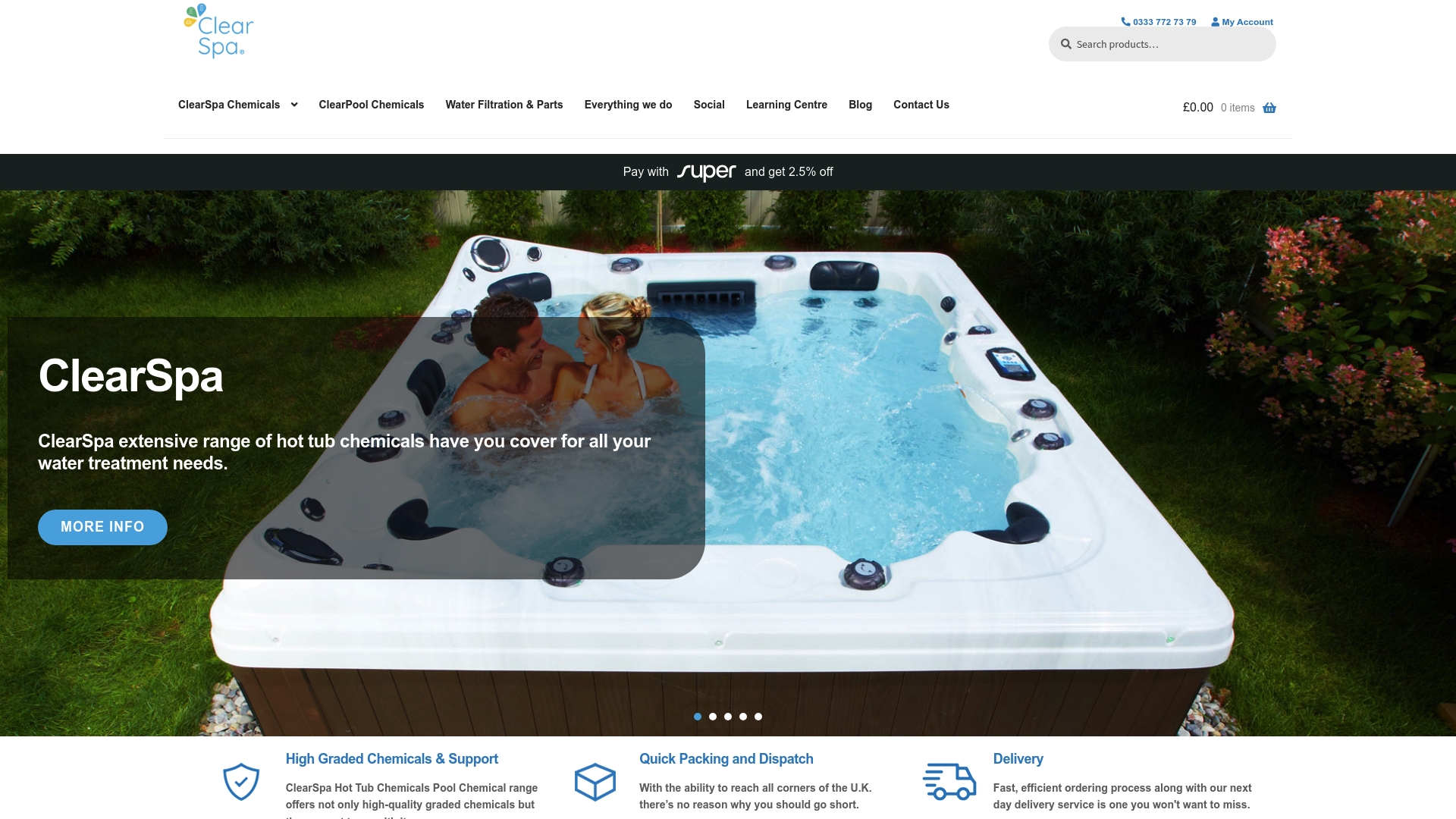
Take control of your hot tub's health maintenance today. With Zagosa Spa & Pool, your path to effortless water care is supported by trusted products designed to protect your investment and maximise your relaxation benefits. Explore our full range of hot tub chemicals and spa essentials at Zagosa Spa & Pool and discover how easy it is to keep your water pure and inviting. Don't wait to unlock the full potential of your hot tub wellbeing - visit us now and enjoy a safer, more rejuvenating soak.
Common Questions Answered
What are the main relaxation benefits of using a hot tub?
Hot tubs provide numerous relaxation benefits, including muscle tension reduction, stress hormone regulation, improved sleep quality, enhanced blood circulation, and mental health support through relaxation.
How does hydrotherapy work in a hot tub?
Hydrotherapy uses water's unique properties, including warmth and buoyancy, to support physical and mental wellness. The heated water creates an environment where muscles relax and tension dissipates, promoting overall therapeutic effects.
What types of hot tubs are available and how do they differ in benefits?
Popular types of hot tubs include inflatable hot tubs (portable and budget-friendly), acrylic shell hot tubs (durable and feature-rich), wooden hot tubs (traditional and aesthetically pleasing), in-ground hot tubs (permanent and luxurious), and swim spas (combining exercise and relaxation). Each type offers unique therapeutic benefits suited to different preferences and usage situations.
What are the best practices for maintaining safe and effective hot tub use?
Key best practices for hot tub maintenance include regular water chemistry testing, monthly deep cleaning, proper chemical balance, consistent filter replacements, temperature regulation (ideal between 37-40°C), and limiting session duration to 15-20 minutes to ensure user safety and enjoyment.