By The Zagosa Team. Published .
Reviewed or updated .
A lot of UK spa owners let proper water replacement slip, putting both their health and their equipment at risk. For anyone with a hot tub or spa in the UK, skipping regular water changes can lead to quick bacterial growth and even dangerous pathogens. This guide explains why spa water replacement matters, flags the hidden risks and offers practical tips for a safe, hygienic soak.
Table of Contents
- What Is Spa Water Replacement?
- How Often Should Spa Water Be Changed?
- Risks of Not Replacing Spa Water
- Steps for Effective Water Replacement
- Choosing the Right Products for UK Spas
Key Takeaways
| Point | Details |
|---|---|
| Importance of Water Replacement | Changing the water every 3 to 4 months is key to hygiene and heading off health risks from bacteria. |
| Risks of Stagnation | Leaving the water can lead to harmful bacterial growth, including Legionella, and possible equipment damage. |
| Effective Replacement Steps | The full process is draining, cleaning, inspecting, refilling and balancing the chemicals for safety and performance. |
| Choosing Products Wisely | Pick treatment products that suit your spa's materials and meet UK rules for effective care. |
What Is Spa Water Replacement?
Spa water replacement is a key bit of care that means fully draining and refilling your tub to keep it hygienic and running well. It goes beyond simply topping the water up, needing a methodical approach to keeping the water quality up and heading off potential health risks.
At heart it means removing all the existing water and replacing it with fresh. This is not just about looking clean, it is a key way of protecting your health. According to guidance from the Chartered Institute of Plumbing and Heating Engineering, regular replacement helps prevent bacterial growth, especially dangerous microorganisms like Legionella that thrive in warm, stagnant water. These bacteria carry real health risks and can multiply fast if the water is not managed properly.
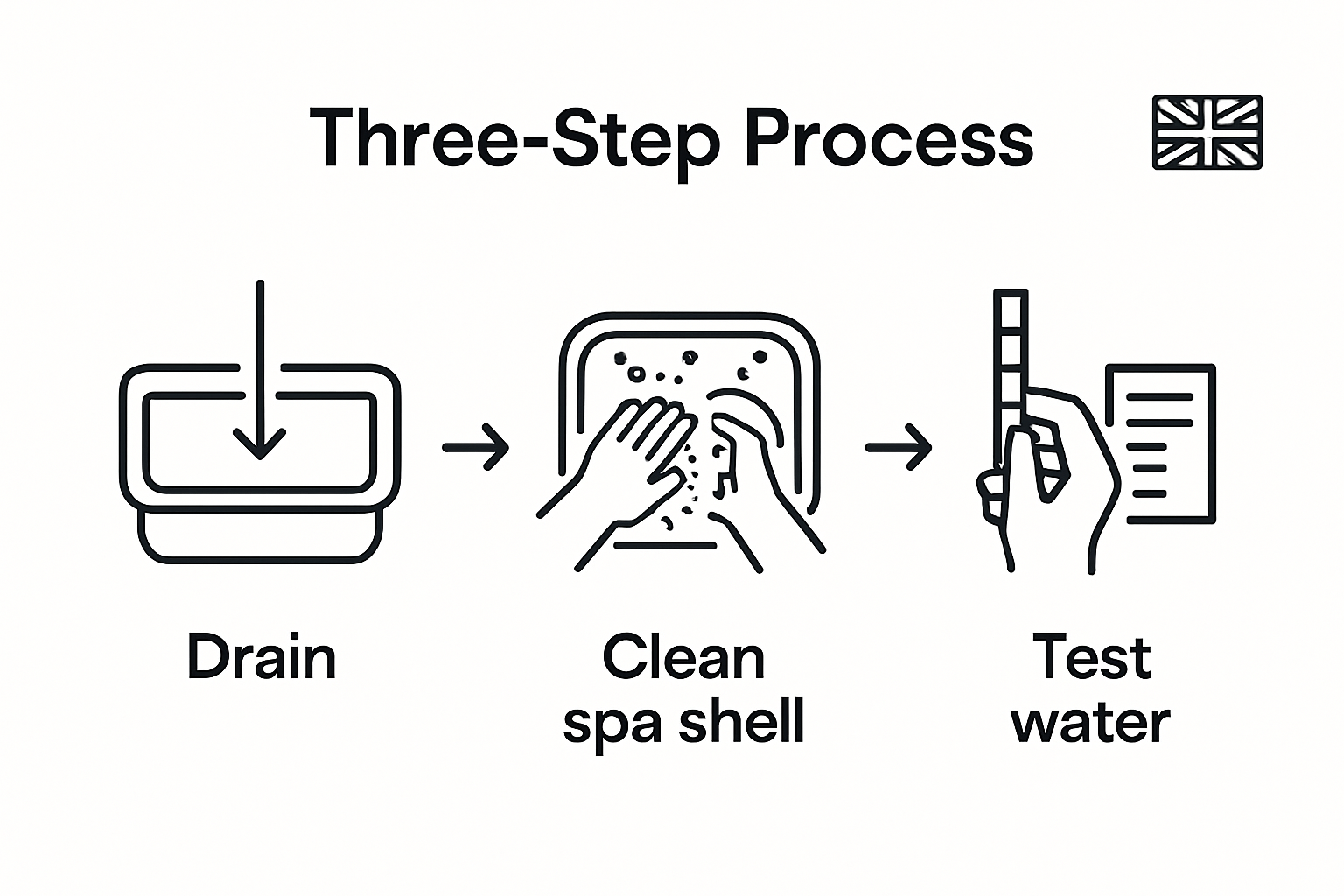
As a rule, spa water should be replaced every 3 to 4 months, depending on how much the tub is used and how it is cared for. The job involves several key steps:
- Fully draining the existing water
- Cleaning the spa shell thoroughly
- Checking and cleaning the filters
- Refilling with fresh water
- Rebalancing the chemicals
It might seem a simple job, but good water management makes a real difference to how long your spa lasts and how safe and enjoyable it is for everyone.
How Often Should Spa Water Be Changed?
How often you change the water depends on a few key things, including how hard the tub is used, how many people use it and how it is cared for. General advice suggests every 3 to 4 months, but good water care guidance shows a more tailored approach is often needed.
For commercial or shared spas, the standards are stricter. Local council guidance recommends more frequent changes, with some authorities suggesting a weekly change or one after each group. The UK Health and Safety Executive stresses that water quality should be tracked through total dissolved solids (TDS) levels, which are a key sign of when a change becomes essential.
The main things that affect how often you change the water include:
- The number of users
- How often it is used
- Users' personal hygiene
- The surroundings
- How the water is treated
For home owners, a sensible approach is to watch the water quality with regular testing and care. You might need to change it sooner if you notice:
- Cloudy or discoloured water
- A persistent chemical imbalance
- Unusual smells
- Visible debris or contaminants
Good water management can help the water last longer and keep the soak safe and hygienic, but a routine change is still a non-negotiable part of responsible spa ownership.
Risks of Not Replacing Spa Water
Neglecting to change the water can create a breeding ground for dangerous microorganisms and health hazards. Balancing the water gets harder and harder as contaminants build up, posing real risks to health and to how well the equipment works.
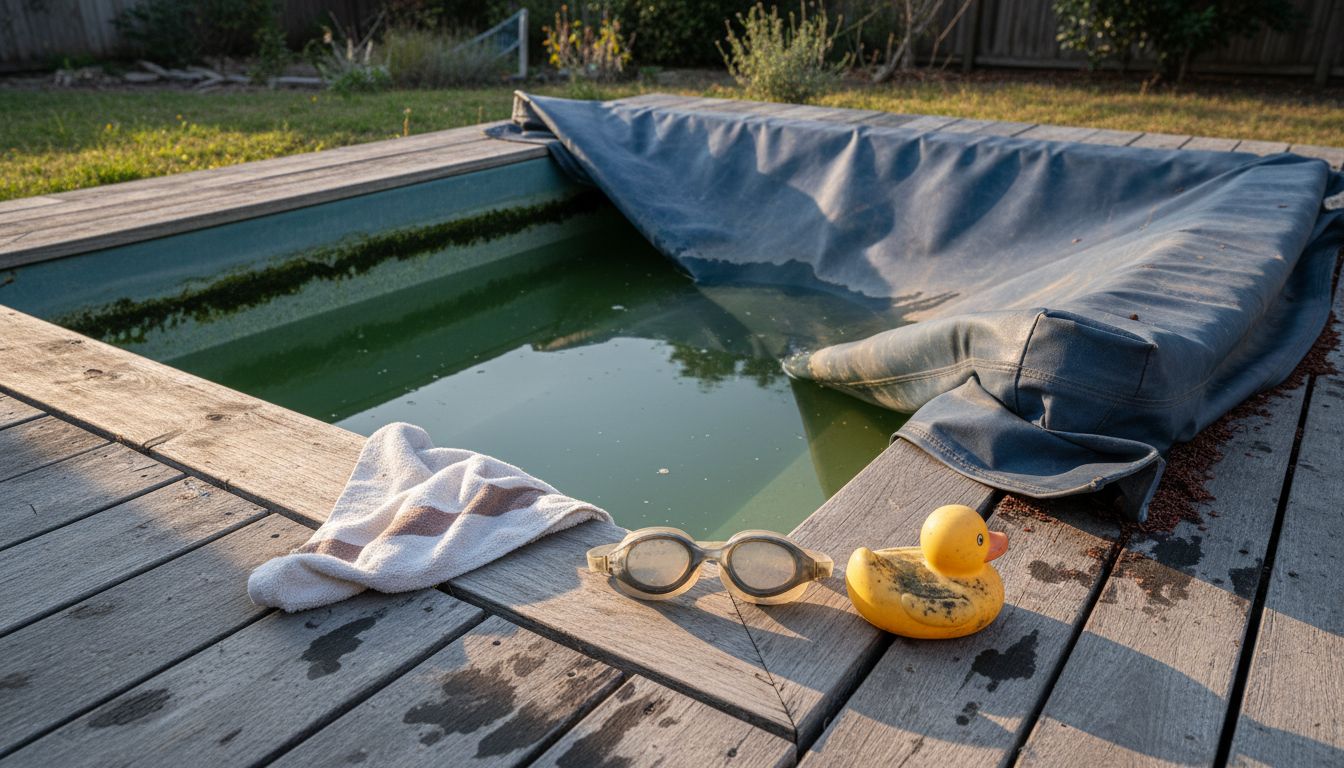
The biggest worry is bacteria multiplying. The Chartered Institute of Plumbing and Heating Engineering warns that stagnant spa water can become a dangerous reservoir for Legionella bacteria, which cause Legionnaires' disease. These harmful microorganisms multiply fast in warm, still water, creating serious respiratory risks for anyone who breathes in contaminated water droplets.
Several health and safety risks come from water sitting too long:
- Bacterial Growth: Harmful microorganisms multiplying quickly
- Biofilm Formation: Dangerous bacterial layers building up on surfaces
- Chemical Imbalance: Ineffective sanitising
- Cross-Contamination: Infections potentially spreading
- Equipment Damage: Corrosion and mineral build-up
Beyond health, ongoing contamination can do real damage to your spa's mechanical parts. Spa water care is not just about cleanliness, it protects a significant investment. Mineral deposits, bacterial growth and chemical imbalance can corrode pipes, damage pumps and drastically shorten your spa's working life.
Steps for Effective Water Replacement
Doing a full water change properly takes methodical planning and care. Good water management is key to a thorough, hygienic process that protects both your equipment and everyone's health.
According to guidance from the UK Health and Safety Executive, the change involves several key stages. These include a full drain, careful surface cleaning and a systematic disinfection to clear any bacterial risk. Preparation is key, with specific tools and careful attention to detail needed before you start.
The steps for an effective spa water change are:
-
Drain the Spa Completely
- Turn off all electrical connections
- Use a submersible pump to remove all the water
- Make sure no water is left in the pipes or jets
-
Thorough Cleaning
- Clean the spa shell with a suitable sanitising solution
- Scrub all surfaces, including the awkward spots
- Pay special attention to the waterline and corners
-
Comprehensive Inspection
- Check the filters for damage or heavy wear
- Inspect the jets, seals and internal plumbing
- Replace any worn parts
-
Refilling and Chemical Balancing
- Use fresh, clean water
- Add the recommended sanitising chemicals
- Test and adjust the pH and chemical levels
Good spa care means noting down each change, tracking your chemical use and sticking to a steady schedule for the best performance and safety.
Choosing the Right Products for UK Spas
Picking the right water treatment products means weighing up several things specific to the UK's environment and rules. The right spa care tools are key to keeping the water quality up and everyone safe.
The Chartered Institute of Plumbing and Heating Engineering recommends using disinfectants that give steady, lasting protection against bacterial growth. Sanitising products like chlorine and bromine remain the main defence against harmful microorganisms in a spa. Choosing products that suit your spa's materials and are made for UK water is key to effective care.
Key things to weigh up when choosing water treatment products include:
- Chemical Compatibility: Making sure products suit your particular spa shell material
- Water Hardness: Adapting treatments to your local water's mineral content
- Temperature Range: Products that work well in a typical UK climate
- Regulatory Compliance: Meeting British safety standards
- Environmental Impact: Choosing more environmentally responsible chemicals
Good spa sanitiser comparisons suggest looking at full starter kits that give a balanced approach to water treatment. These kits usually include:
- pH balancers
- Sanitising agents
- Water clarifiers
- Test strips
- Shock treatments
In the end, understanding your particular spa's needs and your local water will point you to the most effective treatment approach.
Keep Your Spa Water Fresh and Safe with Zagosa Spa & Pool
Keeping the water pristine with regular changes is essential to protect your health and prolong your spa's life. If you have battled cloudy water, chemical imbalance or worried about harmful bacteria like Legionella, you are not alone. Zagosa Spa & Pool understands these challenges and offers trusted water treatment products made to help you carry out effective spa water replacement and keep the balance spot on. The right sanitising agents and pH balancers keep your spa sparkling clean and safe for everyone.

Take charge of your spa care today with Zagosa's expertly made chemicals and accessories. Do not let poor water quality spoil your downtime or damage your equipment. Visit Zagosa Spa & Pool now to explore our wide range of solutions and make routine water changes simple and effective. Your spa deserves nothing less than the best.
Frequently Asked Questions
How often should I replace the water in my spa?
As a rule, every 3 to 4 months, though how much the tub is used and how it is cared for can shift that schedule.
What are the risks of not replacing spa water regularly?
Leaving the water can lead to bacterial growth, biofilm, chemical imbalance and possible equipment damage, all of which bring real health risks and maintenance headaches.
What steps are involved in the spa water replacement process?
Fully draining the existing water, cleaning the spa shell thoroughly, inspecting and cleaning the filters, refilling with fresh water and rebalancing the chemicals for the best performance and safety.
What products should I use for spa water treatment?
Use disinfectants like chlorine or bromine to protect against harmful microorganisms. Make sure the products suit your spa's materials and your local water for effective care.
Recommended
- Complete Guide to Why Replace Spa Water - Zagosa Spa & Pool
- Complete Guide to Spa Water Replacement UK - Zagosa Spa & Pool
- Ask An Expert - SPA Pool Maintenance - Zagosa Spa & Pool
- Spa Water Balancing: The Essential Guide - Zagosa Spa & Pool
- Understanding the Effects of Water Contamination - My WordPress