By The Zagosa Team. Published .
Reviewed or updated .
Clear, inviting spa water is about more than looks. There is real science going on behind the scenes to keep hot tubs safe and relaxing. What many people miss is that without proper care, spa water can quickly harbour dangerous bacteria such as Legionella pneumophila and turn a peaceful soak into a genuine health risk.[1] The good news is that careful water care not only heads off infections but also turns maintenance into a simple routine that protects your wellbeing and your enjoyment every time you get in.
On This Page
- What Spa Water Care Is And Why It Counts
- The Science Of Spa Water Chemistry
- What Good Treatment Involves
- Common Problems And Fixes
- Keeping Quality Up Long Term
The Short Version
| Takeaway | Explanation |
|---|---|
| Maintain pH between 7.2 and 7.8 | Monitoring pH levels ensures optimal comfort and prevents skin irritation for spa users. |
| Regularly test and treat water | Consistent testing and chemical treatments are essential to eliminate harmful microorganisms and ensure health safety. |
| Implement thorough cleaning protocols | Regular cleaning reduces the risk of bacterial growth and enhances overall spa hygiene for a better user experience. |
| Monitor total alkalinity (80-120 ppm) | Keeping alkalinity within this range stabilises pH levels, contributing to effective spa maintenance. |
| Adhere to safety regulations | Following established health and safety protocols helps mitigate risks associated with inadequate water management in spas. |
What Spa Water Care Is and Why It Counts
Spa water care is the job of keeping the water in hot tubs, spas and similar setups clean and safe. At its heart, it means managing chemical balance, sanitisation and general hygiene so everyone using the spa has a safe and enjoyable time.
Water Chemistry Basics
Good spa water care needs a rounded approach. Water chemistry is not just about tipping in chemicals; it is about creating a balanced environment that stops bacteria growing, protects the equipment and keeps bathers comfortable.[2] Learn more about water management essentials, and keep an eye on a few key readings:
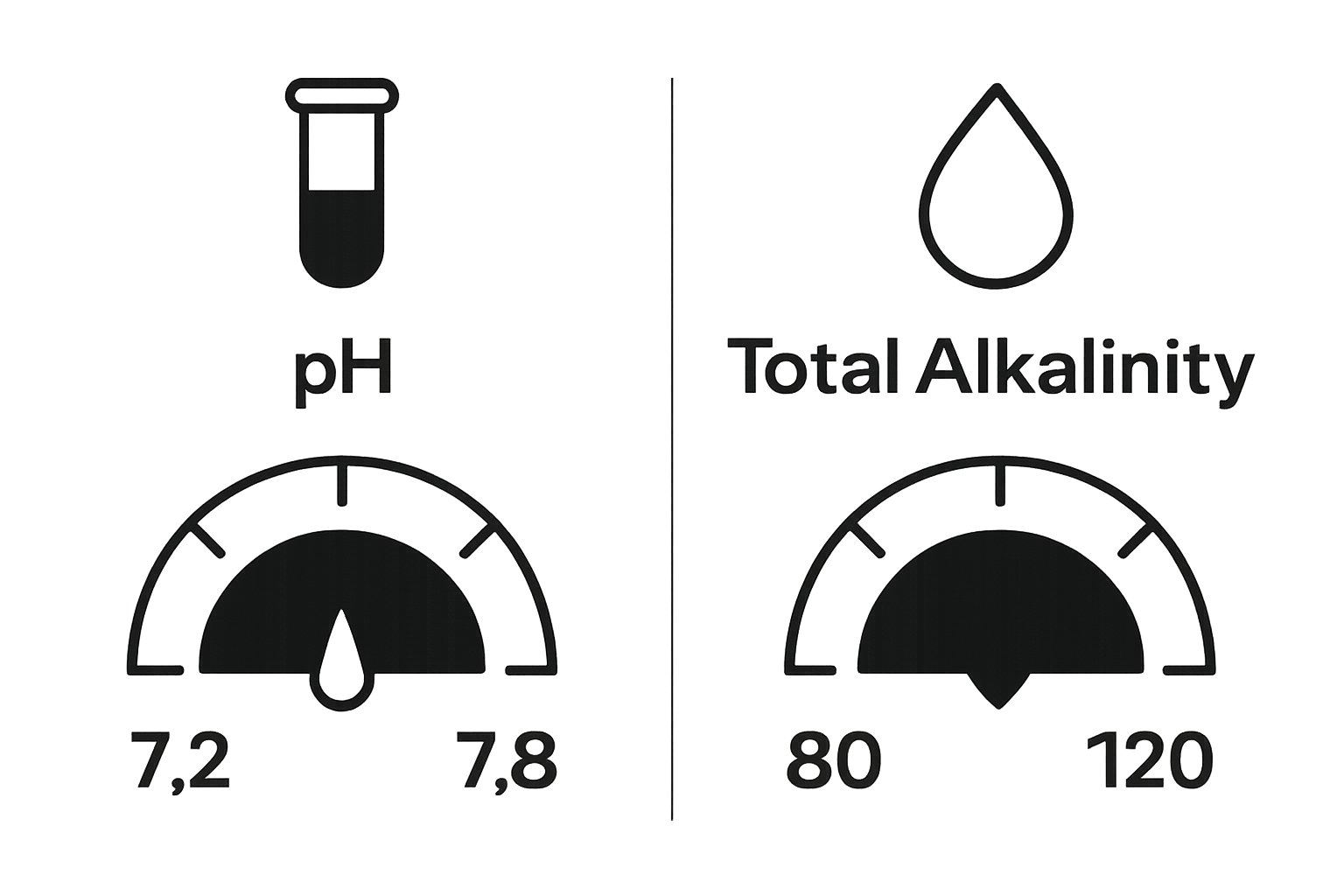 :
- pH levels (ideal range between 7.2 and 7.8)
- Total alkalinity (80-120 parts per million)
- Sanitiser concentration (chlorine or bromine)
Health and Safety
According to the Health and Safety Executive, spa water systems can harbour dangerous microorganisms like Legionella pneumophila if they are not properly maintained. Regular testing, chemical treatments and thorough cleaning are essential to keep the risks down.[3] Poor water management can lead to skin infections, breathing problems and the spread of waterborne illness.
In the end, spa water care is about making a safe, clean and comfortable place to relax. By understanding the chemistry, keeping a steady routine and putting bathers' health first, you can turn your hot tub from a possible hazard into a genuinely relaxing retreat.
To make the essentials clear, the table below sums up the main readings to watch and why each one matters.
| Parameter | Ideal Range/Specification | Purpose/Reason |
|---|---|---|
| pH Level | 7.2 - 7.8 | Maintains comfort, prevents skin irritation and equipment damage |
| Total Alkalinity | 80 - 120 ppm | Stabilises pH, supports chemical balance |
| Sanitiser Concentration | As specified (chlorine/bromine) | Kills harmful microorganisms, ensures water hygiene |
| Water Temperature | Manufacturer recommendation | Proper temperature supports sanitiser effectiveness |
| Regular Cleaning | As per protocol | Reduces bacterial growth and contamination risk |
The Science of Spa Water Chemistry
Spa water chemistry is a careful balancing act between chemical reactions that decide water quality, safety and how the spa feels to use. To get it right, it helps to understand how the different chemicals work with and against each other in a small body of water.
How the Chemicals Interact
Water chemistry is really about holding a precise balance between the different components. The aim is an environment that stays stable, sanitised and comfortable. The main interactions involve pH regulation, alkalinity management and how well the sanitiser works. Explore our water management insights to get to grips with these.
The chemicals in spa water interact through several key processes:
- Ion exchange processes
- Oxidation and reduction reactions
- pH buffering systems
- Mineral precipitation and dissolution
Keeping Microbes in Check
According to research from the UK Health Security Agency, water chemistry plays a key part in controlling microbial growth. The fine balance of chemical concentrations decides how well you can neutralise harmful microorganisms. Temperature, organic matter and chemical concentration all affect how effective that control is.[3]
The science shows that keeping water quality up is a moving target, needing constant monitoring, precise chemical management and a good grasp of how everything interacts.
What Good Treatment Involves
Good spa water treatment takes a rounded approach, pulling together several scientific and practical strategies to keep water quality, safety and comfort where they should be. It means managing chemical, biological and physical factors together to create the right environment.
Treatment and Sanitisation
Chemical treatment is the cornerstone of spa water management.[3] The main aim is to kill off harmful microorganisms while keeping the chemistry balanced. Discover our maintenance strategies for getting water quality right.
Key parts of chemical treatment include:
- Sanitisers such as chlorine or bromine to eliminate bacteria
- pH balancers to maintain optimal water chemistry
- Shock treatments to oxidise organic contaminants
- Algaecides to prevent microorganism growth
Rules and Safety Steps
According to the Health and Safety Executive, good spa water treatment means sticking closely to established safety procedures. Thorough water management involves keeping an eye on chemical concentrations, testing regularly and putting preventative measures in place against health risks.
Good spa water treatment is about more than adding chemicals. It is a careful mix of knowledge, precise technique and staying ahead with maintenance, all aimed at protecting bathers' health and making the spa better to use.
Common Problems and Fixes
Managing spa water throws up plenty of challenges that need a careful eye and the right response. Understanding the likely problems is key to a safe, hygienic and enjoyable spa. Spotting and sorting water quality issues early prevents bigger complications and keeps bathers safe.
Chemical Imbalance Issues
Chemical imbalances are among the most common problems in spa water care. They show up in various ways that hit water quality and how the spa feels. Explore our troubleshooting guide to understand these in more depth.
Common signs of a chemical imbalance include:
- Unusual water odour
- Skin irritation after spa use
- Cloudy or discoloured water
- Unexplained scaling on spa surfaces
- Persistent foam formation
The Health Risks
According to the UK Health Security Agency, water management carries important health considerations. Microbial contamination is a serious risk, with harmful pathogens able to spread when the water is not treated properly.
Good spa water management needs a rounded approach that brings together understanding, regular monitoring and quick action to tackle emerging problems. By spotting the early warning signs and dealing with them, you can keep a safe and enjoyable spa.
The table below compares some of the most common spa water problems and their symptoms, to help you spot and fix them quickly.
| Spa Water Issue | Common Symptoms | Potential Cause |
|---|---|---|
| Chemical Imbalance | Cloudy water, skin irritation | Incorrect pH or alkalinity levels |
| Microbial Contamination | Unusual odours, skin infections | Inadequate sanitisation or cleaning |
| Scaling | Chalky deposits on surfaces | High calcium hardness |
| Foam Formation | Persistent foam on water surface | Excess organic contaminants |
| Water Discolouration | Unpleasant colour changes | Contaminants or metal content |
Keeping Quality Up Long Term
Keeping spa water good over the long run is a real challenge that calls for steady, systematic care. Lasting quality takes more than the odd treatment; it needs a rounded, well-informed approach that deals with several connected factors at once.[2]
A Steady Routine
Long-term water care means setting up solid monitoring and a clear plan for when to step in. Explore our detailed maintenance strategies to build a full water care routine. Prevention beats reaction every time, so focus on constant checks and treating problems before they grow.
Key parts of a steady water care routine include:
- Regular chemical composition testing
- Comprehensive filtration system maintenance
- Consistent water circulation and treatment
- Periodic equipment inspection and calibration
- Documentation of water quality parameters
Rules and Standards
According to the Health and Safety Executive, keeping spa water good over the long term means sticking closely to established health and safety procedures. Water safety plans should include detailed risk assessments, monitoring and a clear set of corrective actions to prevent the health risks that come with poor water management.
In the end, keeping spa water excellent is an ongoing job that blends knowledge, monitoring and steady, proper care. With a full, proactive approach, you can keep a safe, hygienic and enjoyable spa that meets the highest standards.
Take the Guesswork Out of Spa Water Care with Zagosa Spa & Pool
If getting that perfect balance in your spa water feels like hard work, you are not alone. Plenty of owners wrestle with chemical imbalances, cloudy water and worries about hidden bacteria. As this guide explains, steady water management is essential for health, safety and comfort, yet spotting problems and finding the right fix can feel overwhelming. You deserve water that is as inviting as it is safe.

Find the confidence that comes with well-managed water by exploring Zagosa's trusted products today. Our range includes carefully tested hot tub chemicals and spa essentials, all made to simplify the chemistry and take out the guesswork. Make your spa enjoyable and worry-free. For proven tips and an easy solution, visit Zagosa Spa & Pool now. Do not spend another day doubting your water quality. Take charge of your spa and turn your hot tub into the relaxing retreat you deserve.
Frequently Asked Questions
What is spa water care?
Spa water care is the process of maintaining optimal water quality and safety in hot tubs and spas by managing chemical balance, sanitisation, and overall water hygiene.
Why is it important to maintain proper water chemistry in spas?
Maintaining proper water chemistry is essential to prevent harmful microbial growth, protect spa equipment, and ensure user comfort and safety.
What are the key parameters to monitor in spa water management?
Key parameters include pH levels (ideally between 7.2 and 7.8), total alkalinity (80-120 parts per million), and sanitiser concentration (such as chlorine or bromine).
How can I identify chemical imbalances in my spa water?
Signs of chemical imbalances include unusual water odours, skin irritation, cloudy or discoloured water, scaling on surfaces, and persistent foam formation.
Recommended
- Essential Hot Tub Maintenance Checklist for 2025 Success
- Water Management Blogs
- Blog
- 5 Hot Tub Water Problems
- 8 Essential Water Purification Best Practices for Health
- Understanding the Watering Schedule for Lawns
Sources and review
Reviewed on . Next review due .
- Legionnaires' disease: spa pools - Health and Safety Executive
- PWTAG Code of Practice: the management and treatment of swimming pool water - Pool Water Treatment Advisory Group
- HSG282: The control of legionella and other infectious agents in spa-pool systems - Health and Safety Executive