By The Zagosa Team. Published .
Reviewed or updated .
Here is something that catches most UK owners off guard: skip proper water testing and harmful bacteria can build up in a matter of days. Clean spa water is not just about comfort, it protects your health and your pricey equipment. Get to grips with what the testing tells you and you will enjoy safer, more reliable soaks, and stay on the right side of the rules that apply here in the UK.
Table of Contents
- What Spa Water Analysis Means
- Distinguishing Chemical vs Microbial Tests
- Legal Standards and HSG282 Requirements
- Understanding Safe Water Parameters
- Risks of Ignoring Water Analysis
- Best Practices for Testing Regime
Key Takeaways
| Point | Details |
|---|---|
| Why testing matters | Regular analysis keeps users safe and the equipment lasting longer by watching the readings that count. |
| Chemical vs microbial testing | Use both. Chemical tests keep microbes at bay, microbial tests confirm whether contamination is present. |
| Meeting HSG282 | Following HSG282 is central to staying legal and protecting public health, which means proper water management. |
| A regular testing habit | Set up a structured schedule for both chemical and microbial checks to keep the water safe. |
What Spa Water Analysis Means
Spa water analysis is the methodical way of checking the chemical, biological and physical state of your hot tub water. Boiled down, it means testing and tracking several readings so the water stays safe to use and the equipment lasts. By running regular water quality checks, owners head off health risks and keep the water in good condition.
The main aim is to spot and manage the things that matter: pH, total alkalinity, sanitiser levels and any microbial contamination. The Chartered Institute of Plumbing and Heating Engineering stresses how important these checks are for stopping bacteria, with particular concern about Legionella, which thrives in warm water. Keep an eye on these readings and you get water that is both hygienic and comfortable.
A solid testing routine relies on the right kit and an understanding of the standards, notably HSG282. Keeping systematic tabs on your water quality flags problems while they are still small. In practice that means measuring the chemical levels, checking the sanitiser is doing its job and judging the overall balance so the tub stays safe and enjoyable.
Handy tip: Regular testing is everything. Get a reliable kit and run a full check at least once a week so you catch issues early.
Distinguishing Chemical vs Microbial Tests
Chemical and microbial tests are two sides of the same coin, each playing its part in keeping a hot tub safe and clean. Chemical testing measures the key readings like pH, total alkalinity and sanitiser concentration. Those tell you whether the disinfectant is working and whether the water is stable and safe.
Microbial testing takes a different tack, looking directly for bacteria and other pathogens in the water. Following the Health and Safety Executive's guidance, these tests set out to find and count harmful microorganisms such as Legionella, which can be dangerous in warm water. Microbial analysis usually needs proper lab techniques that detect and measure specific bacteria, giving you the real microbiological picture.
The difference comes down to purpose. Chemical tests are preventive: get the chemistry right and the water becomes a poor home for microbes. Microbial tests are diagnostic: they confirm whether dangerous organisms are actually there. Run both and you cover the whole safety picture, chemistry and contamination alike.
Handy tip: Build a schedule that alternates chemical and microbial testing so you get a complete read on how healthy your water really is.
Legal Standards and HSG282 Requirements
HSG282 is the backbone of spa water safety law in the UK, setting out what operators of hot tubs and spa facilities must do. Written by the Health and Safety Executive, it lays out a detailed framework for treating, maintaining and monitoring the water to protect public health. It sets specific procedures that head off the health risks of poor water management and hold facilities to strict safety standards.
For commercial operators, especially in hospitality, HSG282 is not optional. Councils such as East Ayrshire enforce strict requirements for spa pool operations, expecting thorough risk assessments and solid control schemes. The rules touch many parts of water management, from detailed record-keeping to regular testing and set maintenance steps that have to be followed carefully to meet the law.
In practice, meeting HSG282 usually means writing a full risk assessment, putting a structured water management plan in place, keeping detailed records and making clear who is responsible for water safety. That approach means bacterial risks like Legionella are found and dealt with systematically. The guidance is all about staying ahead of problems, expecting operators to understand the particular challenges of safe spa water and apply proven control measures.
Handy tip: Keep one compliance folder with all your test records, risk assessments and maintenance logs, ready to show you meet HSG282 if an inspector calls.
Understanding Safe Water Parameters
Safe spa water comes down to hitting a set of readings that keep the tub hygienic and healthy. Clear chemistry targets are what stop health risks, with defined ranges that keep water quality where it should be. The Health and Safety Executive recommends holding the key readings within careful limits, creating water that harmful microorganisms dislike while staying comfortable and safe for bathers.
The readings to watch most closely are pH, free chlorine, total alkalinity and water hardness. Industry guidance puts pH between 7.0 and 7.6, the sweet spot for effective sanitiser and comfortable water. Free chlorine is usually recommended at 3-5 mg/L, enough to kill off bacteria without stinging skin or eyes. HSG282 gives full recommendations for these standards, so you have a systematic way to manage the water.
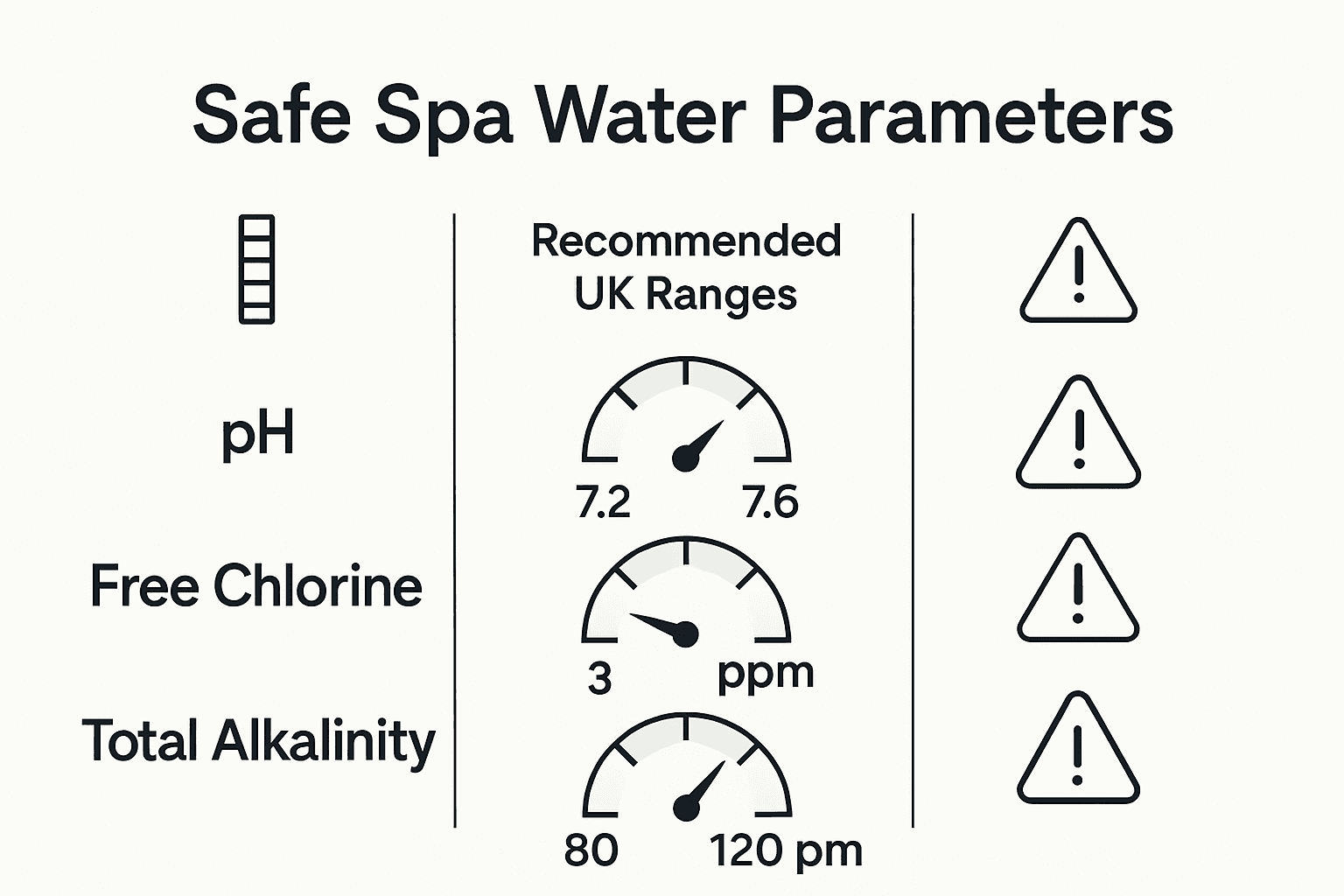
It is not all chemistry, though. Safe water also means clear water, no visible muck and a steady temperature. Regular testing is what keeps all of this in line, because even a small drift can invite bacteria or leave bathers uncomfortable. Owners need to stay ahead of it, using reliable kit and understanding how the chemistry interacts to keep the water safe.
Here is a summary of safe spa water readings and their recommended ranges:
| Parameter | Recommended Range | Importance |
|---|---|---|
| pH Level | 7.0 to 7.6 | Balances sanitiser effectiveness |
| Free Chlorine | 3-5 mg/L | Destroys harmful microorganisms |
| Total Alkalinity | 80-150 mg/L | Prevents pH fluctuations |
| Water Hardness | 100-250 mg/L | Protects equipment from corrosion |
| Temperature | 35-40°C | Ensures bather comfort and safety |
Handy tip: A digital test kit that reads several parameters at once, plus a set weekly test slot, makes it easy to keep track of your water's safety.
Risks of Ignoring Water Analysis
Let the testing slide and the consequences run well past a bit of upkeep. Bacteria like Legionella are a serious threat, with effects ranging from mild chest infections to life-threatening Legionnaires' disease. Owners who skip proper testing create the very conditions where dangerous organisms multiply fast, turning a relaxing soak into a genuine health hazard.
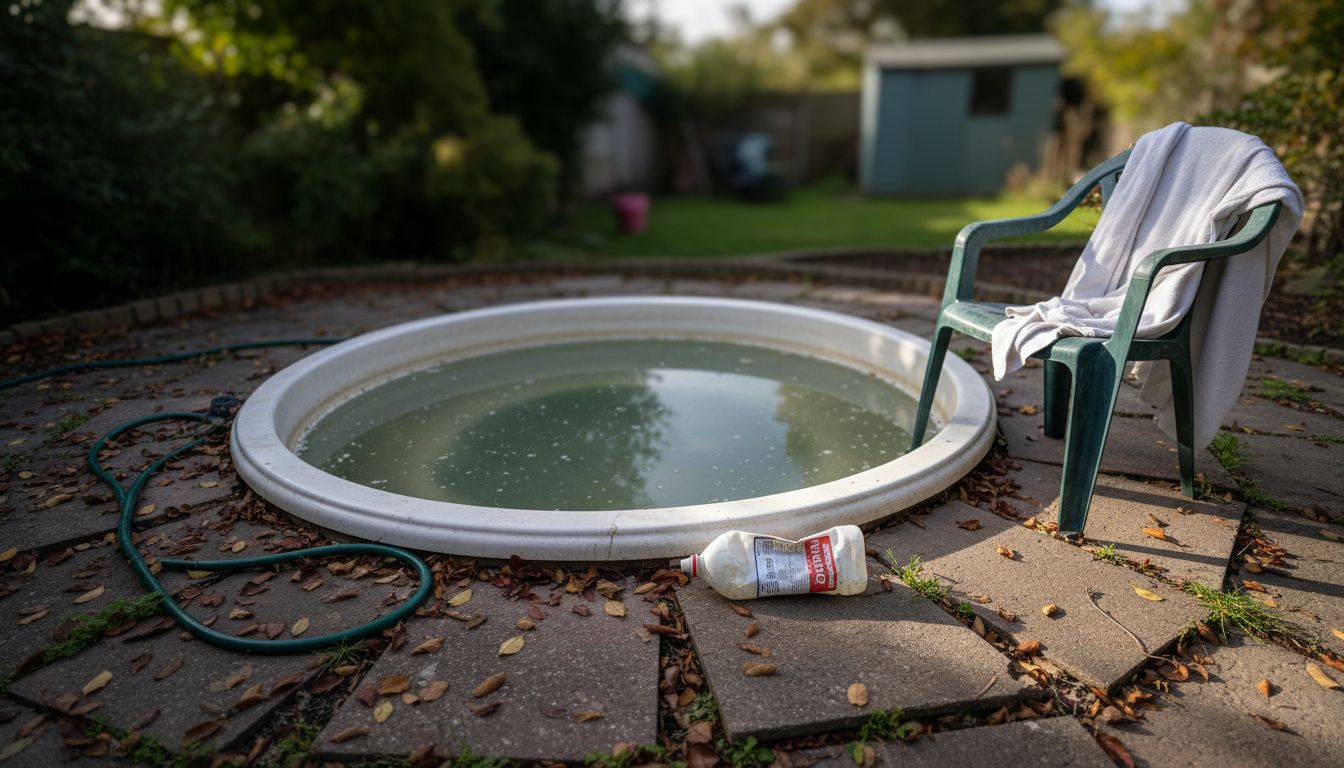
The legal and financial fallout can be just as heavy. Commercial operators take on real liability when water standards slip, and the possible costs include hefty fines, legal action from affected users, closure of the facility and lasting damage to reputation. The Health and Safety Executive takes water safety extremely seriously, with detailed guidance built to protect the public and hold operators to account.
There is a slower cost too, in the equipment itself. Left-unchecked chemical imbalances speed up corrosion, harm the filtration and steadily wreck expensive parts. Add up replacement kit and potential medical claims and it dwarfs the small cost of regular testing. Poor water also just feels bad to use, with itchy skin, sore eyes and a tub that looks and works worse.
Handy tip: Run a proper testing routine that covers both chemistry and bacteria at least weekly, and put right anything unusual straight away before it becomes a health risk.
Best Practices for Testing Regime
A good testing routine is disciplined, not casual. The professional advice is to run a layered plan with different frequencies and depths of testing: quick daily checks, fuller weekly assessments and thorough monthly reviews, so the water stays consistently safe and in line with HSE standards.
The core is tracking the readings methodically at each level. Daily tests should cover the basics: pH, free chlorine and how clear the water looks. Weekly tests go deeper, adding total alkalinity and some microbial screening. Monthly testing under HSG282 typically means proper microbial sampling, more detailed water quality work and full documentation to spot longer-term trends or brewing problems.
Good record-keeping and a habit of actually reading the data make all the difference. Keep detailed logs of every result, with date, time, readings and any action taken. Those records give you a history of your water quality and also stand as key evidence for compliance. More advanced setups might use digital tracking for trend analysis, early warnings and steady monitoring of how the treatment is performing.
The table below compares daily, weekly and monthly testing:
| Testing Frequency | Typical Tasks Performed | Main Benefit |
|---|---|---|
| Daily | pH, chlorine, water clarity checks | Immediate issue detection |
| Weekly | Alkalinity, in-depth microbial screening | Prevents long-term risks |
| Monthly | Comprehensive assessments, trend documentation | Full compliance and record-keeping |
Handy tip: Set up a logbook or spreadsheet with a section for each reading, so recording results is quick and consistent and trends jump out at you.
Ensure Your Hot Tub Safety with Expert Water Treatment Solutions
Holding safe water readings and testing regularly are the steps that keep bacteria like Legionella out and keep you on the right side of HSG282. If you want to protect your health, avoid costly equipment damage and meet UK safety rules, dependable water treatment products are a must. Zagosa Spa & Pool has a carefully chosen range for balancing pH, holding free chlorine and supporting good microbial control in your hot tub.

See how our quality hot tub chemicals and spa essentials make your testing routine simpler and keep the water hygienic and inviting. Take a look now at Zagosa Spa & Pool. Stay compliant and relax knowing you are using products trusted across the UK spa community. There is plenty of guidance and support to help you keep your water in top condition with Zagosa Spa & Pool water treatment. Your safest, best soak starts today.
Frequently Asked Questions
What is spa water analysis and why is it important?
It is the methodical testing of your hot tub water's chemical, biological and physical state. It keeps users safe, heads off health risks and helps the equipment last by tracking readings like pH, alkalinity and sanitiser.
How often should I perform spa water testing?
Run a full check at least once a week. Do quick daily tests of pH and sanitiser, and add total alkalinity and microbial screening to your weekly assessment.
What are the key parameters to monitor for safe spa water?
Keep an eye on pH (7.0 to 7.6), free chlorine (3-5 mg/L), total alkalinity (80-150 mg/L) and water hardness (100-250 mg/L). Holding these keeps microbes down and bathers comfortable.
What are the risks of not conducting regular spa water analysis?
Skipping testing risks serious health problems from bacteria such as Legionella, legal liability for operators, and equipment damage from unchecked chemical imbalances.
Recommended
- The Essential Guide to Hot Tub Safety UK - Zagosa Spa & Pool
- Spa Water Replacement - Why Routine Changes Matter - Zagosa Spa & Pool
- Benefits of Water Testing - Healthier Hot Tub Enjoyment - Zagosa Spa & Pool
- Spa Water Balancing: The Essential Guide - Zagosa Spa & Pool
- Understanding the Effects of Water Contamination - My WordPress