By The Zagosa Team. Published .
Reviewed or updated .
Water quality problems are behind a big share of spa equipment failures across the UK, which surprises a lot of owners. Keeping a hot tub safe and sparkling clear can feel baffling, especially with water chemistry and hidden bacteria in the mix. This guide breaks down the water testing basics every UK spa owner needs to protect their investment and, more to the point, enjoy a healthy, worry-free soak.
Table of Contents
- Water Testing Explained For Hot Tubs
- Key Types Of Water Tests And Methods
- Protecting Health: Preventing Spa Water Hazards
- Optimising Water Clarity And Chemical Balance
- Avoiding Costly Damage And Legal Issues
Key Takeaways
| Point | Details |
|---|---|
| Regular Testing is Essential | Test at least twice a week to keep a hot tub safe and hygienic, with extra tests after heavy use or several bathers. |
| Understanding Chemical Balance | Watch the key readings like pH, alkalinity and sanitiser to head off bacteria and equipment damage. |
| Comprehensive Health Protection | Follow a thorough cleaning and maintenance routine to cut the risk from harmful bacteria such as Legionella. |
| Legal Compliance is Crucial | Keep accurate records and meet the safety standards to avoid fines and legal trouble. |
Water Testing Explained for Hot Tubs
Keeping hot tub water clear and safe takes a methodical approach to testing. Checking the water quality regularly heads off bacteria and keeps the spa hygienic. The Chartered Institute of Plumbing and Heating Engineering recommends thorough testing to reduce the health risks that come with poor water care.
Testing means looking at several chemical readings that show whether the water is balanced and safe. The key measurements are pH, chlorine or bromine level, alkalinity and calcium hardness. Together these help you avoid bacteria, sore skin and equipment damage. Getting the chemistry right means using reliable strips or a digital kit that gives accurate readings across all of them.
A steady testing routine is a must for owners. Health and Safety Executive guidance stresses regular monitoring to control bugs like Legionella. The advice is to test at least twice a week, with extra checks after heavy use or when several people share the tub. Keeping a detailed log helps you follow the trends and act in good time.
Good testing is about more than just reading the numbers. Knowing how the different factors interact matters too. Temperature, bather load, the weather and your chemical treatments all shape the water quality. Take a rounded view of water management and you keep the spa safe, hygienic and enjoyable, protecting both the equipment and the people using it.
Key Types of Water Tests and Methods
Good testing means using several test types and methods. East Renfrewshire Council recommends detailed water quality checks covering the key readings for a safe, hygienic spa. Chemical tests are the bedrock of keeping the water in good condition.
The main test categories are chemical balance tests, microbiological screening and physical checks. Chemical tests measure the essentials, such as pH, total alkalinity, calcium hardness and sanitiser. These help you avoid bacteria, corrosion and sore skin. Digital strips and electronic testers give quick, accurate readings across several parameters at once.
Cornwall Council's microbiological sampling services show why thorough testing matters, including screening for particular bacteria. More advanced testing checks for total viable colony counts, coliforms, E. coli, Pseudomonas and Legionella. It is worth running these specialist tests now and then for complete peace of mind on water safety.
Good testing goes beyond simply taking a reading. Owners need a set routine that combines regular chemical tests, occasional microbiological screening and careful record-keeping. Understanding how the different readings interact and sticking to a testing schedule are what keep the tub safe and enjoyable, protecting both equipment and health.
Protecting Health: Preventing Spa Water Hazards
The Chartered Institute of Plumbing and Heating Engineering points to the real health risks of poorly kept hot tub water, especially the chance of bacteria multiplying. Bacterial contamination is a genuine threat, with some bugs able to cause serious chest and skin infections. Understanding these risks is the starting point for a safe spa that keeps bathers away from waterborne hazards.
Legionella is one of the most serious risks in a hot tub. These bugs thrive in warm water between 20 and 45 degrees Celsius, which makes a hot tub an ideal breeding ground. Legionnaires' disease can bring on severe pneumonia, high fever and breathing problems. Good water management means firm cleaning routines, the right chemical balance and regular checks to stop bacteria growing.
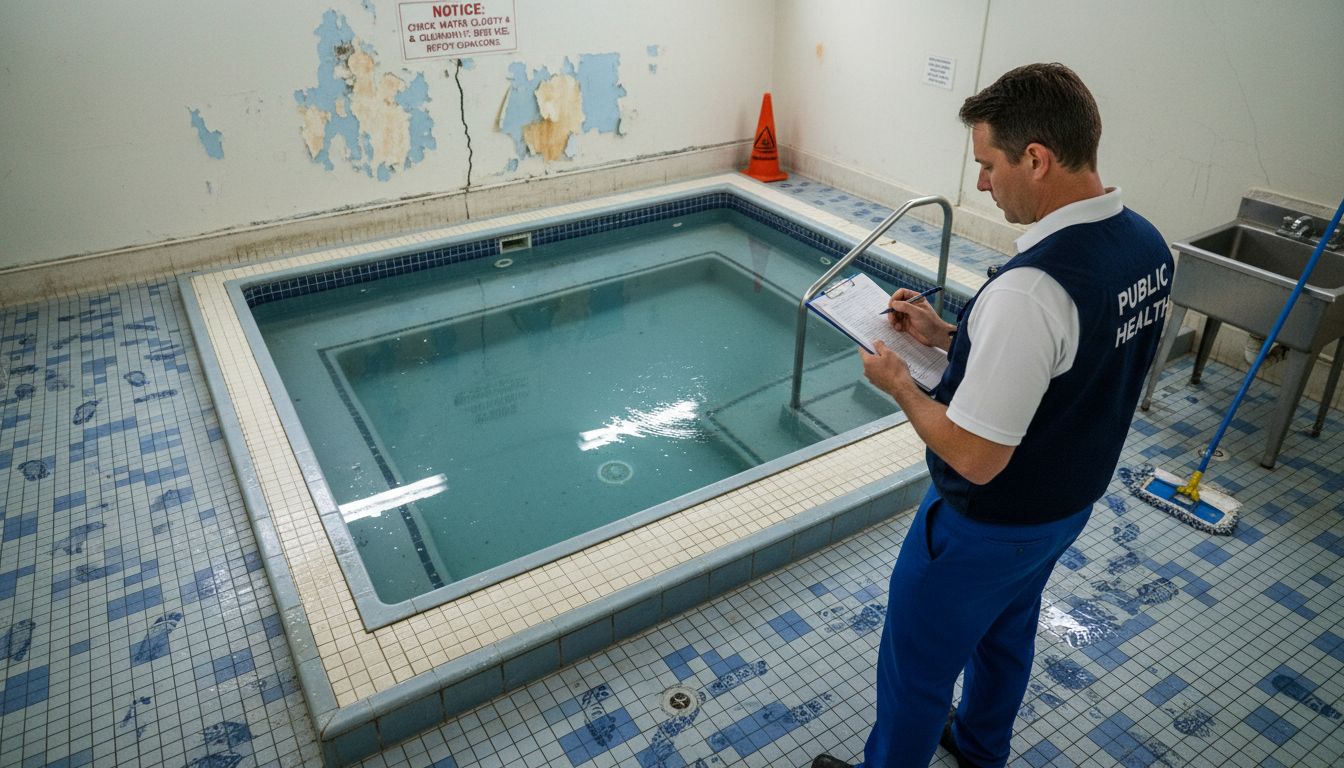
The Health and Safety Executive offers thorough guidance on controlling bugs in spa systems. Their advice covers proper risk assessments, strict maintenance routines and regular water tests. Owners should focus on the key prevention steps: holding the right sanitiser level, controlling the temperature, keeping the water circulating and deep cleaning often.
Protecting health takes a rounded approach that pairs a bit of understanding with steady, practical care. That means a water management plan covering chemical balance, bacteria control and bather safety. Regular professional inspections, careful record-keeping and staying up to date with best practice are all part of responsible ownership that puts health first.
Optimising Water Clarity and Chemical Balance
Devon and Somerset Trading Standards recommend firm water quality management through methodical testing and careful chemical control. Water clarity is not just about looks, it is a real health and maintenance priority. Getting the balance right means understanding how the different chemical readings relate to each other and affect the water.
The key readings for pristine water are pH, total alkalinity, calcium hardness and sanitiser. A pH between 7.2 and 7.8 gets the best out of your sanitiser while protecting the equipment from corrosion. Total alkalinity works as a buffer, steadying the pH and preventing the sudden swings that can spoil the water and put bathers off.
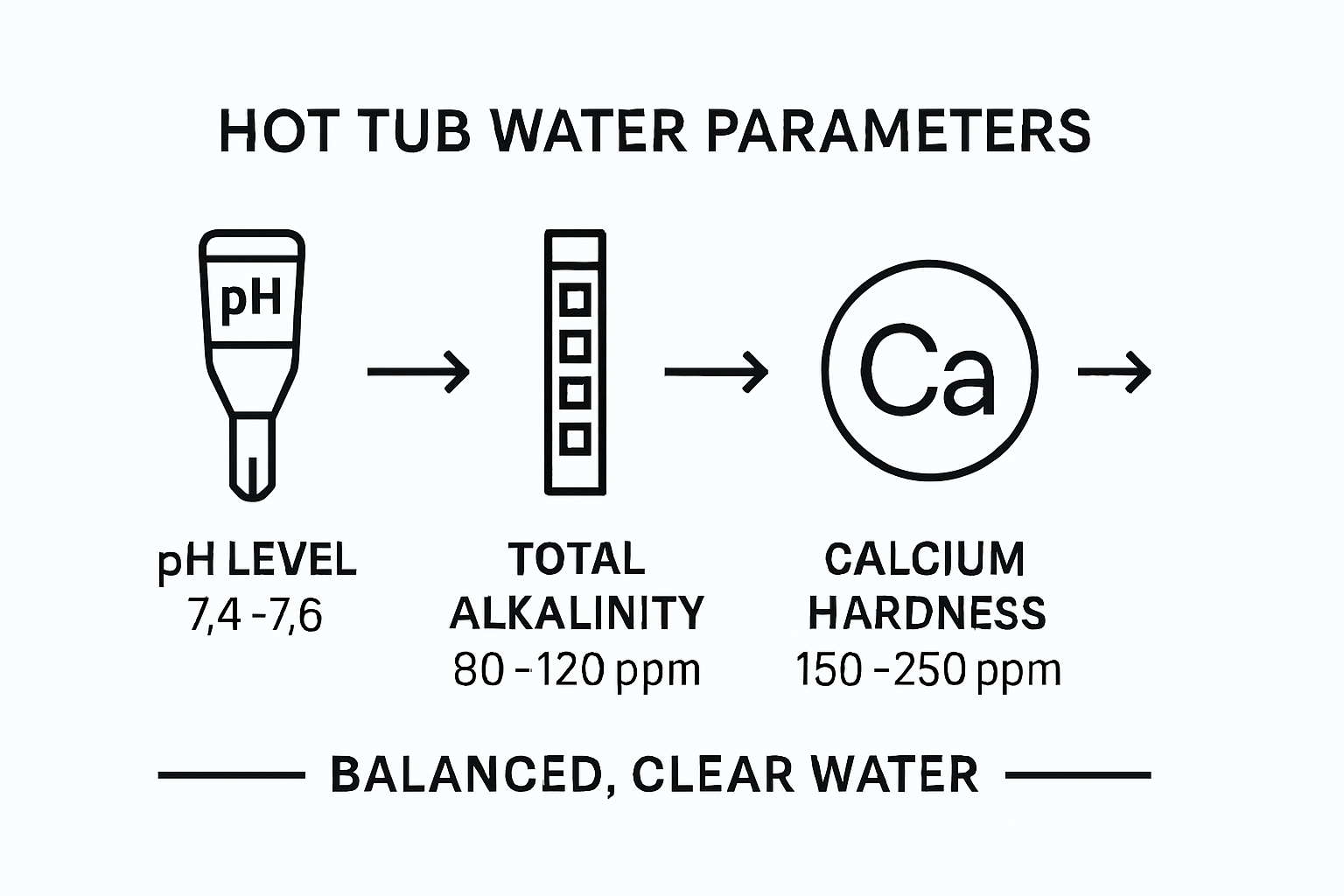
Managing your sanitiser well is what clears out harmful bugs and keeps the water crystal clear. Chlorine and bromine are the usual choices, with recommended levels typically between 1 and 3 parts per million. East Renfrewshire Council stresses steady monitoring and detailed records to keep the water safe. Owners should build a routine of regular testing, precise adjustments and good notes on their water treatment.
Good clarity comes from a rounded approach that pairs a bit of understanding with practical care. That means not only holding the right chemical levels but also allowing for outside factors like bather load, the weather and how well the filter is working. Put a full water management plan in place and you keep the spa consistently clean, safe and inviting, which is good for both enjoyment and the equipment.
Avoiding Costly Damage and Legal Issues
Devon and Somerset Trading Standards offer important guidance on the legal side of hot tub maintenance and safety. Staying compliant is a real part of ownership that goes well beyond simply treating the water. Fall short of the safety standards and you risk sizeable fines, potential legal action and harm to bathers' health.
The money side of poor maintenance can be steep. Damage from bad chemistry or neglect can mean expensive repairs or a full system replacement. Heating elements, pumps and filtration can corrode fast when the chemistry is left unchecked. Regular professional inspections and a thorough maintenance routine head off these costly failures and extend the life of pricey kit.
The UK Government's product safety alerts show how important it is to keep an eye on equipment, particularly around safety risks. Owners' legal responsibilities include keeping accurate maintenance records, making sure equipment meets safety standards and dealing with hazards early. Commercial operators face extra scrutiny, with fines for non-compliance running from hundreds to thousands of pounds.
Managing the risk well takes a rounded approach that combines thorough records, regular professional checks and a willingness to keep learning about safety. Owners should stay on top of changing regulations, manufacturer advice and best practice in water treatment. Build a thorough, proactive routine and you protect yourself from legal trouble, cut the financial risk and keep the tub safe and enjoyable for everyone.
Maintain Healthier Hot Tub Water with Expert Solutions from Zagosa Spa & Pool
This guide highlights the real challenge of keeping water balanced and safe through regular testing, so you avoid bacteria and costly damage. You can see why watching pH, sanitiser levels and chemical balance matters for a clean, enjoyable soak. Steering clear of risks like Legionella and corrosion comes down to steady water quality management.
Zagosa Spa & Pool has a full range of trusted water treatment products built for exactly these challenges. Our selection includes quality hot tub chemicals and spa care essentials that help you keep the water crystal clear and bathers safe. With products made to support precise adjustments and regular care, Zagosa Spa & Pool makes it simple to keep your water safe and inviting.
Get more from your hot tub today by visiting Zagosa Spa & Pool for quality water treatment solutions to suit you.

Take charge of your hot tub's water quality with Zagosa's reliable products and expert guidance. Start protecting your health and your investment now with the Zagosa range. Do not wait for problems to appear, get a healthier, safer spa today.
Frequently Asked Questions
What are the benefits of regular water testing for hot tubs?
Regular testing keeps the chemistry balanced, stops bacteria and protects bathers' health, so the spa stays safe and enjoyable.
How often should I test my hot tub water?
Test at least twice a week, with extra checks after heavy use or when several people share the tub.
What parameters should I monitor when testing hot tub water?
Keep an eye on pH, sanitiser level (chlorine or bromine), total alkalinity and calcium hardness to keep the water in good condition.
How can water testing prevent costly damage to my hot tub?
Steady testing lets you catch and correct imbalances before they damage the equipment, whether that is corroded parts, expensive repairs or a full replacement.
Recommended
- Hot Tub Water Testing Workflow for Crystal Clear Results - Zagosa Spa & Pool
- Understanding Why Test Hot Tub Water for Health and Safety - Zagosa Spa & Pool
- Spa Water Clarity: Key Steps for a Sparkling Hot Tub - Zagosa Spa & Pool
- 7 Best Practices for Hot Tubs Every UK Owner Should Know - Zagosa Spa & Pool
- Understanding the Effects of Water Contamination - My WordPress