By The Zagosa Team. Published .
Reviewed or updated .
A fair few UK hot tub owners are unsure how shock treatment really works. A hot tub is meant to be a place to unwind, yet neglected water can turn a relaxing soak into a health worry. Knowing how shock treatment works and when to use it is key to keeping your spa water clean, safe and free of hidden contaminants. Here are the key steps and practical tips that make spa care simple and effective.
Table of Contents
- What Shock Treatment Means For Hot Tubs
- Differences Between Chlorine And Non-Chlorine Shock
- How Shock Treatment Works In Spa Water
- When And How Often To Use Shock Treatment
- Practical Safety And Post-Treatment Steps
Key Takeaways
| Point | Details |
|---|---|
| Importance of Shock Treatment | Regular shocks keep the water hygienic and clear by clearing contaminants and topping the sanitiser back up. |
| Chlorine vs Non-Chlorine Shock | Chlorine shock sanitises hard but can irritate skin, while non-chlorine options are a gentler, odour-free choice. |
| Frequency of Use | Shock at least once a week, and more often after heavy use or anything that knocks the water quality.[1] |
| Post-Treatment Safety | After shocking, let the chemicals settle and test with a reliable kit to confirm it is safe before getting in. |
What shock treatment means for hot tubs
Shock treatment is a key bit of care that clears out organic contaminants and brings the water back to clarity. Shock treatments mean adding a strong oxidiser that breaks down the unwanted stuff, keeping the spa hygienic and safe to use.
The main job of a shock is a thorough sanitise. When you add shock chemicals, they quickly destroy bacteria, algae and other microorganisms that a normal sanitiser might miss. This tops your chlorine or bromine back up and resets the water's chemical balance. Shocking a hot tub naturally can help keep the water in good shape without leaning solely on harsh chemicals.
Regular shocks pay off in several ways. They stop the build-up of organic contaminants like body oils, sweat, cosmetics and other residue that gathers in the water.[2] By oxidising all that, shock treatments clear away unpleasant smells, cut potential skin irritants and keep the water crystal clear. Shocking consistently also helps your equipment last and makes every soak more hygienic and enjoyable.
Differences between chlorine and non-chlorine shock
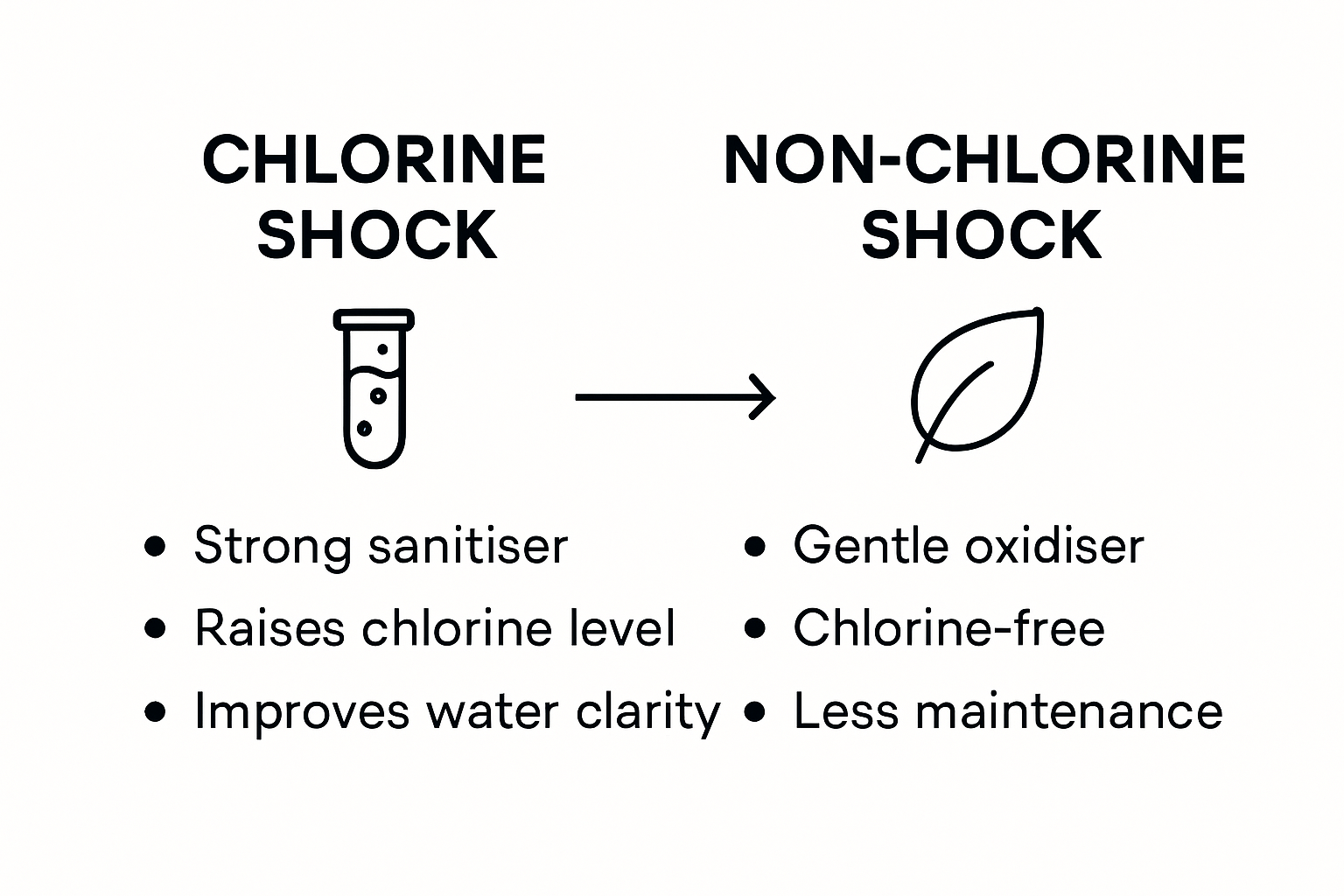
Chlorine and non-chlorine shocks are two different ways of keeping the water in good condition, each with its own traits and benefits. Chlorine shock treatments use a strong dose of chlorine to break down organic contaminants, clearing bacteria and resetting the sanitising level.[3]
Non-chlorine shocks, by contrast, use a different oxidiser such as potassium peroxymonosulfate to clean the water without adding to the chlorine level. That suits owners who are sensitive to chlorine or want a gentler approach. These treatments quickly oxidise organic matter, neutralise contaminants and top the existing sanitiser back up, all without the strong chemical smell of a traditional chlorine shock.
The key differences go beyond what is in the tin. Chlorine shocks tend to be more aggressive, sanitising hard but potentially irritating skin or bleaching swimwear. Non-chlorine shocks are the milder option, keeping the water clear and hygienic while being gentler on both bathers and spa surfaces. Shock treatments need choosing carefully based on your own care needs, how much the tub is used and any chemical sensitivity.
How shock treatment works in spa water
Shock treatment is a chemical process that turns contaminated water back into a clean, hygienic soak. Spa shock means adding strong oxidisers that break down organic matter and neutralise harmful microorganisms, resetting the water's chemical balance and sanitising level.
It works through oxidation, a powerful reaction that destroys unwanted substances at the molecular level.[2] As soon as the oxidiser goes in, it starts on the organic contaminants such as body oils, cosmetics, sweat and bacterial residue. These are quickly broken down into smaller, less harmful molecules, which lets the spa's existing sanitiser work better and keeps the water clear.
Chemically, it is a complex interaction between the shock's active ingredients and the water's existing chemistry. Non-chlorine shock treatments, for example, use potent compounds that quickly neutralise contaminants without greatly changing the overall chemistry. By disrupting the structure of organic matter, shock treatments keep the water clean, safe and free of harmful bacteria, for a hygienic, refreshing soak.
When and how often to use shock treatment
How often you shock matters a lot for good water quality and hygiene. The usual advice is to shock at least once a week, with extra treatments after heavy use or anything that might knock the water quality.
How often you need to shock depends on a few things. Regular users should plan a weekly shock, while lighter users might get by with a fortnightly one. Times that call for an immediate shock include after several bathers have used the tub, after an outdoor gathering where debris may have got in, or when the spa has sat unused for a while. These situations bring in more organic contaminants that can quickly spoil the water and harbour harmful bacteria.
The season and how you use the tub also come into it. Through the busy summer months you might need to shock more often. Non-chlorine shock treatments give you some flexibility, letting you tweak your approach to suit the conditions and how much the tub is used. Keep an eye on the water's clarity, smell and overall state, and you can fine-tune your shock routine for consistently clean, safe water.
Practical safety and post-treatment steps
Once you have shocked the water, a few important safety steps keep the soak safe and hygienic. Safe hot tub use starts with giving the chemicals time to settle back into safe ranges before anyone gets in.
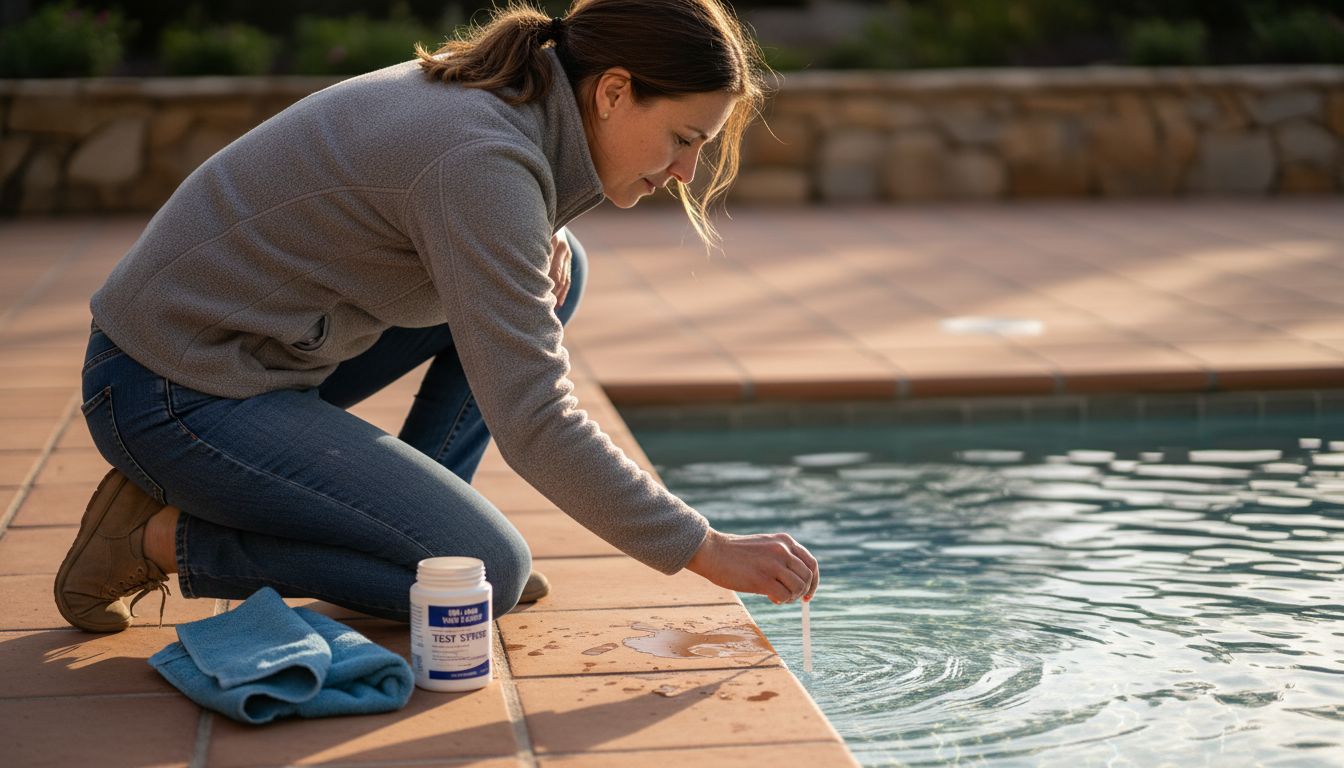
The practical steps afterwards follow a set order for testing and chemical management. Wait at least 20 to 30 minutes after shocking before testing the chemistry, using a reliable kit to check the sanitiser has come back to an acceptable level.[1] The key readings to check are pH, chlorine or bromine, and the overall balance. Wear proper protective gear, like chemical-resistant gloves and eye protection, when handling shock chemicals to avoid skin or eye irritation.
Ventilation matters too, both during and after. Always shock in a well-ventilated spot, keeping the cover open so any chemical gases can clear. Pre-treating the water can also cut how much shock you need, reducing chemical exposure and keeping the water more consistent. Follow these steps and you keep every soak safe, clean and enjoyable.
Keep Your Hot Tub Sparkling with Expert Water Treatment Solutions
Shock treatment is essential for breaking down organic contaminants, restoring clarity and sanitiser balance, and heading off sore skin or unpleasant smells. If you have battled cloudy water, recurring bacteria or the need to shock too often, Zagosa Spa & Pool can help you keep a hygienic, crystal-clear tub with far less effort. Our carefully made hot tub chemicals and spa essentials get the best out of oxidation and sanitising, so you can enjoy every soak with confidence.

Explore our range of quality products for effective shock treatments and gentle non-chlorine shock options to suit you. Do not wait for the water quality to slip, visit Zagosa Spa & Pool today for trusted water treatment that keeps your hot tub fresh, safe and inviting all year round.
Frequently Asked Questions
What is shock treatment in hot tubs?
It means adding a strong oxidiser to break down organic contaminants, so the water stays hygienic, clear and safe to use.
How often should I perform shock treatment on my hot tub?
Shock at least once a week, with extra treatments after heavy use or anything that brings in contaminants, like an outdoor gathering.
What is the difference between chlorine and non-chlorine shock treatments?
Chlorine shock uses concentrated chlorine to sanitise the water, while non-chlorine shock uses a different oxidiser, making it gentler and suitable for anyone sensitive to chlorine.
What steps should I take after performing a shock treatment?
Wait 20 to 30 minutes before testing the chemistry. Make sure the pH and sanitiser are back in their safe ranges before getting in, and ventilate the area to clear any chemical vapours.
Recommended
- Why are hot tub bromine tablets so widely used? - Zagosa Spa & Pool
- Water Shock Treatements - Zagosa Spa & Pool
- How Hot Are Hot Tubs? Understanding Temperature and Comfort - Zagosa Spa & Pool
- How to Shock a Hot Tub Naturally for Zagosa Results - Zagosa Spa & Pool
- Integrate Healthcare Ottawa - Shockwave Therapy
Sources and review
Reviewed on . Next review due .
- HSG282: The control of legionella and other infectious agents in spa-pool systems - Health and Safety Executive
- Guidelines for safe recreational water environments. Volume 2: swimming pools and similar environments - World Health Organization
- PWTAG technical notes on pool and spa water treatment - Pool Water Treatment Advisory Group