By The Zagosa Team. Published .
Reviewed or updated .
Running an inflatable hot tub through a typical British winter can get expensive fast if the heat keeps escaping. More than 80 percent of the heat an outdoor spa loses goes straight up through the water's surface, so skimping on insulation means bigger bills and water that never quite stays warm. A good thermal cover changes all that, helping you save energy, keep costs sensible and hold water quality steady all year. Here is how to pick one that protects both your comfort and your wallet.
In This Guide
- What A Thermal Cover Actually Is
- UK Materials And Cover Types
- Where The Energy Savings Come From
- Fitting, Cleaning And Looking After It
- Prices And Other Cover Options
The Main Points
| Point | Details |
|---|---|
| Inflatable Hot Tub Thermal Covers | They hold heat in and boost efficiency by insulating the water and sealing the surface against escaping warmth. |
| Material and Design Matters | A cover made from good materials with several insulation layers stands up best to the British climate. |
| Installation and Maintenance | Fitting it properly is what makes it work, and regular care keeps it going for longer. |
| Cost-Effectiveness | A quality cover pays back over time on your energy bills, offsetting the upfront outlay. |
What a thermal cover actually is
An inflatable hot tub thermal cover is a purpose-made layer that sits snugly over a portable hot tub to insulate it and hold in the heat outdoors. Unlike the rigid covers built for fixed spas, these are shaped for the soft, rounded build of inflatable models, which is what lets them keep the water warm and the running costs down.
Their main job is to put a solid barrier between your warm water and the cold outside, something that matters a great deal for anyone running a tub in the British garden. By cutting thermal radiation and buffering the water against swings in air temperature, they help maintain water temperature efficiently while using less energy overall. They are usually made from tough, weatherproof materials such as reinforced polyester or vinyl, chosen to handle UK conditions of rain, wind and the odd light frost.
The things that set them apart are their light weight, easy fitting and the airtight seal they form around the rim of the tub. Most have built-in insulation layers, secure fastenings and drainage channels so water does not pool on top. Beyond keeping heat in, they also shield the tub from debris, UV and general weather damage while it is not in use.
Pro tip: Invest in a thermal cover with a minimum thickness of 10 centimetres and ensure it fits your specific inflatable hot tub model to maximise heat retention and energy efficiency.
UK materials and cover types
In the UK you will find inflatable hot tub thermal covers in a good spread of materials and designs, each built to handle particular conditions and needs. Thermal cover materials tend to use multi-layered constructions that give strong insulation and stand up well to Britain's changeable weather.
The materials you will see most often are high-grade polyethylene, reinforced vinyl and specialist synthetic fabrics. Each is designed to do several jobs at once: insulate against heat loss, keep water out and protect against UV. Polyethylene covers often include built-in thermal barriers that can cut heat loss by up to 85 percent, while reinforced vinyl is prized for its toughness and resistance to punctures and weather wear.
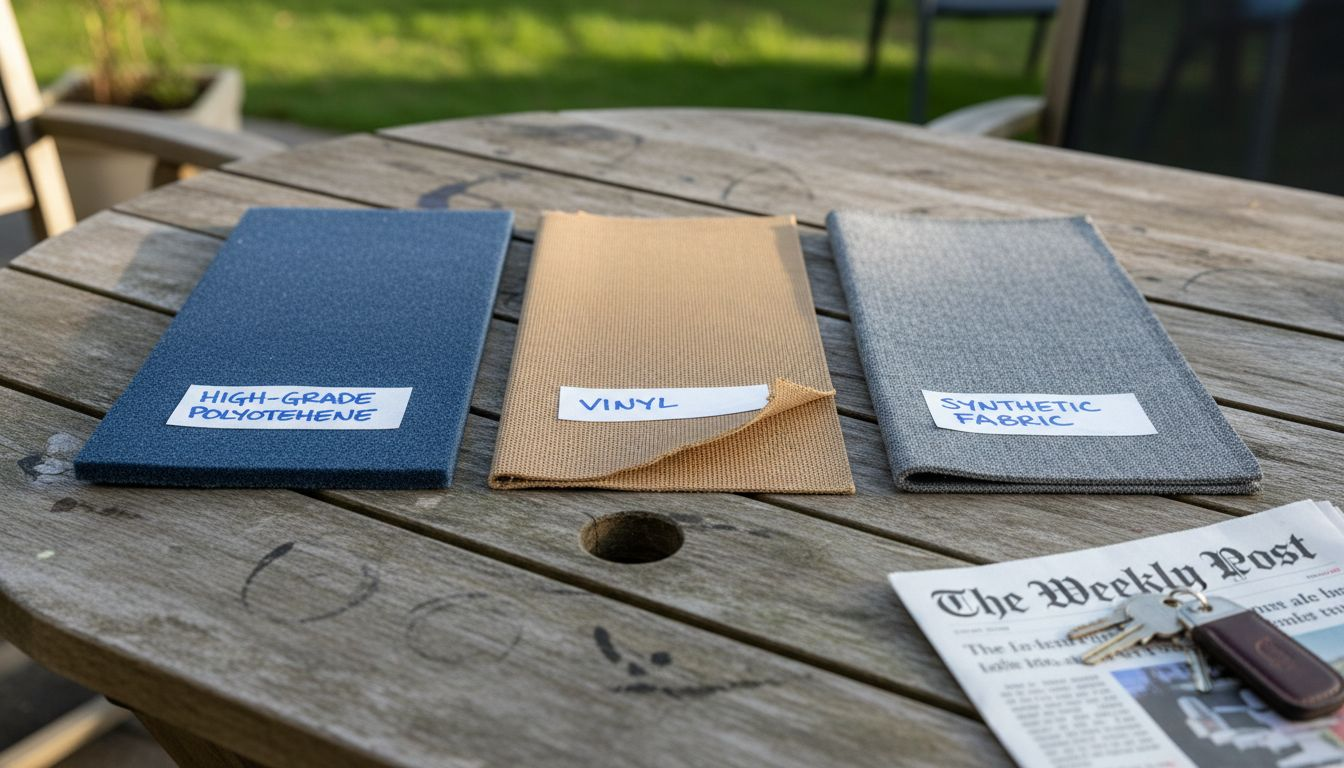
The designs vary a fair bit to suit different tubs and tastes. Standard choices include fitted covers with elastic edges, zip-up enclosures and drawstring styles. The fancier ones add thermal reflective inner linings, water-repellent outer surfaces and mildew-resistant treatments. Some premium covers also build in drainage channels to stop water gathering, plus supports that make them easier to lift off and store away.
Pro tip: Select a thermal cover with a minimum of two insulation layers and UV-resistant exterior coating to ensure maximum protection and heat retention for your inflatable hot tub.
Here is a quick look at popular cover materials and what each brings:
| Material Type | Insulation Value | Durability in UK Climate | Unique Benefit |
|---|---|---|---|
| Polyethylene | High (up to 85%) | Strong, weather-resistant | Lightweight and flexible |
| Reinforced Vinyl | Moderate to high | Excellent puncture resistance | Long-lasting with good seal |
| Synthetic Fabrics | Variable, multi-layered | UV and mildew protection | Enhanced customisable fit |
Where the energy savings come from
A thermal cover is central to getting the most efficiency out of an inflatable hot tub, because it tackles the heat that pours away whenever the tub is sitting idle. Thermal covers reduce energy costs by forming an insulating barrier that stops heat escaping, which counts for a lot given how changeable the British climate is.
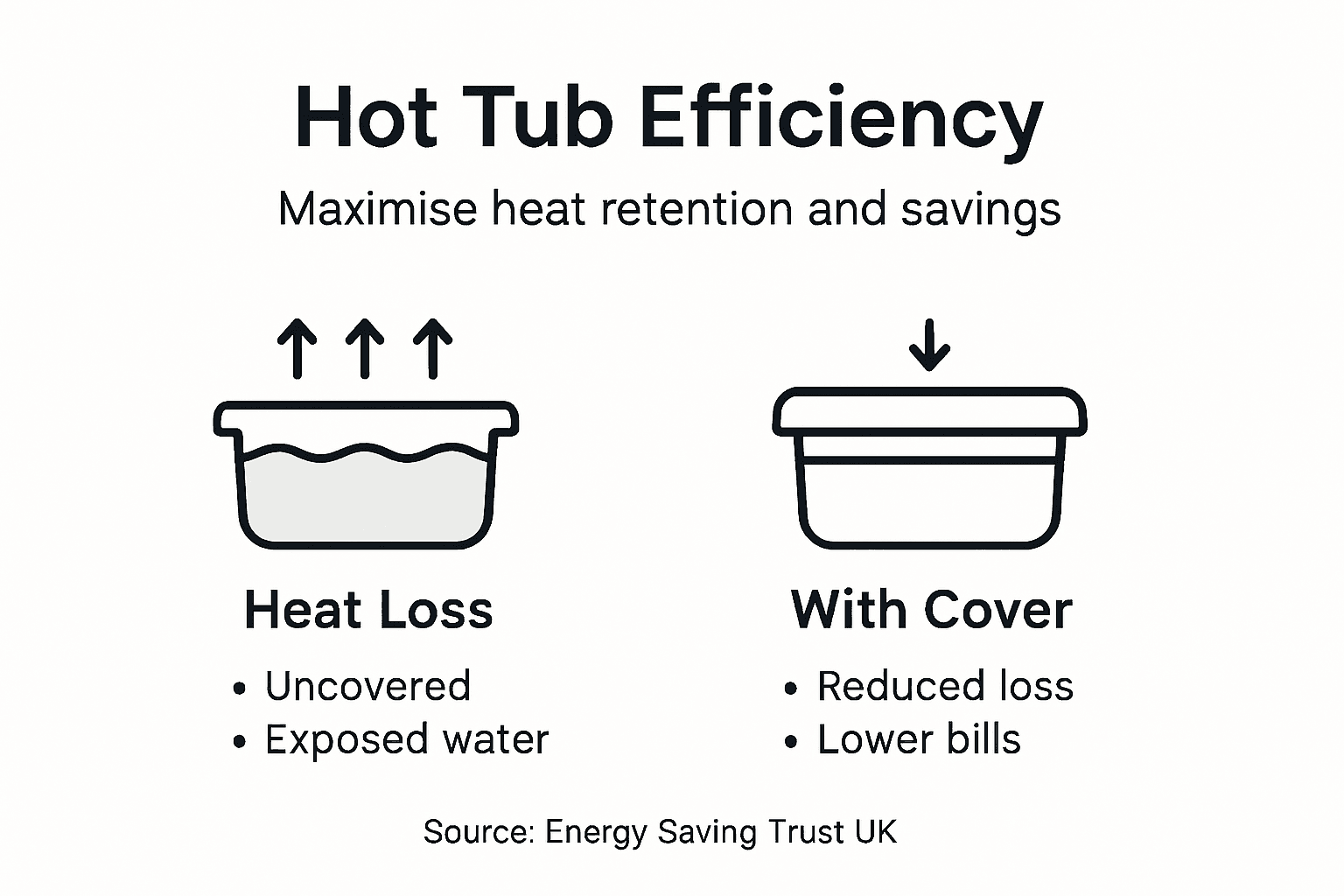
The main thing a cover does is cut heat loss from the water surface. A good one can reduce heat escape by up to 50 percent, and the best-performing models do even better. By sealing tight and stacking up insulation layers, they slow the water cooling right down, so the heater has far less work to do to hold temperature. That saves energy and takes some strain off the heating parts, helping them last longer.
Covers help in a few other ways too. They keep wind, shifts in air temperature and stray debris off the surface, all of which would otherwise speed up heat loss. Some of the smarter designs add reflective inner linings and specialist thermal barriers to lock in even more warmth. By holding a steady water temperature, they let British owners use less energy, which means lower electricity bills and a more sustainable soak.
Pro tip: Invest in a thermal cover with at least two insulation layers and ensure it fits snugly to maximise heat retention and minimise energy wastage.
Fitting, cleaning and looking after it
Getting the fitting and upkeep right is what makes a thermal cover perform and last. A steady, sensible routine keeps its insulating power intact, so it stays efficient and hard-wearing for years.
Fitting well comes down to a few things. Start by making sure the cover matches your tub's dimensions so it seals tight and lets no heat slip out. Most have adjustable straps or elastic edges to suit different sizes. As you fit it, line it up carefully so there are no gaps around the rim, and pay attention to the clips and fastenings that hold it down against the wind, which matters a lot in Britain's unpredictable weather.
Upkeep is mostly regular cleaning and gentle handling to help it last. Use mild, non-abrasive cleaners made for thermal cover materials, and steer clear of harsh chemicals that could break down the protective layers. Clean the surface often to clear debris, keep mould at bay and preserve its water-repellent finish. When you are not using it for a while, especially over winter, store it somewhere dry and temperature-controlled, out of direct sun and away from damp. Check it now and then for wear, looking over the seams, insulation layers and fastenings so you catch any problem before it undermines the cover.
Pro tip: Invest in a soft-bristled brush and specialised thermal cover cleaner to maintain your cover's integrity and prevent premature degradation.
Prices and other cover options
Weighing up cover options means knowing what is out there and what each costs. Beyond a standard thermal cover, British owners have several alternatives, each with its own performance and price.
The market runs to insulated jackets, thermal mats and dedicated pump insulation kits. A full thermal cover is still the most complete option, but these alternatives can give targeted heat retention and equipment protection. An insulated jacket, for example, concentrates on stopping heat loss through the tub's sides and can cut energy use by up to 20 percent. A pump insulation kit protects the mechanical parts, which can extend their life and keep maintenance costs down.
On cost, it is really a question of outlay versus savings down the line. Purchase prices vary a lot: basic thermal covers start around £50, while premium ones reach £250 or more. A better-quality thermal cover is usually the more complete investment, giving stronger insulation, longer life and better efficiency. If budget is tight, partial insulation mats look appealing, but they often trade away overall thermal performance. The most cost-effective route is generally a good thermal cover that protects the whole tub, balancing the upfront price against the energy you save over the tub's lifetime.
This table sets the alternatives against a full thermal cover:
| Cover Solution | Initial Cost Range | Heat Retention Level | Other Key Advantage |
|---|---|---|---|
| Thermal Cover | £50-£250 | Excellent, up to 85% | Full protection, energy saving |
| Insulated Jacket | £30-£100 | Moderate, up to 20% | Side panel insulation |
| Thermal Mat | £20-£60 | Targeted, surface only | Easy placement, budget friendly |
| Pump Insulation Kit | £10-£40 | Minimal, protects pump | Prolongs equipment lifespan |
Pro tip: Calculate your potential energy savings by comparing the thermal performance of different cover solutions against their initial purchase price to make a financially savvy decision.
Get More From Your Tub with Zagosa Spa & Pool
Inflatable hot tubs need a bit of care to hold their heat and keep running costs down. As we have covered, the right inflatable hot tub thermal cover stops heat escaping, guards against weather damage and lifts efficiency. If you would rather not keep reheating from cold and want the heating parts to last, the answer is to pair good insulation with sound water and spa care.
Have a look at our range of well-made hot tub chemicals and spa essentials at Zagosa Spa & Pool to work alongside your thermal cover. Keep the water clean and balanced, add good insulation, and you get a relaxing, efficient tub in every season. Do not wait for heat to slip away or debris to do damage. Visit Zagosa Spa & Pool for dependable products that help your tub perform and last.
Frequently Asked Questions
What is an inflatable hot tub thermal cover?
It is a protective layer made specifically for portable hot tubs that insulates the water and holds in heat, which cuts down how much energy the tub uses.
How do thermal covers save energy?
They form an insulating barrier that limits heat loss, stopping up to 50 percent of the heat escaping. That saves energy and helps the heating parts last longer.
Which materials are used in these covers?
Common ones are high-grade polyethylene, reinforced vinyl and specialist synthetic fabrics, each offering different levels of insulation, toughness and UV protection.
How do I look after my thermal cover?
Clean it regularly with mild, non-abrasive products, store it properly when it is not in use, and check it now and then for wear so it keeps working and lasts.
Recommended
- What is Hot Tub Cover Care? Understanding Its Importance - Zagosa Spa & Pool
- Complete Hot Tub Cover Care Guide for UK Owners 2026 - Zagosa Spa & Pool
- 7 Types of Hot Tub Covers and Their Key Benefits Explained - Zagosa Spa & Pool
- How to Clean Hot Tub Cover: Easy Step-by-Step Guide - Zagosa Spa & Pool