By The Zagosa Team. Published .
Reviewed or updated .
A lot of British owners find that looking after a hot tub takes more than a quick weekly wipe-down. With more than 60 percent of first-timers hitting water clarity problems in their first year, getting to grips with the fundamentals of hot tub care really pays off. For families who have invested in a bit of comfort and relaxation, mastering these basics keeps the spa safe and the equipment running well.
In This Guide
- What Looking After A Hot Tub Involves
- The Main Parts And How To Care For Them
- Managing Water Quality And Chemicals
- Cleaning Schedules And Safe Handling
- The Mistakes To Steer Clear Of
- Seasonal Care For The UK Climate
The Main Points
| Point | Details |
|---|---|
| Test the Water Regularly | Keeping an eye on pH, sanitiser and total alkalinity is what keeps the water safe and stops microbes growing. |
| Equipment Care Means Longevity | Check and clean the key parts, filters, pumps and heaters, to avoid faults and get more life from the tub. |
| Follow the Safety Guidance | Stick to UK rules on hygiene, especially guarding against Legionella, with good records and regular professional checks. |
| Adjust With the Seasons | Change your routine to suit Britain's weather, protecting against freezing in winter and boosting filtration in summer. |
What looking after a hot tub involves
Hot tub care is a fuller job than simple cleaning. At heart it is about managing water quality, keeping bacteria at bay and helping the equipment last. For UK owners that means a systematic approach to water quality management that protects both the kit and the people using it.
The basics are regular water testing, balancing the chemistry and thorough cleaning. That involves checking pH, sanitiser and total alkalinity several times a week. You also need to watch water clarity, inspect the filters and make sure the water circulates. Typical jobs include cleaning the waterline, skimming off debris, checking and swapping filters, and holding the right chemical levels to stop bacteria and protect the equipment.
Health and safety sit at the centre of it all. UK rules, especially the Health and Safety Executive's guidance, stress the need to control risks such as Legionella. In practice that means holding your water temperature, disinfecting properly and keeping detailed records. Regular professional inspections and a set maintenance schedule are worth having so you catch problems before they grow.
Pro tip: Create a dedicated maintenance log to track water chemistry, cleaning dates, and equipment checks, helping you stay proactive and spot potential issues early.
The main parts and how to care for them
A hot tub is made up of several parts that work together to give you a safe, enjoyable soak. Understanding these key components and maintenance requirements is important for any UK owner wanting to protect their investment and keep it working well.
The main parts are the circulation pump, which moves water round the system, the filtration that clears debris and contaminants, and the heating element that holds the temperature. The pump needs a periodic check for wear, odd noises or a drop in flow. Filters are especially important, trapping dirt, oils and potential bacteria. Most manufacturers suggest replacing filters every 12 to 18 months, or a thorough clean every 4 to 6 weeks, depending on how much you use the tub and the water quality.
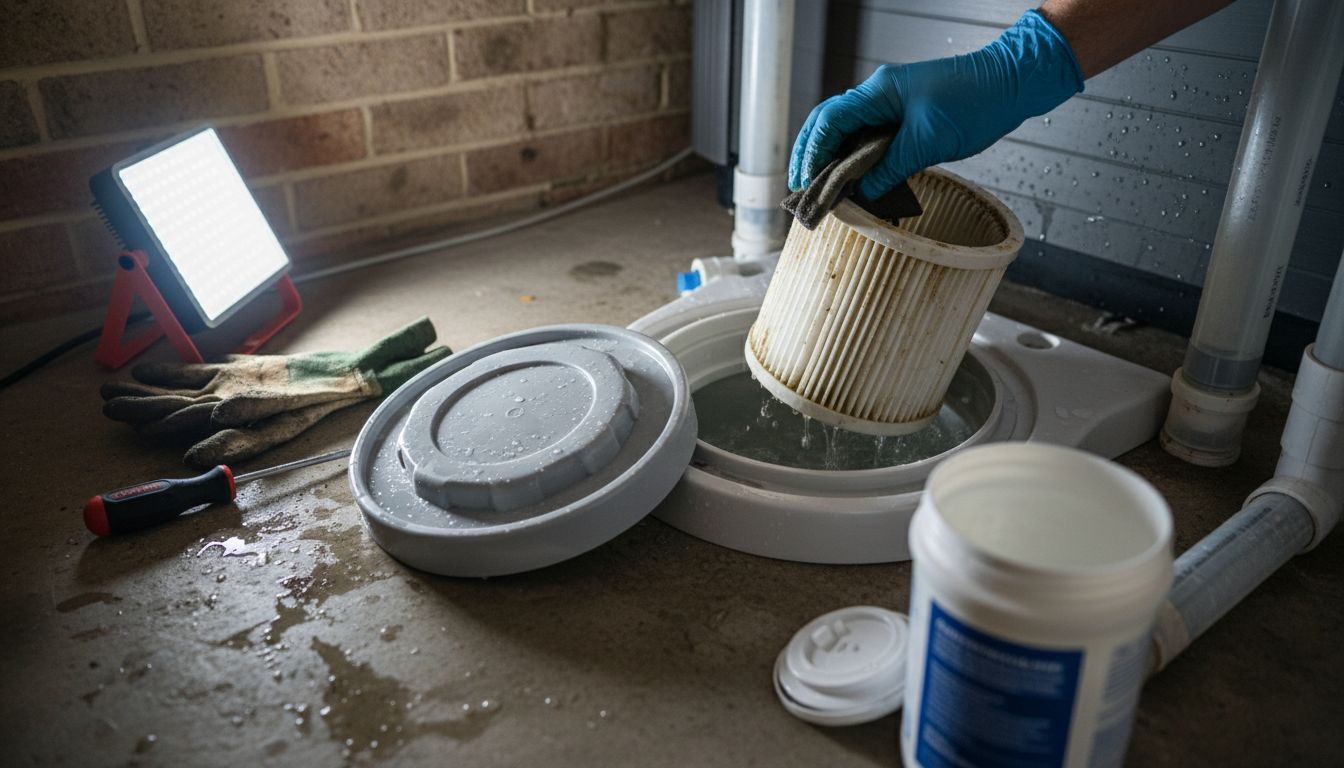
Other important parts include the control panel, which manages the temperature and jets, and the plumbing that keeps water circulating. The electrical systems, including the heaters and control boards, should be checked by a professional each year to head off failures. Keep a close eye on seals, gaskets and connections for wear, leaks or corrosion that could affect performance and safety.
Here is a summary of common component issues and when to check them:
| Component | Common Issues | Inspection Frequency |
|---|---|---|
| Circulation Pump | Noisy operation, low flow | Every 2-3 months |
| Filter Cartridge | Deterioration, blockage | Monthly cleaning, 12-18 months replacement |
| Heating Element | Faults, drops in temperature | Annually by professional |
| Control Panel | Display errors, malfunction | Every 6 months |
| Seals & Gaskets | Leaks, corrosion | Every 3-6 months |
| Plumbing System | Cracks, clogging | Every 6 months |
Pro tip: Create a dedicated maintenance calendar tracking filter replacements, chemical treatments, and professional inspections to ensure consistent and comprehensive hot tub care.
Managing water quality and chemicals
Keeping the water right takes a methodical approach to treatment and ongoing monitoring. Good water management is about understanding the fine balance between chemical treatment, sanitising and regular testing to keep the tub safe and hygienic.
The foundation is holding the chemistry in balance. That means regularly testing and adjusting the pH, which should ideally stay between 7.2 and 7.8. Chlorine or bromine is the main sanitiser, clearing harmful bacteria and stopping microbes growing. Most UK owners should aim for a free chlorine level between 1 and 3 parts per million, with bromine a touch higher at 3 to 5 ppm. Weekly shock treatments break down organic matter and stop chloramines building up, which cause the off odours and skin irritation people complain about.
Beyond the basics, good water management takes a rounded approach. That includes regular filter cleaning, draining and refilling the tub every 3 to 4 months, and using test strips or a digital kit to keep tabs on the chemistry. Watch out for the things that quickly spoil the water, such as body oils, cosmetics and outdoor debris. A firm pre-soak routine, showering and skipping lotions, does a lot to lighten the load on your water.
Pro tip: Invest in a reliable digital water testing kit and create a weekly testing schedule to catch and correct chemical imbalances before they become serious problems.
Cleaning schedules and safe handling
A structured routine is key to holding water quality and getting a long life from the equipment. Safe cleaning practices mean building set routines that protect both the tub and the people using it.
A good cleaning schedule splits into daily, weekly and monthly jobs. Day to day, skim the surface, check the chemical levels and wipe the waterlines to stop scum forming. The weekly work is heavier: clean the filter cartridge, test the chemistry more thoroughly and shock the water to clear contaminants. Monthly you deep clean the filter elements, inspect the equipment for wear and, when needed, drain and properly clean the whole shell.
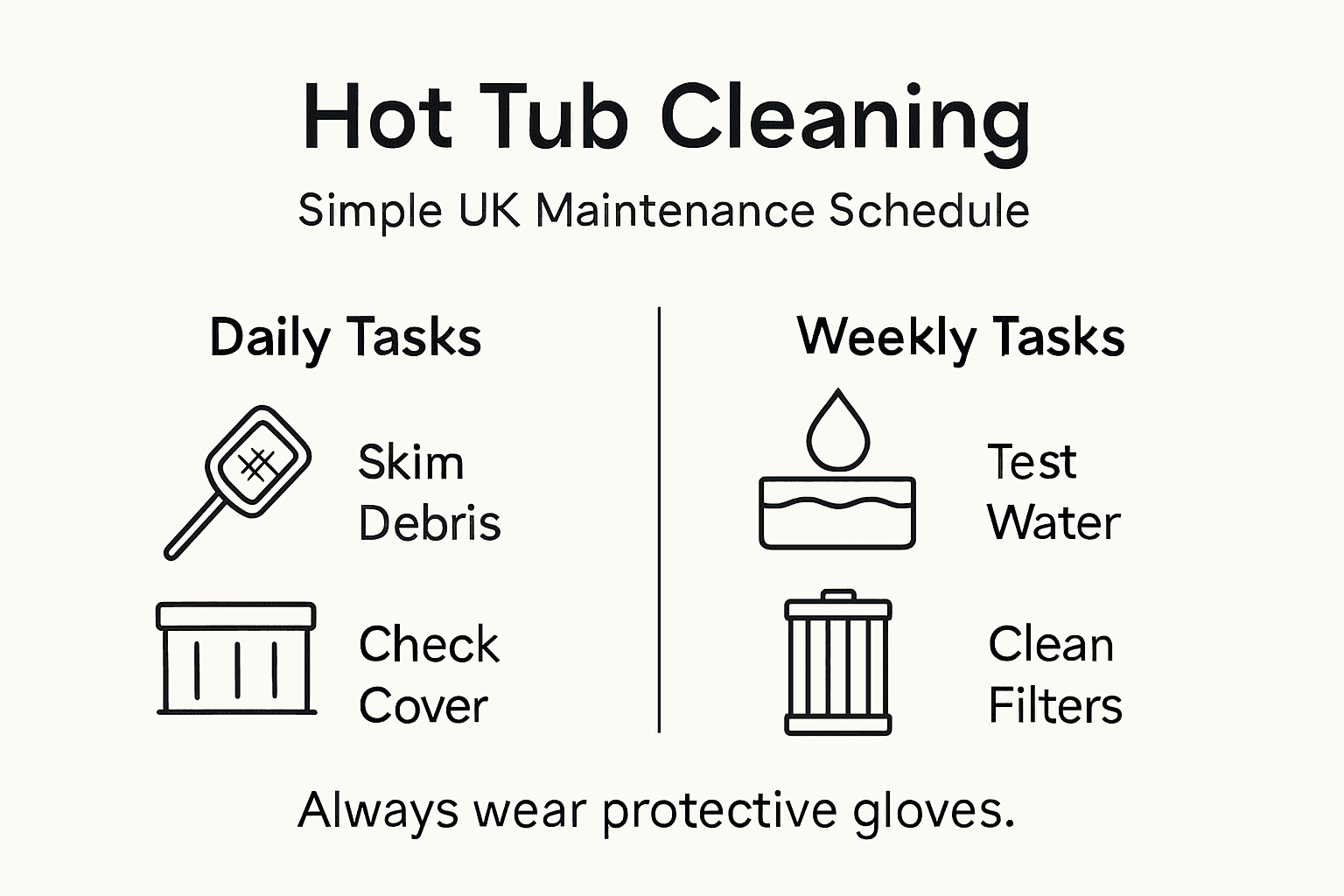
Handle chemicals with real care. Always wear protective gloves and safety glasses when working with hot tub chemicals, and store them somewhere cool and dry, out of direct sun and away from children. Mixing different products can trigger dangerous reactions, so never combine them and always add them to the water separately. Follow the manufacturer's dosing instructions closely, and use measuring tools kept solely for chemical use for accuracy. Proper protective gear and careful handling matter to avoid skin irritation, burns or accidental exposure.
Pro tip: Create a laminated maintenance checklist and display it near your hot tub to track cleaning tasks and ensure consistent, systematic care.
The mistakes to steer clear of
Getting hot tub ownership right means seeing problems coming and heading them off. Dodging the big maintenance errors comes down to being proactive and knowing the warning signs that put your tub's performance and safety at risk.
One of the most common slip-ups is skipping regular water testing. Letting the chemistry drift leads to several issues, from equipment damage to bacterial growth and health risks. Owners often under or over-treat the water, either measuring wrong or leaving it untested for too long. The result can be scale, corrosion of the internal parts and an environment where harmful microbes thrive. A reliable digital tester and a steady testing routine prevent most of this.
Another big one is poor filter care and late replacement. Filters are your main line of defence against debris and contaminants, yet many owners do not clean or replace them often enough. Dirty or worn filters cut circulation, strain the pump and drag down water quality. Signs a filter is failing include reduced flow, rising pressure, visible damage or discolouration. As a rule, cartridge filters should be cleaned thoroughly each month and replaced every 12 to 18 months, depending on use and the manufacturer's advice.
Pro tip: Create a digital maintenance calendar with automatic reminders for water testing, filter cleaning, and chemical treatment to ensure consistent and systematic hot tub care.
Seasonal care for the UK climate
Britain's changeable weather calls for a thought-out approach across the year. Seasonal hot tub maintenance means adapting your care to protect the tub and keep it performing whatever the weather brings.
Winter is the trickiest time. As it gets colder, put freeze protection first. Make sure your insulation cover is good quality and fits securely, cutting heat loss and the risk of water freezing. Ease off the usage in the coldest months and hold the water temperature between 35 and 38 degrees Celsius. If you are leaving it unused for a stretch, think about partly draining the system or using proper winterising steps to protect the internal parts. Keeping the water moving now and then helps prevent stagnation and bacterial growth.
Summer needs a different plan, focused on more filtration and tighter chemical control. Warmer air and heavier use create ideal conditions for bacteria. Test more often, perhaps every two to three days. Adjust the chlorine or bromine to keep pace with more contaminants and more bathers. Extra shock treatments in the peak months help hold hygiene, and running the filtration for longer copes with the added debris and organic matter.
Compare the essential seasonal tasks for UK owners:
| Season | Main Focus | Water Temperature Guidelines | Key Preventative Measure |
|---|---|---|---|
| Winter | Prevent freezing, insulation | 35-38°C | Secure insulation cover, consider partial draining |
| Summer | Increase hygiene, filtration | 34-38°C | Boost chemical treatment, extend filtration cycles |
Pro tip: Create a seasonal maintenance checklist with specific tasks for winter and summer to ensure your hot tub remains in top condition throughout the year.
Raise Your Hot Tub Care with Zagosa Spa & Pool
Keeping your water and equipment in good shape is no small task. Balancing chemicals, staying on top of cleaning and protecting the system through Britain's seasons can feel like a lot. Zagosa Spa & Pool gets exactly these needs and offers well-formulated hot tub chemicals and spa essentials to make your routine simpler while keeping the soak safe and enjoyable.

Lift your hot tub care by browsing our full range of water treatment products. Whether you need reliable sanitisers, filter treatments or testing kits, Zagosa Spa & Pool gives you quality you can rely on. Take control of your tub's health today by visiting Zagosa Spa & Pool and seeing how our products support your whole routine. Do not wait for problems to appear, protect your relaxation now with Zagosa's proven water treatment solutions.
Frequently Asked Questions
How often should I test the water?
Test the chemistry several times a week to keep it balanced and safe. That means checking the pH, sanitiser level and total alkalinity.
What are the key parts and how do I maintain them?
The main parts are the circulation pump, filtration, heating element, control panel and plumbing. Check and clean them regularly, watch for wear and replace filters every 12 to 18 months.
How do I manage my water quality?
Keep it right by testing and balancing the chemistry regularly, using a sanitiser such as chlorine or bromine, and shocking the water weekly to stop bacteria. Drain and refill every 3 to 4 months for good hygiene.
What are the common maintenance mistakes?
The usual ones are skipping regular testing, poor filter care and inconsistent chemical treatment. Avoid them by keeping a steady testing routine, cleaning or replacing filters on time and following the dosing instructions carefully.