By The Zagosa Team. Published .
Reviewed or updated .
Plenty of UK households with hot tubs underestimate the real risks hidden beneath the surface. Many reckon a bit of supervision or regular cleaning is enough, yet accidents and health worries often reveal deeper issues. When it comes to hot tub safety, understanding the facts and telling myth from reality is key. This guide brings some clarity, helping you feel confident in the safety measures that protect your family and your peace of mind.
Table of Contents
- Hot Tub Safety Defined And Common Myths
- Essential Hot Tub Safety Rules UK
- Water Hygiene, Sanitisation, And Chemical Safety
- Electrical, Installation, And Supervision Precautions
- Risks, Liabilities, And Legal Requirements
Key Takeaways
| Point | Details |
|---|---|
| Comprehensive Safety Awareness | Hot tub safety means understanding the risks and putting steps in place, such as proper supervision and access controls. |
| Water Hygiene and Chemical Management | Regular testing and balancing of the chemicals is key to heading off health risks and keeping the soak safe. |
| Electrical Safety Measures | Have all electrical work done by professionals, keep the connections dry and use GFCIs for safety. |
| Legal Responsibilities | Owners have real legal duties to prevent accidents, needing thorough safety measures and insurance cover. |
Hot Tub Safety Defined And Common Myths
Hot tub safety is about far more than just enjoying warm water. Understanding the subtler risks and taking proactive steps can turn your soak from potentially hazardous into genuinely relaxing. The Royal Life Saving Society UK stresses key safety practices that every owner needs to understand.
Contrary to what many think, hot tubs are not inherently safe spaces. A few stubborn myths can lead to dangerous misunderstandings. For example, many people wrongly assume that having an adult present removes all risk when children are around. But water safety guidance shows that constant watchfulness and specific safety habits are essential to preventing accidents.
The key things to get right include holding the water at the right temperature, keeping the chemistry balanced and putting firm access controls in place. Children should never be left unsupervised, and there need to be clear rules about using the tub. Water depth, slip risks and possible entrapment hazards all deserve close attention. Understanding these turns a potential danger zone into a secure, enjoyable spot.
The common myths that undermine safety often revolve around scenarios that feel low-risk. Believing a brief, unsupervised moment is harmless, or that children can look after themselves near water, can end in tragedy. Thorough safety means recognising the dangers, putting preventative steps in place and staying proactive about managing risk. Knowledge, preparation and steady caution are your most powerful tools for a safe soak.
Essential Hot Tub Safety Rules UK
A safe soak takes more than casual awareness. Hot tub safety rules are vital for protecting yourself and your loved ones from potential risks. Understanding and following thorough safety habits can turn your soak from potentially dangerous into genuinely enjoyable.
The basic guidelines cover several key areas. Water safety experts recommend keeping sessions to 15-minute stints, staying properly hydrated and avoiding alcohol. Supervision is paramount, especially when children are present. Everyone needs to understand the specific risks such as regulating the water temperature, possible slip hazards and the importance of keeping the chemistry balanced.
The practical steps involve a few key things. Always keep a secure, lockable cover on the tub when it is not in use to prevent unsupervised access. Fit non-slip matting around the immediate area, keep the water quality up with regular testing and set clear rules for everyone who might use it. Managing the hot tub temperature plays a key part in heading off health risks, with recommended temperatures usually between 37 and 40 degrees Celsius.[2]
Beyond the physical precautions, understanding your own health limits matters just as much. People with existing conditions, pregnant women and those with heart problems should speak to a healthcare professional before using a hot tub. Check the equipment regularly, make sure the electrical connections are secure and never use the tub during an electrical storm. Approach your soak with knowledge, preparation and respect for the safety rules, and you can make it secure and enjoyable for everyone.
Water Hygiene, Sanitisation, And Chemical Safety
Water hygiene in a hot tub needs close attention and a bit of know-how. Hot tub chemical safety is a key part of keeping the spa safe and healthy. The makers' guidance stresses the importance of using chemicals made specifically for hot tub water, keeping both users and the water quality safe.
Good sanitising is about more than just tipping chemicals in. Testing is paramount, needing regular pH checks and precise chemical balancing. Water treatment experts recommend holding the chlorine between 3 and 5 parts per million and keeping the pH between 7.2 and 7.8. Poor chemical management can lead to bacterial growth, sore skin and possible health risks.[1]
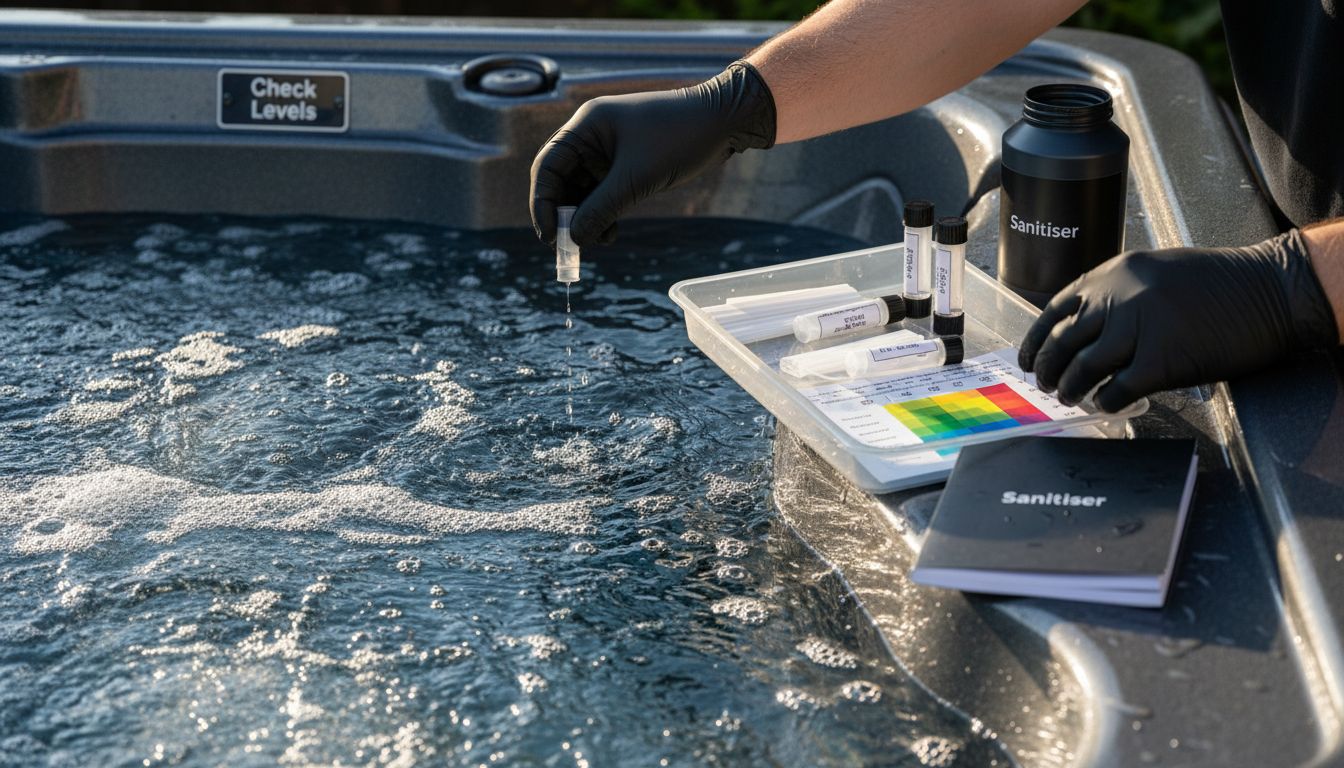
Chemical safety goes beyond how you apply them. Store chemicals in a cool, dry spot out of direct sunlight and out of reach of children. Always add chemicals to water, never water to chemicals, and wear protective gloves and eye protection when handling them. Mixing different products can cause dangerous reactions, so follow the maker's instructions to the letter. Ventilation is vital when working with hot tub chemicals to avoid breathing in potentially harmful fumes.
Regular care is the cornerstone of good hot tub hygiene. Set up a steady cleaning schedule that includes draining and thoroughly cleaning the tub every three to four months. Change the filters regularly, shock the water weekly and run full water quality tests. Approach water management with care and precision, and you can keep the soak safe, hygienic and enjoyable, protecting both your health and your investment.
Electrical, Installation, And Supervision Precautions
Electrical safety is the cornerstone of responsible ownership. The guidance is clear that all electrical connections must be professionally installed by a qualified electrician. This protects against electrical hazards, preventing the risk of short circuits, electrical fires and possible electrocution.
Supervision is paramount, especially with children around. Water safety experts stress how important constant adult supervision and robust access controls are. Fitting a solid, lockable cover keeps out unauthorised access, while setting clear safety boundaries helps head off accidents. Children should never be left unattended near a hot tub, and specific rules must be set and strictly enforced.
Professional installation involves plenty of key considerations beyond the electrical connections. Make sure the tub sits on a stable, level surface that can take its weight when full. Keep adequate clearance around the electrical parts, protecting them from splashes and possible moisture damage. Ground fault circuit interrupters (GFCIs) are essential, cutting the power instantly if there is a possible current leak. Position the tub away from overhead power lines, tree branches and anything else that could interfere with the electrics.
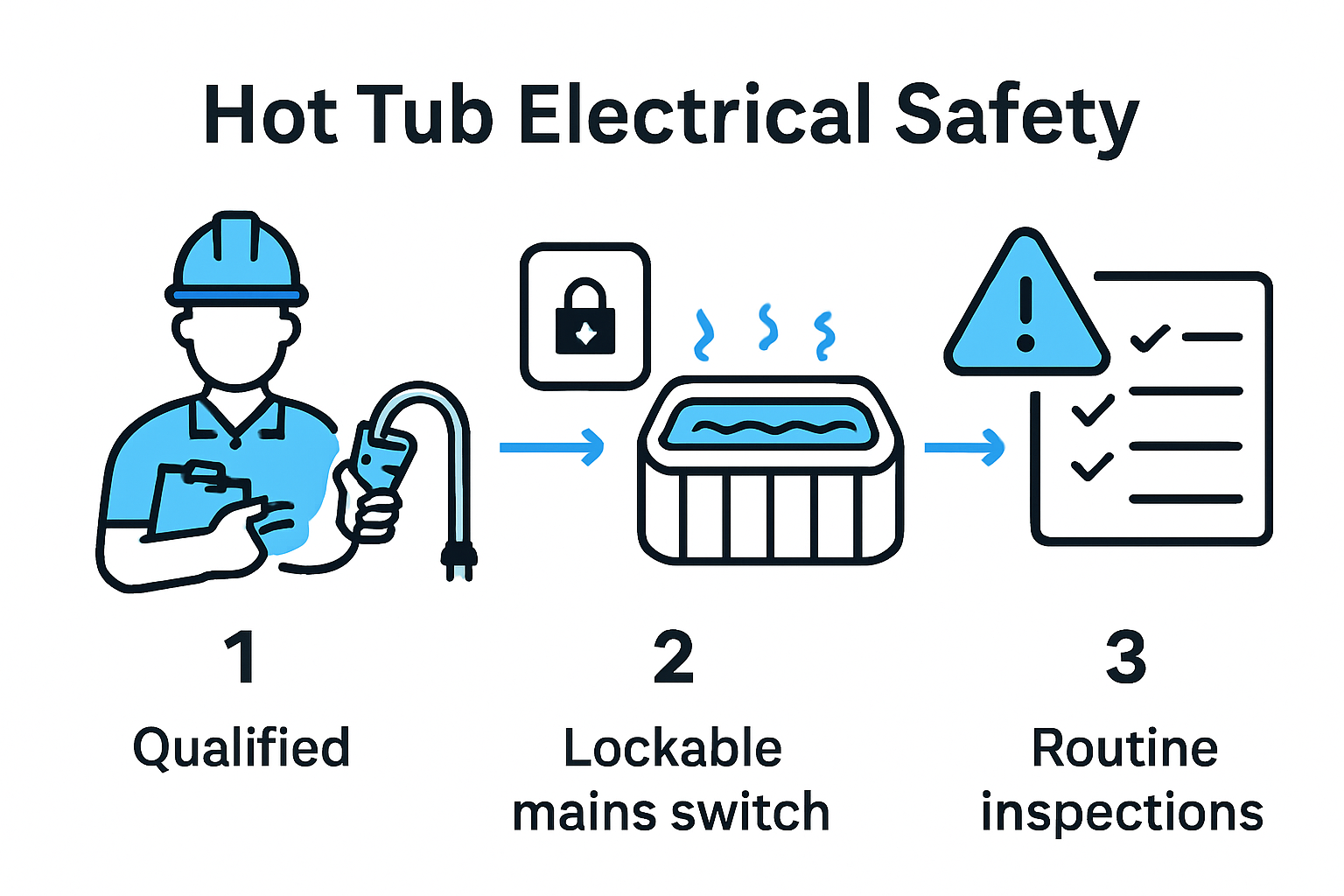
Keeping a thorough safety approach means staying watchful. Regularly check the electrical cables for wear, damage or fraying. Keep all the connections dry and protected from the elements. In bad weather, such as a thunderstorm, disconnect the tub's power supply as an extra precaution. By putting professional installation, strict supervision and ongoing care first, you create a secure setup that protects both users and your valuable investment.
Risks, Liabilities, And Legal Requirements
Legal responsibilities around owning a hot tub go well beyond simple enjoyment. Water safety experts flag the significant risks that come with using a hot tub, stressing that owners carry real legal and moral duties to prevent accidents. Negligence can lead to serious personal injury claims, property damage and possible criminal charges if proper safety measures are not in place.
Safety regulations require thorough precautions to protect vulnerable people, particularly children. Owners must fit secure, lockable covers, put robust fencing or barriers in place and keep constant supervision. Failing to set up adequate safety measures could lead to serious legal consequences, including possible prosecution for criminal negligence if an accident happens because of insufficient safety.
Managing risk involves several key considerations. Owners must hold thorough insurance cover that specifically deals with hot tub incidents. That includes documenting regular maintenance, ensuring the electrics comply and keeping detailed records of safety checks. A professional risk assessment can help pinpoint hazards, showing a proactive commitment to safety and potentially reducing your legal liability should something go wrong.
Understanding the full scope of the legal requirements calls for professional guidance. Talk to your local authority, your insurer and legal professionals to fully grasp the specific rules on hot tub ownership in your area. Documentation, rigorous safety habits and a clear commitment to prevention are your strongest defences against legal trouble. By treating safety as the top concern, you protect not just your finances but, more importantly, the lives and wellbeing of anyone who might use your tub.
Keep Your Hot Tub Safe and Sparkling with Zagosa Spa & Pool
Hot tub safety needs careful attention to water hygiene, chemical balance and temperature control, as this guide has highlighted. If you want to protect your loved ones and enjoy a worry-free soak, dealing with these challenges is key. The stress of a potential accident or infection can be avoided by using trusted, quality products made specifically for hot tub care.
Take charge of your hot tub's safety today by choosing quality water treatment products from Zagosa Spa & Pool. Our hot tub chemicals are thoroughly tested to keep the water clean and balanced, helping you hold the recommended pH and sanitiser levels mentioned in this guide. Protect your investment and your wellbeing by exploring our full range of spa essentials and benefiting from expertly made solutions. Visit Zagosa Spa & Pool now to kit yourself out with the best tools for a safer, healthier soak.
Frequently Asked Questions
What are the essential safety rules for using a hot tub?
A safe soak means keeping sessions to 15 minutes, staying hydrated, avoiding alcohol and supervising children at all times. Put safety measures in place, such as a lockable cover and clear rules for use.
How can I ensure proper water hygiene and chemical safety in my hot tub?
To keep the water hygienic, check the pH regularly and hold the chlorine between 3 and 5 parts per million. Store chemicals securely, add them to water (not the other way round) and follow the maker's instructions carefully to avoid harmful reactions.
What precautions should I take regarding electrical safety with my hot tub?
Always have the electrical connections installed by a qualified electrician. Check the cables for wear, fit ground fault circuit interrupters (GFCIs) and keep the tub away from overhead power lines to avoid electrical hazards.
What are the legal responsibilities of hot tub ownership?
Owners have legal duties to prevent accidents, particularly keeping access secure from children. That includes providing lockable covers, keeping fencing or barriers in place and setting up safety habits to reduce risk and potential liability.
Recommended
- Hot Tub Temperature Setting Guide: Complete UK Resource - Zagosa Spa & Pool
- 7 Essential Things You Need for a Hot Tub in the UK - Zagosa Spa & Pool
- Hot Tub Relaxation Benefits: Complete Guide UK - Zagosa Spa & Pool
- 7 Essential Types of Hot Tub Accessories for UK Owners - Zagosa Spa & Pool
- Campfires: How To Enjoy Them Safely - Tent Explorer
Sources and review
Reviewed on . Next review due .
- HSG282: The control of legionella and other infectious agents in spa-pool systems - Health and Safety Executive
- Guidelines for safe recreational water environments. Volume 2: swimming pools and similar environments - World Health Organization