By The Zagosa Team. Published .
Reviewed or updated .
It surprises a lot of British owners to learn that a single untreated spa can hold thousands of invisible bacteria within days. Clean water is about more than comfort; it protects you from the hidden health risks that thrive in warm tubs. With so many products and methods on sale across the UK, knowing what actually works makes all the difference to keeping spa water safe and refreshing.
In This Guide
- What Sanitising Spa Water Actually Means
- The Sanitiser Types UK Owners Use
- How Sanitisers Work In Practice
- Keeping Balance And Testing The Water
- The Mistakes Owners Make When Sanitising
- Choosing Zagosa-Approved Solutions
The Main Points
| Point | Details |
|---|---|
| Good Sanitising is Essential | Spa water must be sanitised systematically to protect users from harmful microorganisms by managing chemical concentrations. |
| Regular Testing is Crucial | Use a reliable test kit to check chemical levels at least twice a week for good sanitising. |
| Pick the Right Sanitiser | Choose from established types such as chlorine, bromine, mineral and salt-based systems to suit your spa. |
| Avoid Common Mistakes | Steady upkeep and accurate chemical management are vital to prevent biofilm and keep treatment effective. |
What sanitising spa water actually means
Sanitising spa water is a vital job that goes well beyond a simple clean. It is about creating a safe, hygienic environment that protects users from potentially harmful microorganisms. At its heart, sanitising means systematically clearing out the dangerous bacteria, viruses and other pathogens that thrive in warm water.
The science of sanitising involves carefully managing chemical concentrations to inhibit microbial growth and prevent contamination. Microorganisms like Escherichia coli and Pseudomonas aeruginosa can multiply fast in a poorly kept tub, posing real health risks. By holding precise chemical balances and following strict water hygiene routines, owners can neutralise these threats.
Understanding sanitising means taking a rounded, risk-based approach that protects water quality from the source through to use. That is not just treating the water now and then, but building consistent safeguards that prevent contamination across the whole spa system. It involves watching the chemical levels, regularly cleaning the filtration and understanding how the surroundings can affect water quality.
Hot Tip: Invest in a reliable water testing kit and check your spa water chemistry at least twice weekly to maintain optimal sanitisation levels.
The sanitiser types UK owners use
Spa sanitisers in the UK are carefully regulated products made to clear harmful microorganisms and hold water quality. These sanitisers can be classified as biocidal products primarily focused on killing germs and disinfecting water, with specific oversight from the Health and Safety Executive (HSE).
Two main categories dominate the UK market: chlorine-based and bromine-based solutions. Chlorine stays popular for its strong disinfecting power, while bromine has particular advantages in hot water. Both are oxidising agents that break down and neutralise bacteria, viruses and other harmful microorganisms that could make spa water unsafe.
Beyond the traditional chemicals, modern treatment includes options such as mineral sanitisers and salt-based systems. These gentler routes reduce the chemical intensity while still holding solid hygiene standards. Effective sanitisation requires careful consideration of dilution, contact time, and proper storage to minimise potential health risks.
Here is a breakdown of popular sanitiser options and how they differ:
| Sanitiser Type | Main Advantages | Key Considerations | Best Used For |
|---|---|---|---|
| Chlorine-based | Rapid bacteria elimination | Strong odour; pH control | General spa disinfection |
| Bromine-based | Stable in hot water; gentle | Costlier than chlorine | High-temperature spas |
| Mineral sanitiser | Low chemical levels | May require supplements | Sensitive skin users |
| Salt-based system | Automated sanitisation | Initial setup expense | Continuous, low-effort care |
Pro Tip: Consider rotating between different sanitiser types every few months to prevent microorganism resistance and maintain optimal water quality.
How sanitisers work in practice
Chemical sanitisers operate through a sophisticated two-stage process designed to eliminate harmful microorganisms in spa water. The first stage is a thorough clean, lifting out visible organic matter and debris to prepare the water for effective sanitising. This step matters, because it lets the sanitising agents work more efficiently by clearing away the physical barriers that can shield bacteria.
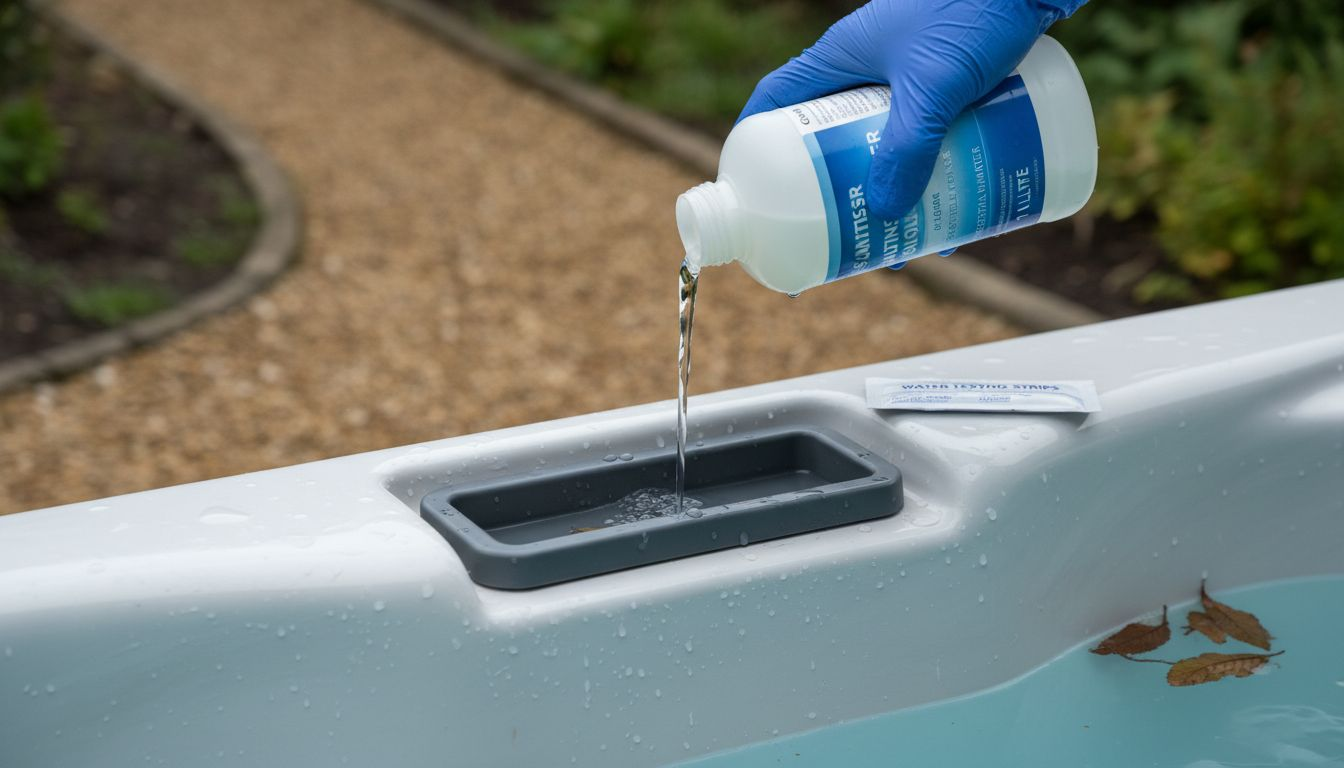
The sanitising itself relies on carefully worked-out chemical reactions that break down bacterial cell structures and stop microbes reproducing. Different agents work in their own ways - chlorine compounds, for instance, oxidise bacterial cell walls, while bromine-based solutions hold up more steadily in high temperatures. These chemicals neutralise pathogens by breaking down their cell structures and taking away their ability to multiply.
Addressing specific risks like Legionella bacteria requires consistent monitoring and targeted water treatment strategies, particularly in warm water environments such as hot tubs. Owners must hold precise chemical concentrations, keep the water circulating and test regularly to create conditions that are hostile to bacteria. It takes ongoing attention, with dosages balanced carefully to get the most disinfection while keeping users safe.
Pro Tip: Invest in a digital water testing kit that provides precise chemical readings, allowing you to maintain optimal sanitisation levels with scientific accuracy.
Keeping balance and testing the water
Spa water quality maintenance requires systematic and precise sampling techniques that go beyond a quick look. Good testing means taking representative samples with sterile equipment and checking several key parameters. Owners should focus on the main indicators, including pH, sanitiser concentration, bacterial presence and overall chemical make-up, to keep the water safe and hygienic.
The fine balance of spa water chemistry needs continuous monitoring and steady adjustment. Temperature, pH, clarity and chemical contaminant levels all have to be controlled to avoid conditions that let microbes grow. Each parameter interacts with the others, so a change in one can swing the overall quality. Chlorine and bromine levels, total alkalinity and calcium hardness all play their part in keeping a stable, safe spa.
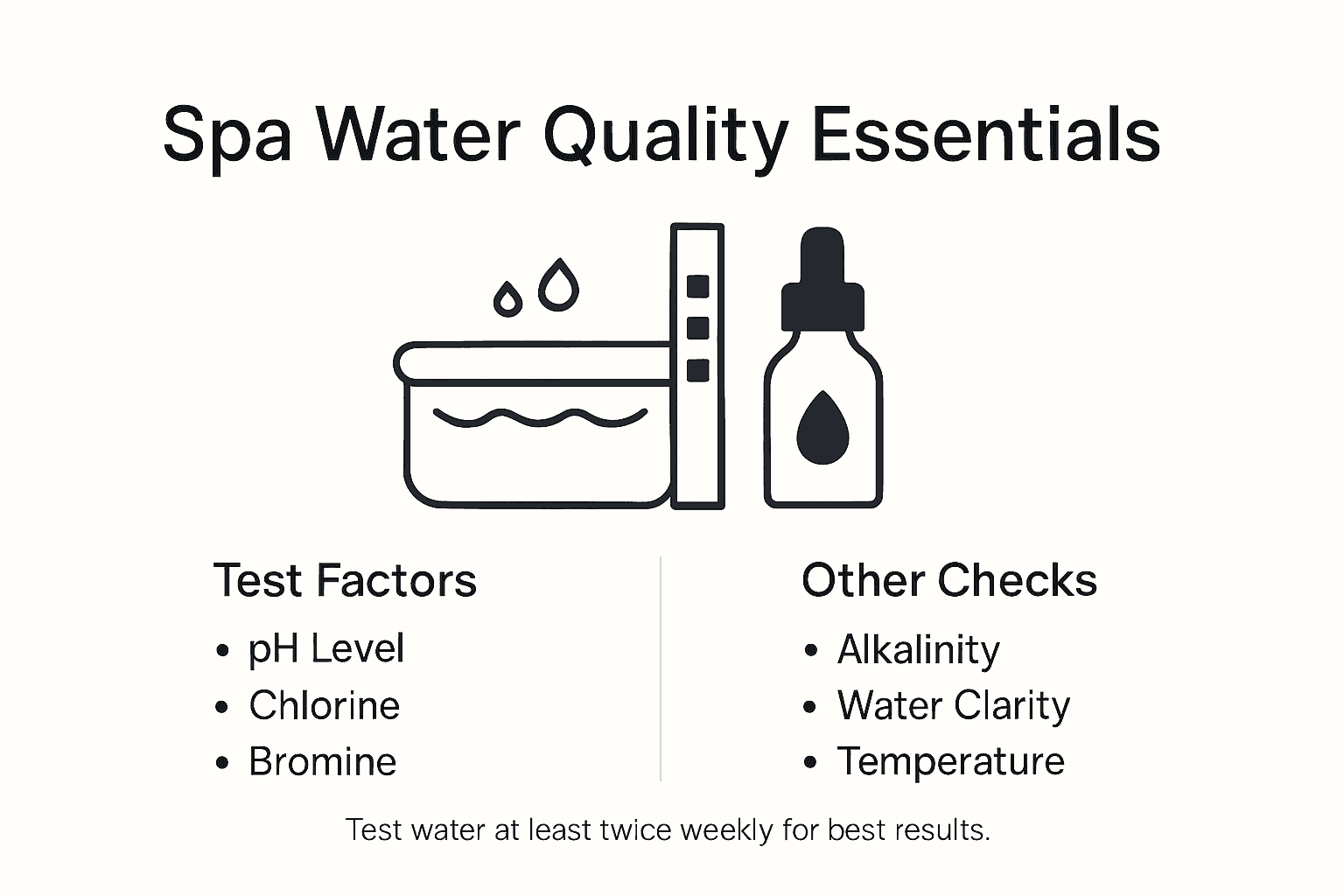
Regulatory compliance and routine testing are essential for preventing water-related health risks. Professional-grade test kits let owners run thorough analyses and catch potential issues before they become serious. These tests go beyond a visual check, picking up subtle imbalances that could threaten user safety or equipment performance.
The table below sums up the essential water testing parameters and what they are for:
| Parameter | Purpose | Recommended Range |
|---|---|---|
| pH level | Controls effectiveness | 7.2 - 7.6 |
| Sanitiser level | Ensures germ elimination | Chlorine: 3-5 mg/L |
| Alkalinity | Protects against pH swings | 80-120 mg/L |
| Calcium hardness | Prevents corrosion/scaling | 150-250 mg/L |
Pro Tip: Develop a consistent water testing schedule, checking chemical levels at least twice weekly and recording results to track trends and quickly identify potential water quality issues.
The mistakes owners make when sanitising
Sanitising spa water involves complex chemical management that is easily undermined by a few overlooked errors. One of the most common is inconsistent upkeep, which lets harmful biofilms build up fast in warm water. Owners often underestimate how quickly microbes take hold, thinking the odd clean will do when steady, systematic treatment is really what is needed.
Getting the chemicals wrong is another serious error. Many owners fail to hold precise pH and sanitiser concentrations, which sharply reduces how well their chosen disinfectant works. Poorly balanced water can render the sanitiser ineffective, creating conditions where bacteria multiply despite apparent treatment. This delicate balance needs careful, consistent monitoring and adjustment for good water quality and user safety.
Perhaps the most dangerous mistake is the improper use of biofilm control agents, which can actually drive antimicrobial resistance in the microbes present. Owners can unintentionally create tougher bacterial populations by using products inconsistently or at the wrong concentrations. Understanding the subtle interplay between chemical treatments and how microbes adapt is key to keeping the water truly hygienic.
Pro Tip: Develop a structured spa maintenance log to track chemical treatments, testing results, and cleaning schedules, helping you identify patterns and prevent recurring water quality issues.
Choosing Zagosa-approved solutions
Selecting approved sanitising solutions requires understanding rigorous UK regulatory standards that ensure product safety and performance. Zagosa-approved products go through extensive evaluation by bodies such as the Medicines and Healthcare Products Regulatory Agency (MHRA), which carefully assesses antimicrobial effectiveness, chemical make-up and potential health implications.
Choosing well means looking at several key factors beyond basic disinfection. Compliance with Control of Substances Hazardous to Health (COSHH) regulations becomes paramount, so sanitising solutions meet strict safety standards. That involves weighing the recommended concentrations, understanding exactly how to apply them and confirming the solution protects thoroughly without adding new health risks.
Beyond the regulations, effective Zagosa-approved solutions have to perform consistently across different spa settings. Factors such as water temperature, chemical stability and compatibility with different spa materials all matter. Owners and enthusiasts should look past marketing claims and focus instead on validated performance that guarantees reliable treatment and safety.
Pro Tip: Always cross-reference manufacturer instructions with independent testing data and maintain detailed records of each sanitising product's performance and application.
Get Safe, Sparkling Spa Water with Zagosa Spa & Pool
Holding the fine chemical balance in your hot tub is no simple job. This article has flagged the key challenges, controlling pH, sanitiser concentrations and preventing the biofilms that threaten your spa's hygiene and your health. With Zagosa's tested range of water treatment products, you can tackle these issues with confidence every day. Our solutions are made to help you keep good sanitising, prevent microbial growth and meet the UK standards mentioned above.
Take charge of your routine now and steer clear of common mistakes like inconsistent monitoring or improper sanitiser use. Explore our comprehensive selection including specialist hot tub chemicals made for easy, effective water management.

Lift your spa experience with Zagosa Spa & Pool and enjoy the peace of mind that your water quality is in expert hands. Visit Zagosa's homepage today to find the right products to support your sanitising and ensure a safe, refreshing soak every time.
Frequently Asked Questions
Why does sanitising spa water matter?
Sanitising is vital for clearing harmful microorganisms such as bacteria and viruses, creating a safe environment for users.
Which sanitisers are most common?
The most common are chlorine-based and bromine-based solutions. Each has its own strengths depending on your spa conditions.
How often should I test my sanitiser levels?
Test the water at least twice a week to keep sanitising levels right and users safe.
Which sanitising mistakes should I avoid?
Common ones include inconsistent upkeep, poor chemical balancing and improper use of biofilm control agents, all of which can undermine water quality.