By The Zagosa Team. Published .
Reviewed or updated .
Choosing the right sanitiser can leave British spa and hot tub owners scratching their heads. Warm spa water is a perfect home for bacteria and viruses to multiply, and studies suggest more than 60 percent of unmaintained spas can harbour harmful microorganisms. Getting the sanitising right protects your health and makes every soak more enjoyable and worry-free. This guide explains how sanitisers work, which options suit British owners best and how to sidestep the common mistakes.
In This Guide
- What Sanitisers Are And What They Do
- The Main Spa Sanitisers Compared
- How Sanitisers Remove The Risks
- UK Rules And Safe Sanitiser Use
- Steering Clear Of Common Sanitiser Mistakes
The Main Points
| Point | Details |
|---|---|
| What Sanitisers Do | Sanitisers are essential for cutting the microbes in spas, keeping users safe and holding hygiene standards. |
| Types of Sanitisers | Different formulations bring different benefits; choosing the right type is essential for managing spa water well. |
| Common Mistakes | Wrong dosing and skipping regular testing can undermine safety, so precise measurement and monitoring matter. |
| Regulatory Compliance | Following UK rules is vital for safe use; regular staff training and records help keep standards up. |
What sanitisers are and what they do
Sanitisers are chemical agents made to cut the microbes in a spa, keeping the water clean and safe. These treatments go after harmful microorganisms, heading off health risks while holding good hygiene. Water sanitisers work by steadily bringing bacterial counts down to safe levels without harming human tissue.
In a spa, sanitisers do more than simply clean. They neutralise potential pathogens such as bacteria, viruses and fungi that thrive in warm, moist conditions. Unlike harsh disinfectants, spa sanitisers are made to be gentle enough for direct skin contact while still hitting microbes hard. That fine balance keeps users safe and the microbial control thorough.
Spa sanitisers mainly work through chemical reactions that break down microbial cell structures, leaving dangerous organisms unable to reproduce or survive. Common active ingredients include chlorine, bromine and mineral-based compounds that give lasting protection against contamination. By holding steady sanitiser levels, owners can create water that feels fresh, clean and genuinely safe for everyone.
Pro tip: Regularly test your spa water's sanitiser levels using precise testing strips to ensure optimal microbial protection and maintain a consistently hygienic spa environment.
The main spa sanitisers compared
Spa sanitisers come in several distinct forms, each with its own advantages for water quality and safety. Alcohol-based sanitisers are one main category, known for fast antimicrobial action and broad effectiveness. They typically contain varying alcohol concentrations plus other active ingredients that help them neutralise harmful microorganisms quickly.
Chlorine and bromine-based sanitisers make up another key category in spa water management. Chlorine is prized for being cheap and a powerful disinfectant, though prolonged use can cause corrosion. Bromine is a more stable option, performing very well in the high temperatures typical of spas. Quaternary ammonium compounds are yet another choice, valued for being non-corrosive and giving extended protection against microbial growth.
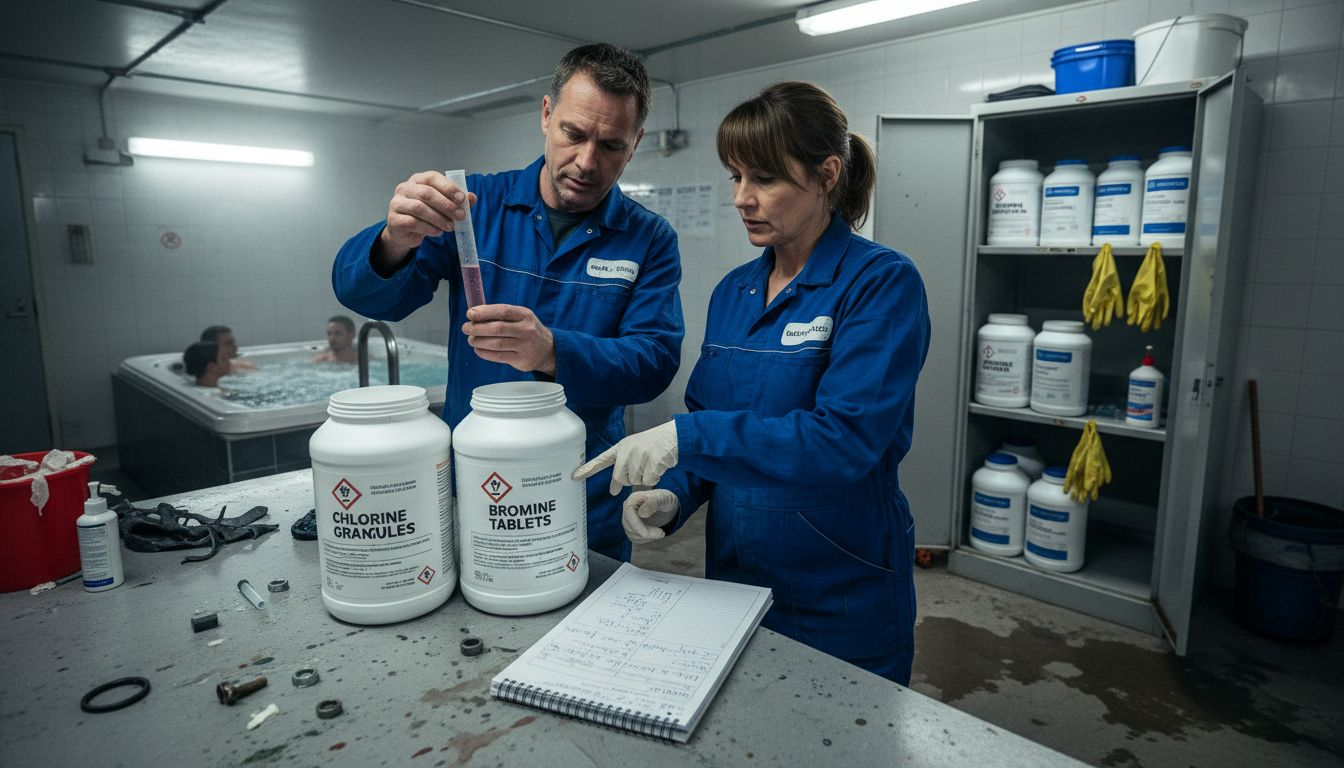
Which sanitiser suits you depends on several things, including water temperature, how often the spa is used and your particular hygiene needs. Each type has its strengths: alcohol-based solutions clear microbes fast, chlorine gives economical broad-spectrum protection, and quaternary compounds deliver lasting antimicrobial effects. Owners should weigh these carefully to settle on the right approach for their setting.
Here is a comparison of the main sanitiser types and their key features:
| Sanitiser Type | Best Use Scenario | Advantages | Drawbacks |
|---|---|---|---|
| Alcohol-based | Quick disinfection | Fast action, broad protection | Evaporates quickly |
| Chlorine | General spa use | Economical, reliable sanitation | May cause corrosion, odours |
| Bromine | High-temperature spas | Stable at high heat, gentle on skin | Higher cost, slow dissolution |
| Quaternary compounds | Continuous treatment | Non-corrosive, long-lasting | Reduced efficacy in hard water |
Pro tip: Rotate between different sanitiser types periodically to prevent microbial resistance and maintain comprehensive water treatment effectiveness.
How sanitisers remove the risks
Spa sanitisers work through clever biochemical mechanisms built to protect users from microbial threats. They break down microbial cell structures, going after the basic integrity of harmful organisms. By attacking cell membranes and metabolic processes, these agents neutralise bacteria, viruses and other pathogens that could put spa users' health at risk.
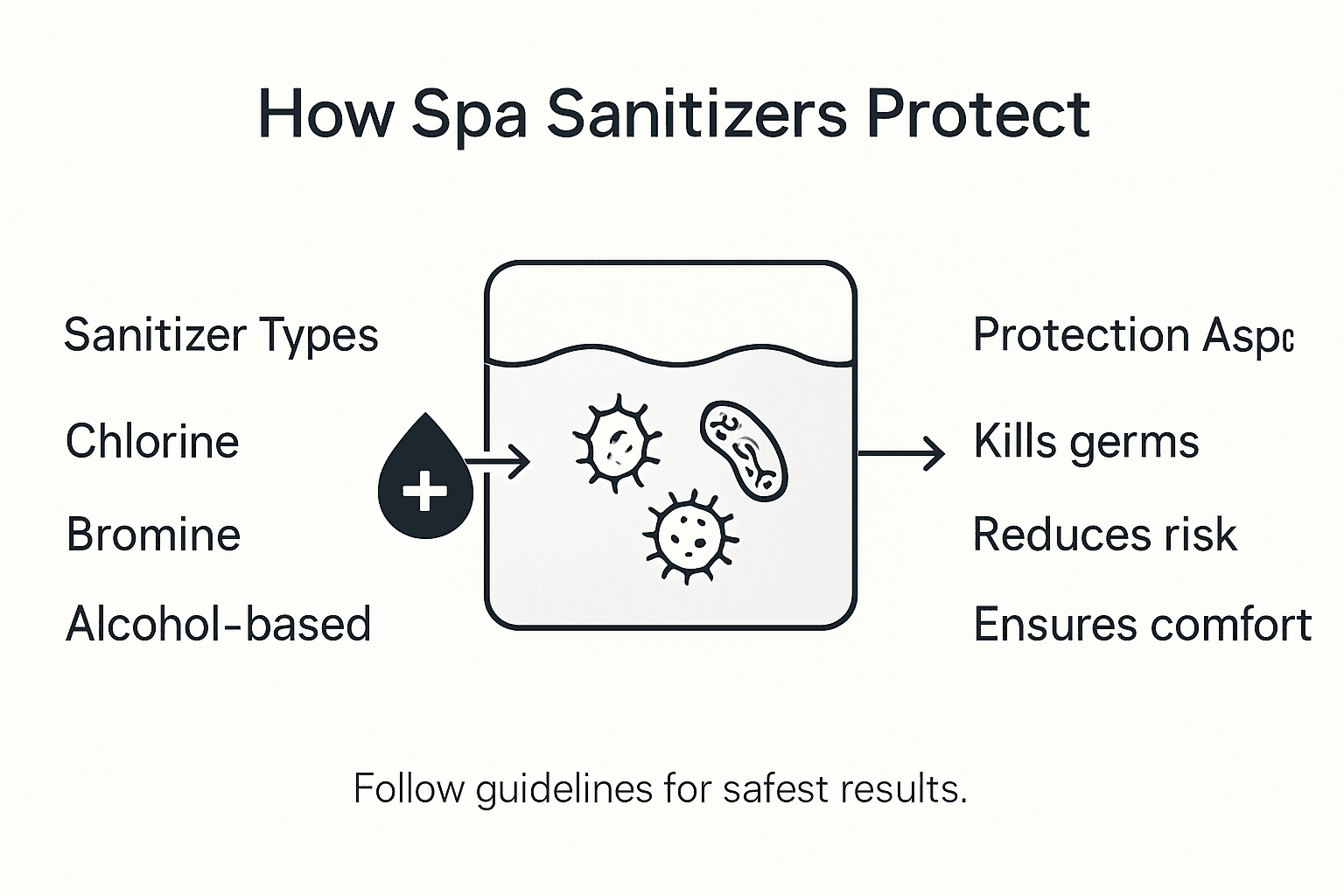
Alcohol-based sanitisers show a particularly striking way of clearing pathogens. These formulations specifically target lipid membranes of infectious agents, causing rapid cellular destruction. The alcohol concentration, how it is applied and the contact time all decide how effective the process is. Good spa sanitisers use this to create water that is not just clean but thoroughly protected against infectious microbes.
Removing health risks through sanitising takes several approaches at once. Different sanitisers hit microbes in different ways - some disrupt cellular metabolism, others break down membranes, and some stop microbes reproducing. This layered defence gives thorough protection, cutting the chance of disease spreading and making the spa safer and more comfortable for everyone.
Pro tip: Maintain optimal sanitiser effectiveness by following manufacturer guidelines precisely and regularly testing water chemistry to ensure consistent microbial protection.
UK rules and safe sanitiser use
The UK has strict rules on sanitiser use in spas, designed to protect both users and the environment. Comprehensive regulations including the Control of Substances Hazardous to Health (COSHH) and Biocidal Products Regulations set rigorous standards for choosing, applying and managing sanitisers. These legal requirements lay down precise procedures for handling chemical agents, so spa operators put solid safety measures in place throughout their sanitising.
For spa sanitisers sold as cosmetic products, extra compliance becomes important. UK cosmetic regulations impose strict requirements on product safety, labelling, and consumer protection, with the Responsible Person legally accountable for meeting the notification standards. These rules cover detailed assessments of chemical make-up, potential health impacts and clear communication of a product's characteristics to users.
Safe sanitiser practice goes well beyond ticking the regulatory box. Operators need to develop full training programmes for staff, ensuring a thorough grasp of chemical handling, proper dilution and emergency response. This rounded approach ties the legal requirements to practical safety, creating an environment that puts user protection first while keeping hygiene high.
Pro tip: Conduct quarterly staff training sessions and maintain detailed documentation of sanitiser usage to demonstrate ongoing regulatory compliance and commitment to safety.
Steering clear of common sanitiser mistakes
Spa operators often run into serious errors in how they apply sanitiser, which can badly undercut water safety and users' health. Common sanitisation mistakes often stem from improper usage techniques, which weaken the treatment and can raise the risk of infection. Knowing these pitfalls is essential for keeping a spa hygienic and safe.
One common mistake is getting the concentration and measurement wrong. Managers sometimes underestimate the precision needed when adding treatments, ending up with either too little microbial control or too much chemical exposure. Overdoing the sanitiser can cause skin irritation, while underdosing creates breeding grounds for harmful bacteria. Steady, accurate measurement with calibrated tools, and following the manufacturer's guidelines, is key to avoiding these hazards.
Another big error is skipping regular testing and sanitiser rotation. Spa water needs active management, with sanitiser levels always shifting due to things like how many people use it, the temperature and the conditions. Leaning on a single approach, or failing to watch the balance, opens up microbiological weak spots. A systematic testing routine, an understanding of how the chemistry interacts and a willingness to adapt your approach are all fundamental to good spa hygiene.
The table below highlights common sanitising mistakes in spas and how to prevent them:
| Mistake | Risk Involved | Best Prevention Method |
|---|---|---|
| Incorrect dosing | Skin irritation or poor hygiene | Use calibrated measuring equipment |
| Skipping water testing | Bacterial growth risk | Implement regular digital testing |
| Not rotating sanitisers | Pathogen resistance | Alternate sanitiser types periodically |
| Incomplete staff training | Safety protocol failures | Schedule quarterly training sessions |
Pro tip: Invest in digital water testing equipment and maintain a detailed log of sanitiser applications to track chemical levels and ensure consistent, safe spa water management.
Keep a Safe, Inviting Spa with Zagosa Spa & Pool
Keeping your spa water safe and comfortable takes careful sanitiser use and regular testing. Preventing microbial growth, avoiding the common mistakes and staying on the right side of UK rules can feel like a lot. Zagosa Spa & Pool understands these worries and offers a trusted selection of quality water treatment products made to support your spa's health and hygiene.

Improve your soak by choosing from Zagosa's wide range of carefully formulated sanitisers and spa essentials. Whether you want efficient chlorine or bromine options, gentle quaternary compounds or other specialist products, we offer tested solutions that protect your users and preserve your equipment. Do not compromise on safety or comfort - visit Zagosa Spa & Pool today for expert-recommended products and to keep your water chemistry right. Act now to protect your investment and enjoy a fresh, clean spa with confidence.
Frequently Asked Questions
What are spa sanitisers and how do they work?
Spa sanitisers are chemical agents that cut the microbes in the water, keeping it clean and safe. They break down microbial cell structures, neutralising harmful bacteria, viruses and fungi.
What are the main types available?
The main types are alcohol-based sanitisers, chlorine and bromine-based sanitisers, and quaternary ammonium compounds. Each has its strengths, such as quick disinfection or stability at high temperatures.
How do I keep my sanitiser levels right?
Test your water regularly with precise strips to keep an eye on the levels. Adjust them to the manufacturer's guidelines and consider rotating between different sanitisers to keep pathogens in check.
Which mistakes should I avoid?
Common ones are wrong dosing, skipping regular testing, not rotating sanitisers and weak staff training. Avoid them with calibrated measuring tools, consistent testing and well-trained staff.
Recommended
- Sanitising Spa Water - Best Practices for UK Hot Tubs - Zagosa Spa & Pool
- Role of Spa Water Balance: Complete Owner's Guide - Zagosa Spa & Pool
- Maintaining Clean and Safe Spa Water: The Power of Spa Bromine Tabs - Zagosa Spa & Pool
- Types of Spa Sanitizers: Complete Guide for UK Users - Zagosa Spa & Pool
- Pool Refinishing Winter Park FL | Classic Marcite