By The Zagosa Team. Published .
Reviewed or updated .
Plenty of British hot tub owners underestimate how fast algae and grime can gather on pool surfaces, storing up costly repairs. Keeping a hot tub sparkling takes more than a quick wipe with an ordinary tool. Once you understand what a proper pool brush brings, you can shift dirt, protect your investment and keep the water healthy for everyone at home. This guide shows how the right cleaning approach gives British homeowners a safer, cleaner hot tub through the year.
In This Guide
- What A Pool Brush Does
- Brush Types And Where They Shine
- The Benefits Of Brushing Regularly
- Picking And Using The Right Brush
- Brushing Mistakes To Avoid
The Main Points
| Point | Details |
|---|---|
| Why a Pool Brush Matters | A pool brush is essential for keeping pools and hot tubs clean and stopping surface damage. Regular brushing does a lot for water quality and hygiene. |
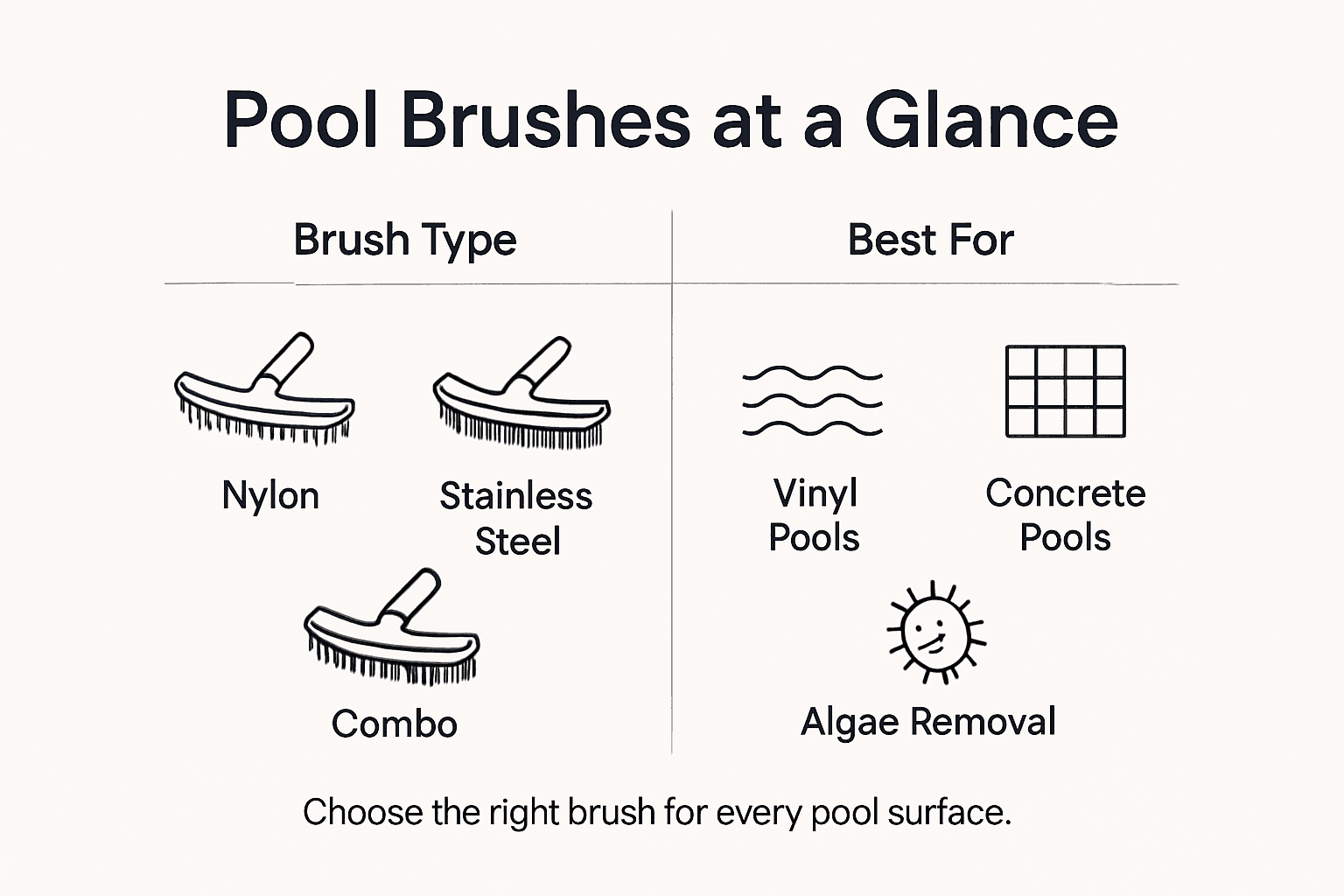
| Types of Pool Brushes | Different brushes (nylon, stainless steel, combination) suit different surfaces, cleaning effectively without harm. Picking the right one protects the surface. |
| Brushing Technique | Consistent technique, starting at the waterline and using overlapping strokes, makes cleaning more effective and leaves fewer gaps. A regular routine is best. |
| Common Mistakes to Avoid | The wrong bristle type, too much pressure and patchy patterns damage surfaces and clean poorly. Awareness and good technique are key. |
What a pool brush does
A pool brush is a cleaning tool made specifically for the surfaces of swimming pools and hot tubs. Unlike a standard cleaning tool, these brushes have sturdy bristles built to lift algae, dirt and mineral deposits from surfaces such as fibreglass, concrete and vinyl liners.
Pool brushes come in different builds, each suited to a particular job. Most have either nylon or stainless steel bristles, which decide the surfaces they suit. Nylon brushes work best on vinyl and fibreglass, cleaning gently but thoroughly without scratching. Stainless steel bristled brushes are more aggressive and better for concrete or plaster pools that can take a firmer scrub.
The basic idea of a pool brush is steady sweeping and scrubbing that loosens built-up debris and prevents staining or surface wear. By working the brush in overlapping strokes across the walls and floor, you break down biofilms, mineral scale and organic matter that would otherwise spoil your tub's cleanliness. Maintenance experts recommend brushing at least twice a week to hold water quality and avoid long-term surface damage.
Pro tip: When brushing your hot tub, start from the waterline downwards and use consistent, slightly overlapping strokes to ensure comprehensive cleaning coverage and prevent missed spots.
Brush types and where they shine
Pool brushes fall into distinct types based on their bristles and the surface they suit. The Health and Safety Executive guidelines recommend choosing brushes that match your surface, so cleaning is effective and you avoid damage.
The main categories of pool brushes are:
- Nylon Brushes: Ideal for delicate surfaces like vinyl and fibreglass linings
- Stainless Steel Brushes: Designed for robust concrete and plaster pool surfaces
- Combination Brushes: Feature mixed bristle types for versatile cleaning
- Aluminium-Backed Brushes: Lightweight and durable for extended pool maintenance
Each type has its place. Nylon brushes clean gently but thoroughly, keeping sensitive surfaces free of scratches. Stainless steel brushes clean harder, lifting stubborn algae and mineral deposits from tougher materials. Combination brushes give you flexibility, letting you handle different cleaning jobs with one tool.
When choosing a brush, think about the surface material, the pool size and your particular cleaning needs. Professionals suggest rotating between brush types for well-rounded upkeep and less surface wear. Regular brushing not only keeps things looking good but also holds back bacteria and extends the life of your pool or hot tub.
Pro tip: Invest in brushes with telescopic handles to reach difficult areas and maintain proper cleaning posture, reducing physical strain during maintenance.
Here is a comparison of common bristle materials and the surfaces they suit:
| Bristle Material | Surface Compatibility | Cleaning Strength | Risk of Surface Damage |
|---|---|---|---|
| Nylon | Vinyl, fibreglass, painted | Gentle but effective | Low risk, very safe |
| Stainless steel | Concrete, plaster, tiled | Highly aggressive | Moderate to high on soft surfaces |
| Combination | Most types, mixed composition | Balanced and adaptable | Low to moderate risk |
The benefits of brushing regularly
Regular brushing is a key part of upkeep with real benefits for hot tub and pool owners. Following Health and Safety Executive guidelines, steady brushing plays a big part in holding water quality, preventing surface wear and keeping the pool hygienic.
The main benefits of regular brushing are:
- Algae Prevention: Disrupts potential algae growth before it becomes established
- Surface Protection: Prevents mineral buildup and potential long-term surface damage
- Chemical Distribution: Helps sanitisers spread more evenly across pool surfaces
- Water Circulation: Improves overall water movement and filtration efficiency
- Aesthetic Maintenance: Keeps pool surfaces looking clean and well-maintained
Brushing does more than keep things looking tidy. By steadily clearing microscopic debris and stopping biofilm forming, you greatly cut the risk of bacteria and the health hazards that come with them. The mechanical action breaks down layers of potential contaminants, making chemical treatments more effective and reducing how much chemical your pool or hot tub needs overall.
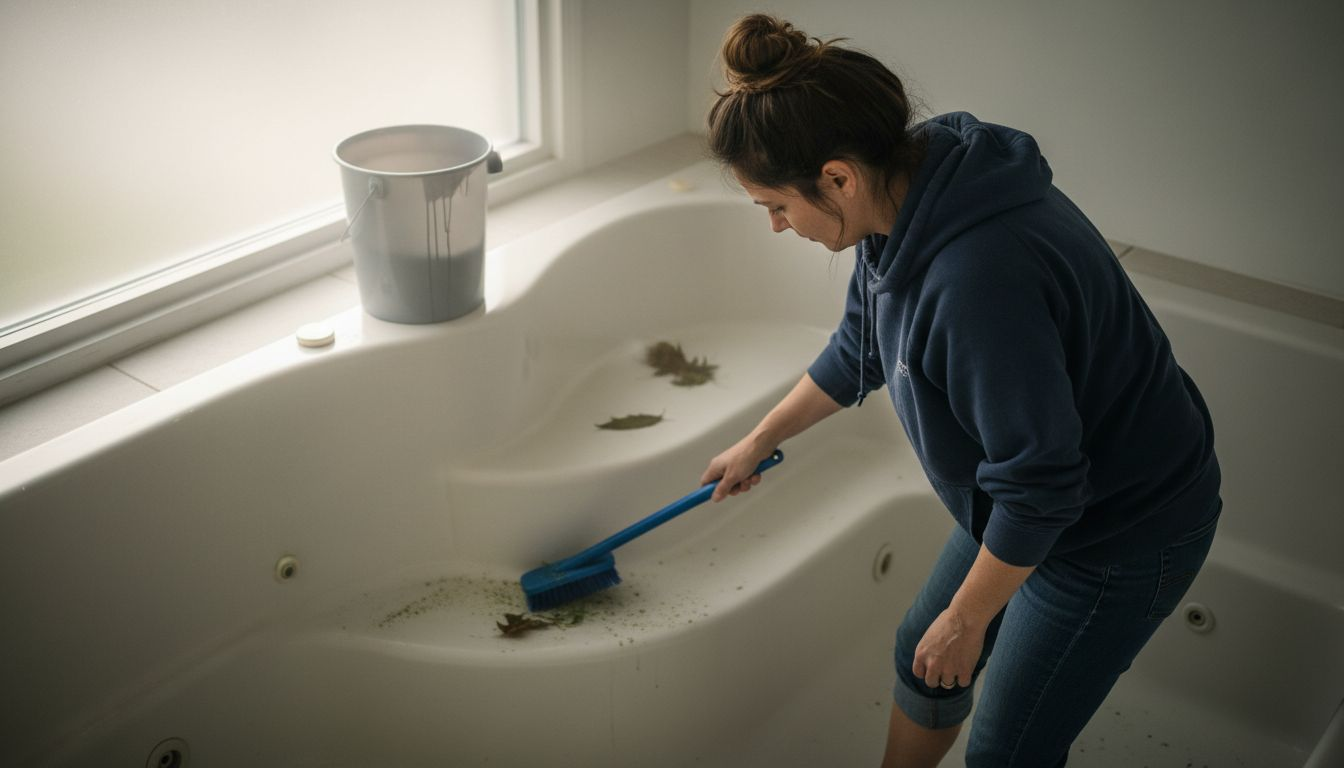
Maintenance experts recommend setting a steady brushing routine, usually 2 to 3 times a week depending on use and conditions. This not only extends the life of your surfaces but also lessens the chance of costly repairs and deep cleans down the line.
Pro tip: Develop a systematic brushing technique by starting at the waterline and working downwards in overlapping strokes, ensuring comprehensive coverage and maximum cleaning efficiency.
Picking and using the right brush
Choosing the right brush is important for protecting your hot tub or pool surface. Health and Safety Executive guidelines on personal protective equipment stress matching the brush to the surface to avoid damage and clean effectively.
Key things to weigh up when choosing a brush include:
- Bristle Material:
- Nylon bristles for delicate surfaces (vinyl, fibreglass)
- Stainless steel bristles for robust surfaces (concrete, tiles)
- Combination bristles for versatile cleaning
- Handle Length: Telescopic handles for reaching difficult areas
- Brush Width: Matching pool surface dimensions
- Mounting Mechanism: Compatibility with existing pool maintenance tools
Experts recommend checking your particular surface before choosing a brush. Soft surfaces like vinyl need gentler brushes with flexible nylon bristles, while concrete and tiled pools can take firmer stainless steel bristles. The brush should clear debris efficiently without scratching the surface or causing needless wear.
How you brush matters as much as which brush you pick. Systematic brushing means working from the waterline down, using overlapping strokes so you cover the whole surface. Always brush in a consistent direction, and give extra attention to corners, steps and spots with less water movement to stop algae and mineral deposits building up.
Pro tip: Invest in a brush with interchangeable heads to adapt to different pool surface types and cleaning requirements without purchasing multiple tools.
Brushing mistakes to avoid
Pool upkeep calls for care and precision, and brushing is no different. According to UK government guidance on maintenance protocols, common brushing mistakes can seriously harm the surface and undercut the cleaning.
The most common brushing errors are:
- Using Incorrect Brush Type:
- Applying stainless steel brushes on delicate vinyl surfaces
- Choosing soft brushes for robust concrete pools
- Failing to match bristle hardness to surface material
- Applying Inappropriate Pressure:
- Scrubbing too aggressively, causing surface scratches
- Using insufficient pressure for thorough cleaning
- Inconsistent Brushing Technique:
- Skipping critical areas like corners and steps
- Brushing in random, unstructured patterns
- Neglecting regular maintenance schedules
Experts stress how much it helps to understand your particular surface. Different materials need different handling, with vinyl asking for gentler technique than concrete or tiled pools. Over-aggressive brushing can cause tiny damage that mounts up over time and leads to costly repairs and a shorter pool life.
Good upkeep is systematic. That means a steady brushing routine that covers every surface methodically, uses the right pressure and matches the brush to your material. Regular inspection and gentle, purposeful cleaning help keep your pool looking good and structurally sound.
Pro tip: Rotate your pool brush periodically and clean its bristles after each use to prevent debris buildup and maintain optimal brushing performance.
Below is a summary of errors to avoid when brushing and what they can lead to:
| Mistake | Why It Happens | Possible Consequence |
|---|---|---|
| Incorrect brush type used | Lack of surface knowledge | Scratched or damaged lining |
| Excessive scrubbing pressure | Rushing or improper technique | Micro-cracks and pool wear |
| Inconsistent brushing pattern | Skipping schedule or corners | Algae build-up, missed debris |
Keep Your Hot Tub Sparkling with Zagosa Spa & Pool
Keeping your hot tub looking and feeling clean starts with the right brush and good technique. This article has flagged the common challenges, choosing the correct bristle type and avoiding damaging pressure - both key to preventing scratches and algae. If getting the brushing right and doing it regularly feels like a lot, remember that pairing good mechanical cleaning with quality water treatment products is the real secret to a truly sparkling tub.

Improve your routine with Zagosa Spa & Pool. As a trusted Zagosa Ltd Brand, we specialise in quality hot tub chemicals and cleaning essentials made to work alongside your brushing. Visit Zagosa Spa & Pool for a well-chosen range of spa essentials that help protect delicate surfaces while keeping water clear and hygienic. Do not wait for costly repairs or dull surfaces - choose the right tools and trusted products today at Zagosa Spa & Pool. Start your journey to easy hot tub care now and enjoy every soak with confidence.
Frequently Asked Questions
What types of pool brushes are there?
Pool brushes come in several types, including nylon brushes for delicate surfaces like vinyl and fibreglass, stainless steel brushes for tougher surfaces like concrete and plaster, combination brushes for versatile cleaning, and aluminium-backed brushes which are lightweight and durable.
How often should I brush?
Brush your hot tub or pool at least 2 to 3 times a week to hold water quality, keep algae at bay and stay hygienic.
What's the best brushing technique?
Start at the waterline and work downwards using consistent, overlapping strokes. This covers the whole surface and stops you missing spots.
What should I avoid when brushing?
Common mistakes include using the wrong brush for your surface, applying too much or too little pressure, and brushing inconsistently so corners and hard-to-reach areas get missed.
Recommended
- Step by Step Hot Tub Cleaning for Spotless Spa Results - Zagosa Spa & Pool
- What Pool Chemicals Do You Need for a Swimming Pool - Here's the top 5 things? - Zagosa Spa & Pool
- Ask An Expert - SPA Pool Maintenance - Zagosa Spa & Pool
- Hot Tub Filter Cleaning Guide for Crystal-Clear Water - Zagosa Spa & Pool
- Custom Pool Builders The Villages FL | R & R Swimming Pools