By The Zagosa Team. Published .
Reviewed or updated .
It surprises a lot of British hot tub owners to hear that more than 60 percent get some skin irritation from traditional chlorine treatments. Relaxing in your spa should not leave you uncomfortable. As more families look for gentler, chlorine-free routes, it helps to know what alternative water treatments can and cannot do. Here is a look at the modern options that cut down on harsh chemicals, protect your well-being and bring the comfort back to your soak.
In This Guide
- What Chlorine-Free Really Means
- The Alternatives For UK Hot Tubs
- How Chlorine-Free Systems Stay Safe
- The Law And Hsg282 Compliance
- Cutting Irritation And Health Worries
- Where Owners Go Wrong Without Chlorine
The Main Points
| Point | Details |
|---|---|
| Chlorine is not the only option | Chlorine is a common sanitiser, but bromine, mineral systems and saltwater systems all offer gentler ways to treat the water. |
| Continuous sanitisation is essential | Hot tubs need ongoing sanitising to stay safe; pairing methods such as UV light and mineral treatments can improve water quality. |
| HSG282 compliance is critical | UK owners must follow Health and Safety Guidelines 282, keeping detailed records and doing regular assessments to manage legionella risk. |
| Regular testing prevents issues | Consistent monitoring of the chemistry is vital for cutting health risks; a quality test kit and a set testing schedule are worth having. |
What chlorine-free really means
To make sense of hot tub water treatment, it helps to know that completely chlorine-free systems are often misunderstood. Many owners go looking for alternatives, but chemical-free hot tub claims can be misleading, because warm water always needs some form of sanitising to stop bacteria growing.
Chlorine is still a standard sanitiser thanks to its strong disinfecting power, but it is not the only choice for UK owners. Alternatives such as bromine, mineral systems and advanced oxidation offer gentler ways to keep water clean. These can reduce your exposure to harsh chemicals while still keeping microbes firmly under control.
The point to grasp is that a hot tub needs continuous sanitising. UV light and ozone systems help cut contaminants, but they do not leave lasting residual protection. Owners need a balanced approach that brings several treatment methods together for safety, comfort and as little chemical irritation as possible.
Pro tip: Consider rotating between multiple sanitisation methods and regularly testing your hot tub water to maintain optimal balance and minimise chemical dependency.
The alternatives for UK hot tubs
For UK owners after gentler water, saltwater systems offer a compelling alternative to traditional chlorine. These systems use electrolysis to make sanitiser from salt, giving a softer feel to the water with far less chemical irritation.
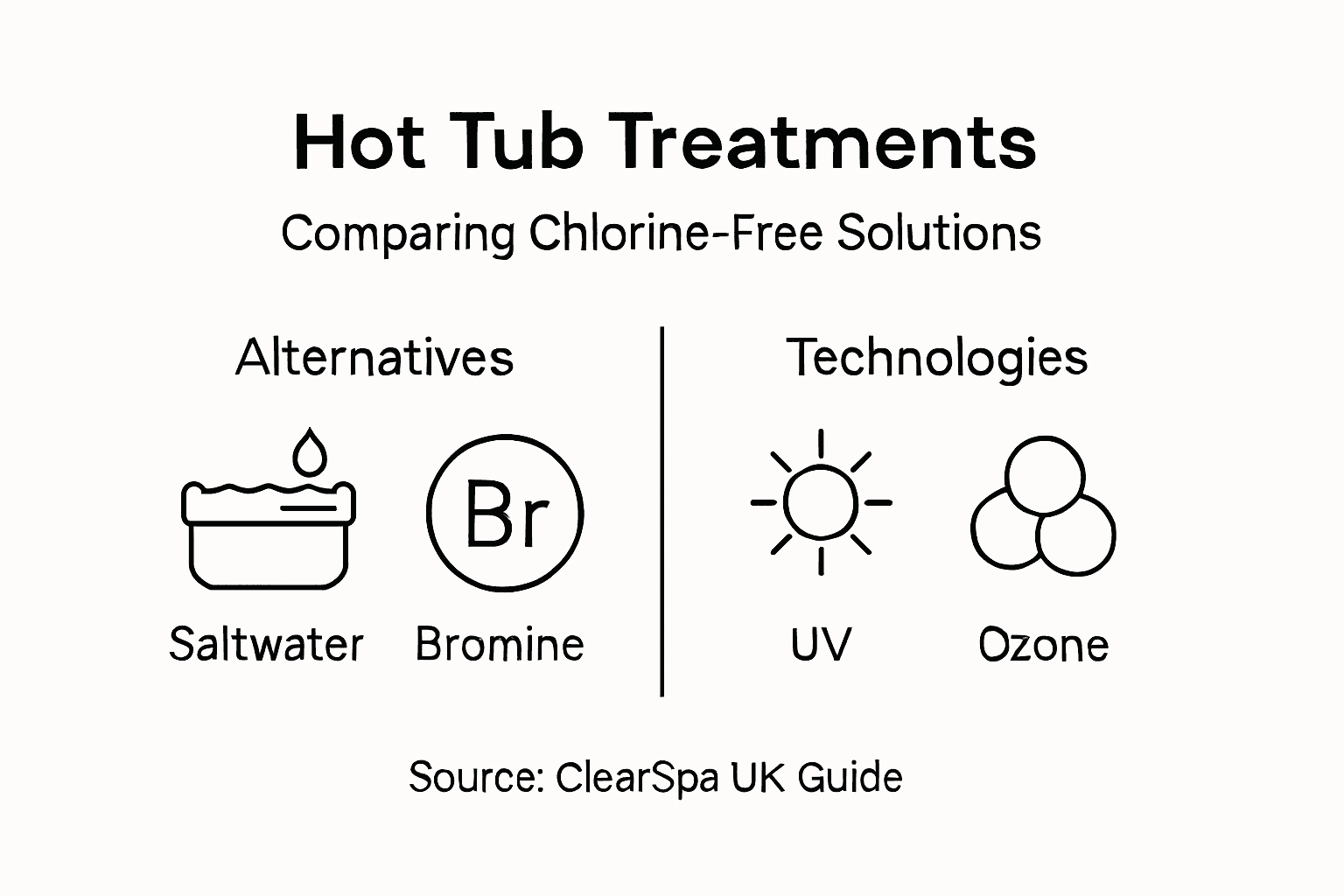
The range of alternatives has grown a lot in recent years. Bromine granules make an effective chlorine substitute, giving excellent bacterial control with less irritation to skin and eyes. Mineral-based systems using silver and copper ions are another clever route, giving continuous purification with very little chemical intervention.
You can also look at advanced oxidation, such as UV and ozone systems. These neutralise contaminants through powerful light or oxygen-based processes, cutting the need for traditional chemical treatments right down. They cannot fully replace sanitising, but they can reduce chemical use substantially and lift overall water quality.
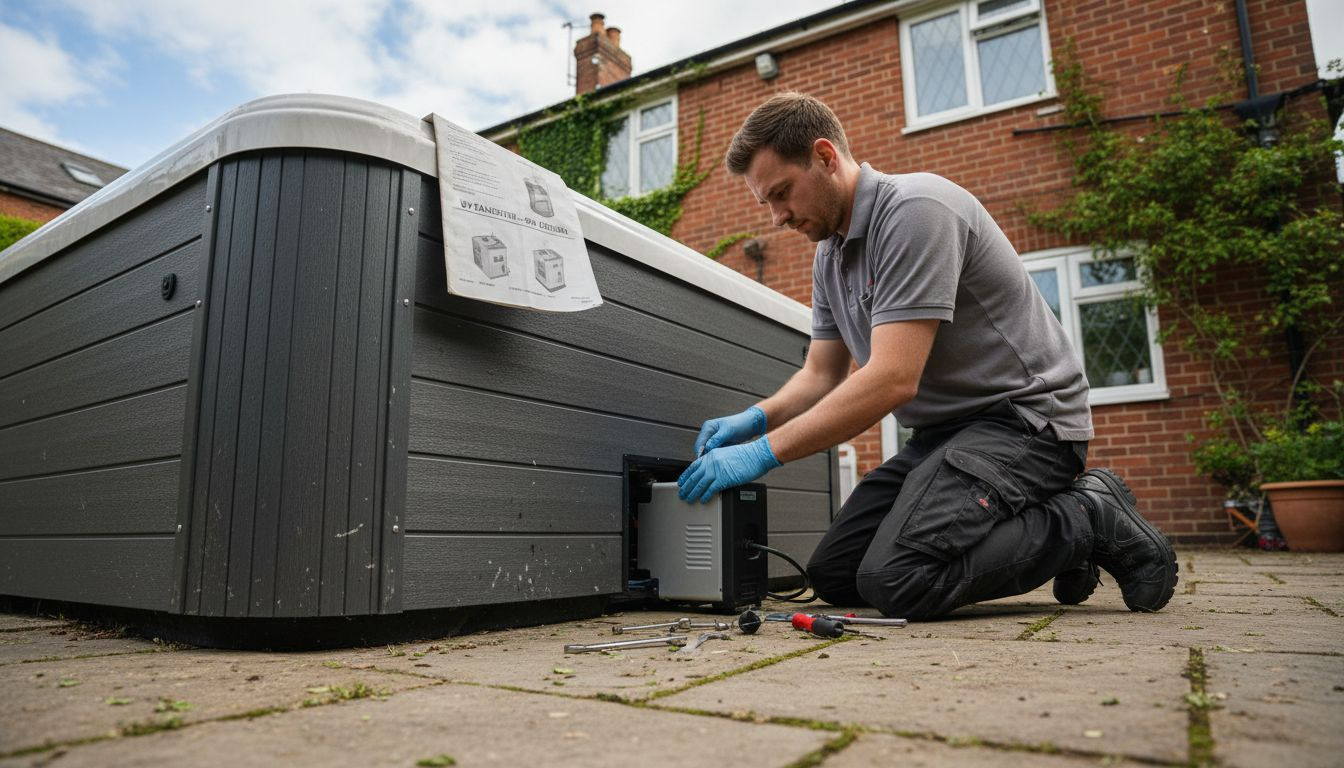
Pro tip: Consider consulting a professional spa technician to design a customised water treatment strategy that balances effectiveness, comfort, and minimal chemical exposure for your specific hot tub setup.
Here is a comparison of popular chlorine alternatives to help owners decide which system suits them:
| Treatment Type | Strengths | Limitations | Best For |
|---|---|---|---|
| Bromine Granules | Effective bacteria control | Can cost more than chlorine | Users with sensitive skin |
| Mineral Systems | Continuous purification | Slow action against heavy loads | Minimal chemical setups |
| Saltwater Systems | Softer water experience | Requires specialist equipment | Reducing irritation |
| UV/Ozone Technologies | Minimal residual chemicals | No lasting protection | Supplementary treatment |
How chlorine-free systems stay safe
Alternative sanitising systems need a thought-out plan to keep the water safe and free of bacteria. Technologies like UV and ozone can oxidise contaminants as the water circulates, but they cannot give continuous protection between soaks.
Residual sanitising is still essential for hygienic water. Bromine and mineral-based systems are gentler than chlorine while giving ongoing microbial control at lower intensity. They work by releasing low levels of sanitising agents that keep neutralising potential pathogens right through the tub's use.
A multi-stage approach is the most effective way to run a chlorine-free tub. By combining oxidation technologies with targeted sanitising, owners get thorough purification. Typically that means several complementary systems working together: UV light for the first cut in contaminants, mineral ionisation for ongoing bacterial control and periodic shock treatments to clear anything left behind.
Pro tip: Invest in a reliable water testing kit to regularly monitor your hot tub's sanitisation levels and adjust your treatment strategy accordingly.
The law and HSG282 compliance
Health and Safety Guidelines 282 (HSG282) is the definitive framework for managing legionella risk in spa and hot tub settings. This guidance sets strict rules for water treatment and stresses how important it is to keep water conditions safe so bacteria cannot spread.
HSG282 sets out several key requirements for hot tub operators. Risk assessment comes first, calling for detailed records of your water management, testing routines and maintenance. Operators need a systematic approach to treatment, including careful monitoring of the chemistry, temperature control and set sanitising procedures.
Under these rules, owners have to show they are actively managing potential health risks. That means writing detailed risk management plans, keeping accurate treatment logs and arranging regular professional water quality assessments. The guidelines make a point of understanding water chemistry, using effective cleaning procedures and keeping full records of everything you do to the water.
Pro tip: Consult a professional legionella risk assessor annually to ensure your hot tub fully complies with HSG282 requirements and maintains the highest standards of water safety.
The table below sums up the essential HSG282 requirements for UK owners:
| Requirement | What It Involves | Impact on Safety |
|---|---|---|
| Risk Assessment | Documenting water strategies | Prevents bacterial risks |
| Record Keeping | Logs of maintenance and tests | Enables traceability |
| Chemical Monitoring | Frequent chemical balancing | Ensures water is sanitised |
| Professional Review | Annual expert assessment | Maintains regulatory adherence |
Cutting irritation and health worries
Proper chemical management is key to reducing skin irritation and the health risks that come with treating hot tub water. Anyone with sensitive skin or a chemical allergy needs carefully balanced water that stays sanitised without causing a reaction.
Non-chlorine oxidation systems are a real step forward for cutting these worries. Mineral-based sanitisers and methods such as silver and copper ionisation give effective bacterial control with very little irritation to skin or breathing. They work through gentler sanitising processes that clear harmful microbes while keeping the water clean and comfortable.
Good water management is about more than picking the right sanitiser. pH balance matters a lot in preventing skin and eye irritation, with the ideal range usually between 7.2 and 7.8. Owners should get a good test kit, keep an eye on the chemistry and adjust treatments to hold a balanced, comfortable environment that reduces health risks and makes the soak more pleasant.
Pro tip: Conduct a patch test with new water treatment systems and monitor your body's reaction, gradually introducing alternative sanitisation methods to identify the most comfortable solution for your skin.
Where owners go wrong without chlorine
Chlorine dioxide treatments can be involved, and many owners make serious mistakes when moving to alternative sanitising. One of the most common is assuming that non-chlorine systems need no upkeep or monitoring, which can quickly let bacteria grow and spoil the water.
Skimping on testing is another big pitfall for UK owners. Methods such as mineral ionisation and UV systems need precise, frequent water quality checks. Many people wrongly think these systems run themselves and skip regular pH checks, mineral concentration readings and general chemistry monitoring.
Leaning too hard on a single method often leads to poor results. Running a chlorine-free tub well takes a layered approach that brings different sanitising technologies together. Owners need to accept that no single system gives complete protection, and rotating between oxidation methods, mineral treatments and periodic shock treatments is essential for thorough hygiene.
Pro tip: Invest in a comprehensive water testing kit specifically designed for alternative sanitisation systems and establish a regular testing schedule to catch potential issues before they become serious problems.
Find Gentler Water Treatment with Zagosa Spa & Pool
Plenty of UK owners find it hard to balance effective sanitising with avoiding harsh chemical irritation. This article has stressed the value of continuous sanitising, proper testing and multi-stage treatment such as mineral systems, UV and ozone. At Zagosa Spa & Pool we understand the wish for safe, comfortable, chlorine-free water, backed by expert water chemistry advice and good products.

Improve your soak with Zagosa's wide range of water treatment products made for gentler sanitising and better water quality. Whether you want mineral-based sanitisers, alternative oxidation treatments or reliable test kits, we have quality options suited to UK homes. Visit Zagosa Spa & Pool today to browse the selection and take charge of your water care with trusted products that support effective bacteria control and user comfort.
Switch to healthier hot tub water now and enjoy every soak with confidence. Browse our range at Zagosa Spa & Pool and start moving towards softer, safer, cleaner water today.
Frequently Asked Questions
What are the alternative sanitising methods?
They include bromine granules, mineral systems, saltwater systems and advanced oxidation technologies such as UV and ozone. Each has its own benefits for treating the water and can reduce chemical irritation.
How do I keep a chlorine-free tub safe?
Use a multi-stage approach that combines oxidation technologies with targeted sanitising. Test the water regularly, use mineral ionisation and run periodic shock treatments for thorough protection against bacteria.
What should I know about a saltwater system?
Bear in mind you will need specialist equipment for the electrolysis. It gives softer water and less chemical irritation, but you still need regular upkeep and to keep an eye on the salt level for effective sanitising.
How does HSG282 affect hot tub owners?
HSG282 compliance is essential for managing legionella risk. It calls for regular risk assessments, detailed records of your water treatment and professional reviews to keep water safety and sanitising to the highest standard.