By The Zagosa Team. Published .
Reviewed or updated .
A soak in the garden hot tub is about far more than winding down after a long day. Plenty of UK owners are curious about what all that warm water is actually doing to their skin. As the heat lifts circulation and eases pores open, the body's own repair machinery gets a helping hand, and that can leave the complexion looking healthier and brighter. The key is pairing those natural upsides with a few sensible habits so your skin stays resilient and glowing after every session.
Table of Contents
- What Warm Water Does To Your Skin
- Soaking And Skin Hydration
- Circulation And A Natural Glow
- How A Soak Stacks Up Against Other Heat
- Soaking Safely For Your Skin
Key Takeaways
| Point | Details |
|---|---|
| Skin Health Dynamics | Hot tub use can enhance skin hydration and radiance through improved circulation and metabolic responses, but prolonged exposure may lead to dehydration. |
| Chemical Interactions | Chemical sanitisers in hot tubs can disrupt the skin’s barrier, necessitating careful management and post-soak moisturisation. |
| Safe Soaking Practices | Limit hot tub sessions to 15-20 minutes and maintain proper water sanitation to prevent skin irritation and promote health. |
| Individual Considerations | Individuals with sensitive skin or pre-existing conditions should consult a healthcare professional before using hot tubs. |
What Warm Water Does To Your Skin
The link between soaking and skin is not a simple one, and it pays to look at it carefully. Skin barrier dynamics largely decide how a warm-water soak affects the body's biggest organ. Hot tub interactions with skin involve several physiological processes that can bring both welcome and trickier results.
Three things do most of the work during a session:
- Elevated water temperature: Increases blood circulation and opens skin pores
- Prolonged water exposure: Can potentially disrupt natural skin moisture balance
- Chemical sanitiser interactions: May impact skin’s protective microbiome
Better circulation is arguably the standout benefit. Warm water widens the blood vessels, so nutrients reach the skin more readily and cellular metabolism picks up. That extra activity supports the skin's natural renewal and can leave you looking fresher.
It is not all one-way, though. Stay in too long and the skin can dry out, especially if the sanitiser levels are not kept in check. Getting the balance right between a relaxing soak and looking after your skin takes a little thought.
Maintaining optimal skin health during hot tub use demands understanding your individual skin’s unique responses and implementing proactive care strategies.
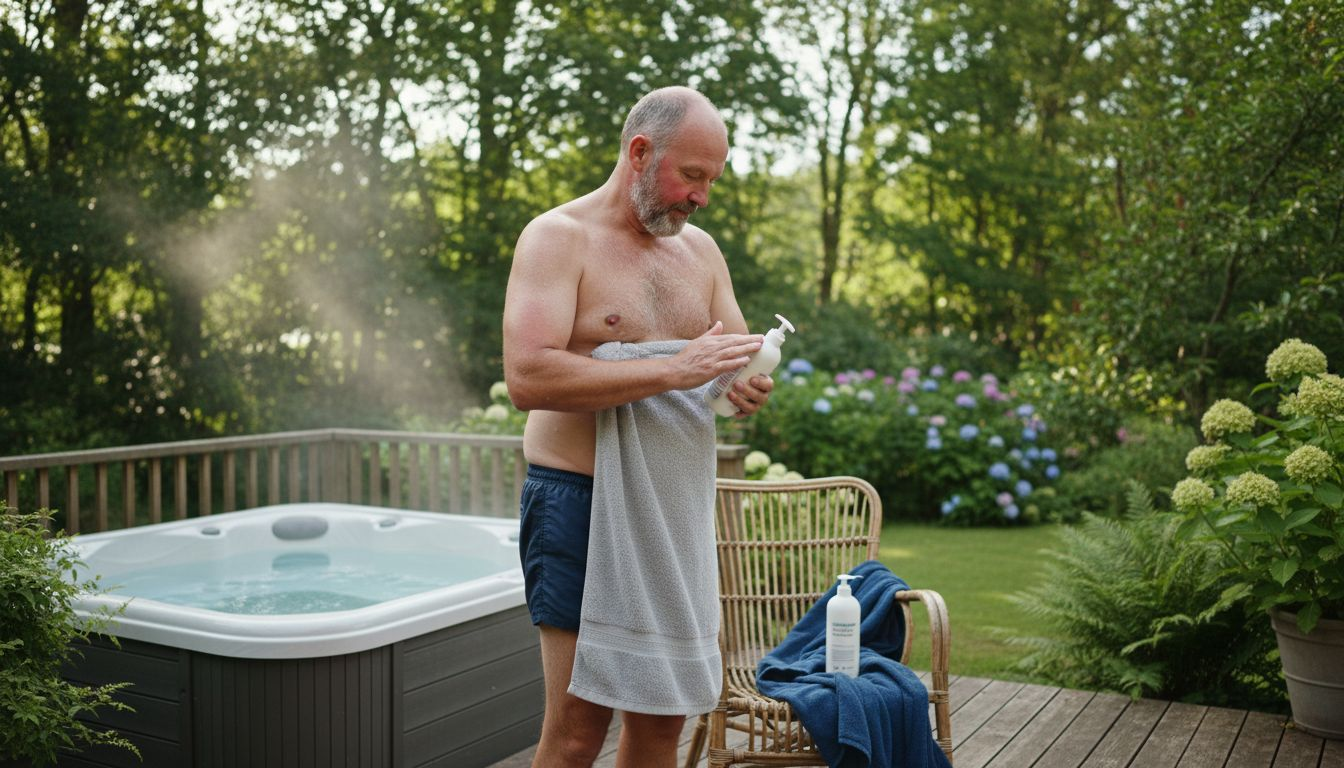
Pro tip: Monitor your skin’s hydration levels by applying a gentle, fragrance-free moisturiser immediately after hot tub sessions to restore the skin’s natural protective barrier.
Soaking And Skin Hydration
There is more to hot tub hydration than simply sitting in water. It is a layered process, with temperature, circulation and moisture absorption all playing off one another, and handled well it can do real good for the skin.
The things that help your skin hold onto moisture during a soak include:
- Improved blood circulation: Stimulates natural skin healing processes
- Pore opening: Allows deeper penetration of moisturising treatments
- Temperature-induced metabolic responses: Supports skin’s natural regeneration
- Increased nutrient delivery: Promotes healthier skin cell function
Warm water helps because it widens the blood vessels and lifts metabolic activity. That means more nutrients reaching your skin cells, which supports moisture retention and repair. The steady heat creates good conditions for renewal, softening the barriers that usually keep moisturisers from sinking in properly.
The caveat is the same as always: stay in too long and you can undo the benefit, losing moisture rather than gaining it. Reading that balance between heat and protection is what gets the most out of a soak.
Optimal skin hydration through hot tub use requires a balanced approach that considers individual skin characteristics and precise exposure duration.
Pro tip: Apply a hydrating, non-comedogenic moisturiser immediately after your hot tub session to lock in the enhanced moisture absorption and support your skin’s natural barrier.
Circulation And A Natural Glow
Where hot tub soaks really earn their keep for skin is the way heat and biology meet. Hot water circulation benefits show how well-judged warmth can set off vascular and skin changes that lift your overall radiance.
The main ways circulation improves are:
- Vasodilation: Expands blood vessels for improved blood flow
- Metabolic acceleration: Increases cellular nutrient exchange
- Thermal stress response: Stimulates natural healing processes
- Toxin elimination: Supports lymphatic system functionality
Look closely at how heat and the body interact and it becomes clear why hot tubs are so good for circulation. Being immersed keeps you warm without the rapid cooling you get out of water, so blood flow stays stimulated. That steady warmth keeps oxygen and nutrients flowing to the skin cells, which is what gives you that healthy, lively look.
The evidence points to hot tubs producing steadier circulatory responses than other heat therapies. Because the water wraps around you, the warmth is even, and the whole vascular system responds rather than just the surface. That means deeper tissue nourishment and more efficient metabolism.
Consistent, moderate hot tub use can transform skin radiance by creating a natural, physiologically-driven rejuvenation mechanism.
Pro tip: Limit hot tub sessions to 15-20 minutes and stay hydrated to maximise circulation benefits and prevent potential thermal stress.
How A Soak Stacks Up Against Other Heat
Compare the various heat therapies and hot tubs make a strong case for skin and body benefits. Comparative heat therapy research shows how a soak tends to out-do traditional heat treatments through steady, whole-body responses.
Where hot tub soaks come out ahead:
- Water immersion: Prevents rapid body cooling
- Sustained temperature: Maintains consistent thermal stimulus
- Full-body engagement: Provides uniform heat distribution
- Reduced thermal stress: Creates more controlled environmental conditions
Where dry saunas and infrared treatments spike and fade, a hot tub raises body temperature more gradually and keeps it there. That gentler, steadier heat allows for deeper responses, and water carries warmth into the body more effectively than dry heat, which supports better skin cell nutrition and metabolic processes.
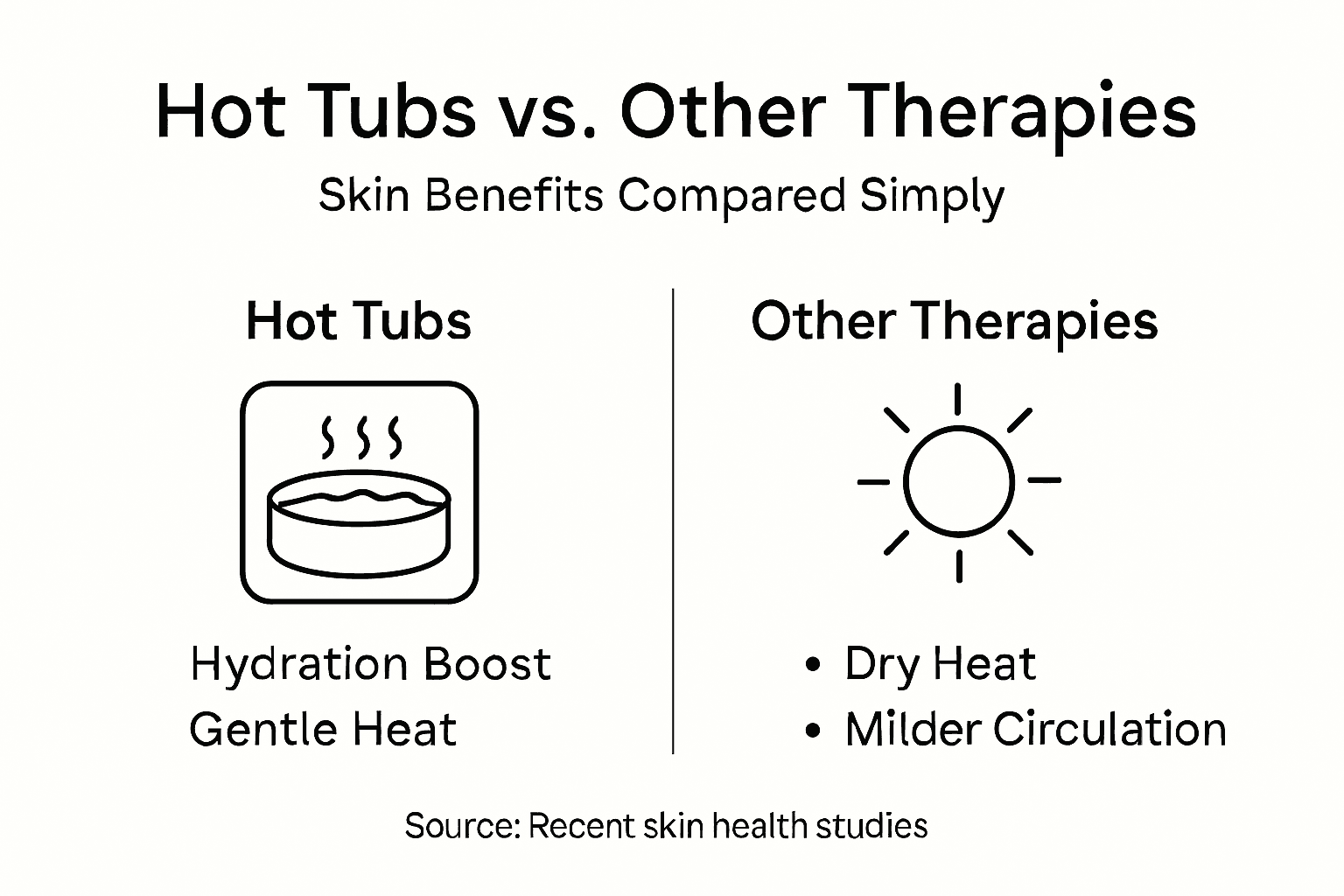
The research suggests hot tubs prompt stronger vascular responses than other heat therapies. Being surrounded by water gives thorough, even warmth, which supports the immune system and helps the body clear out waste. That all-round effect is what sets hot tubs apart for both general wellbeing and skin renewal.
To make the differences between these heat therapies plain, here is a side-by-side look:
| Aspect | Hot Tub Immersion | Dry Sauna | Infrared Sauna |
|---|---|---|---|
| Heat Distribution | Even, surrounds entire body | Primarily air, less even | Direct to tissue, localised |
| Moisture Impact | Promotes hydration but may cause dryness if prolonged | Often dehydrates skin quickly | Lower dehydration risk |
| Circulation Effect | Strong, consistent vasodilation | Rapid initial response, fades faster | Gentle, steady response |
| Skin Benefit Potential | Deep nourishment, enhanced absorption | Surface sweating, may irritate | Mild rejuvenation, subtle effects |
Hot tub therapy represents a more sophisticated, scientifically-validated approach to thermal health compared to traditional heat treatment methods.
Pro tip: Experiment with gradual temperature variations during hot tub sessions to maximise physiological benefits and minimise potential thermal stress.
Soaking Safely For Your Skin
Skin protection deserves a bit of planning when you are enjoying a hot tub. Hot tub bacterial risks are a reminder to understand the possible downsides and put sensible safety habits in place.
The safety points worth holding onto:
- Water sanitation: Maintain proper chemical balance
- Exposure duration: Limit soak time to prevent skin stress
- Hygiene practices: Shower before and after hot tub use
- Skin barrier protection: Apply moisturiser post-soak
- Personal health awareness: Avoid hot tubs with open wounds
Sanitisers such as chlorine and bromine are essential for safe water, yet the same chemicals can be tough on skin. They can strip the skin's natural oils and leave it dry or irritated if levels are not looked after. Finding the middle ground between proper disinfection and kind-to-skin water is the whole game.
If you already have a skin condition, take extra care. Anyone with sensitive skin, eczema or other dermatological concerns should check with a healthcare professional before making hot tub soaks a regular thing. Keeping an eye on how your skin reacts and staying strict about hygiene goes a long way to keeping problems at bay.
For a quick reference on soaking safely, here is a summary of the essentials:
| Safety Focus | Rationale | Best Practice |
|---|---|---|
| Water Sanitation | Prevents skin infections | Monitor chlorine/bromine levels regularly |
| Exposure Duration | Limits risk of dryness | Keep soaks to 15-20 minutes |
| Post-Soak Care | Restores skin barrier | Apply fragrance-free moisturiser |
| Health Screening | Avoids reactions | Assess skin condition before entering |
Responsible hot tub use requires a holistic approach that balances therapeutic benefits with proactive skin protection strategies.
Pro tip: Invest in a high-quality, fragrance-free moisturiser specifically designed for post-hot tub skin recovery to maintain optimal hydration and barrier function.
Elevate Your Hot Tub Experience for Radiant Skin Health
Getting the natural benefits from your hot tub comes down to more than just relaxing in it. A steady, balanced water treatment routine is what protects your skin's hydration and barrier while letting the circulation and renewal do their work. Keep dryness and irritation from chemical imbalances and over-long soaks at bay with products made for spa wellness.
Zagosa Spa & Pool offers a trusted range of premium water treatment products that help you maintain optimal sanitation and skin-friendly conditions. With our carefully formulated hot tub chemicals and spa essentials, you can confidently protect your skin’s natural moisture while enjoying every soak. Find exactly what you need to create a healthy, glowing complexion enhanced by safe and effective spa water care.

Discover the difference that expert water care can make for your hot tub and skin health. Visit Zagosa Spa & Pool today, explore our full selection of hot tub chemicals and spa essentials, and take the first step toward the perfect soak that nurtures your skin as much as your mind.
Frequently Asked Questions
How do hot tubs improve skin health?
Hot tubs enhance skin health primarily through improved blood circulation, which increases nutrient delivery to skin cells and supports natural regenerative processes. The warmth of the water helps to open pores, aiding deeper absorption of moisturisers.
What precautions should I take when using a hot tub for skin care?
To protect your skin, ensure proper water sanitation, limit soak durations to 15-20 minutes, shower before and after use, apply a fragrance-free moisturiser post-soak, and be cautious if you have pre-existing skin conditions.
Can hot tubs lead to skin dehydration?
Yes, prolonged exposure to hot tub water can disrupt the skin’s moisture balance and lead to dehydration, especially if chemical levels are not properly managed. It’s important to monitor soak times and hydrate the skin afterwards.
How does hot tub immersion compare to other heat therapies for skin benefits?
Hot tub immersion provides superior benefits due to even heat distribution, sustained temperature, and natural moisture retention, making it more effective than dry saunas or infrared saunas for skin nourishment and hydration.
Recommended
- Hot Tub Relaxation Benefits: Complete Guide UK - Zagosa Spa & Pool
- Understanding Hot Tub Relaxation: Benefits and Insights - Zagosa Spa & Pool
- Jacuzzi Health - Enhancing Wellness at Home - Zagosa Spa & Pool
- Health Hot Tubs - Benefits and Safe Maintenance - Zagosa Spa & Pool
- Make-up s prirodnim sjajem: kako koristiti skincare kao bazu za šminku - La PIEL